

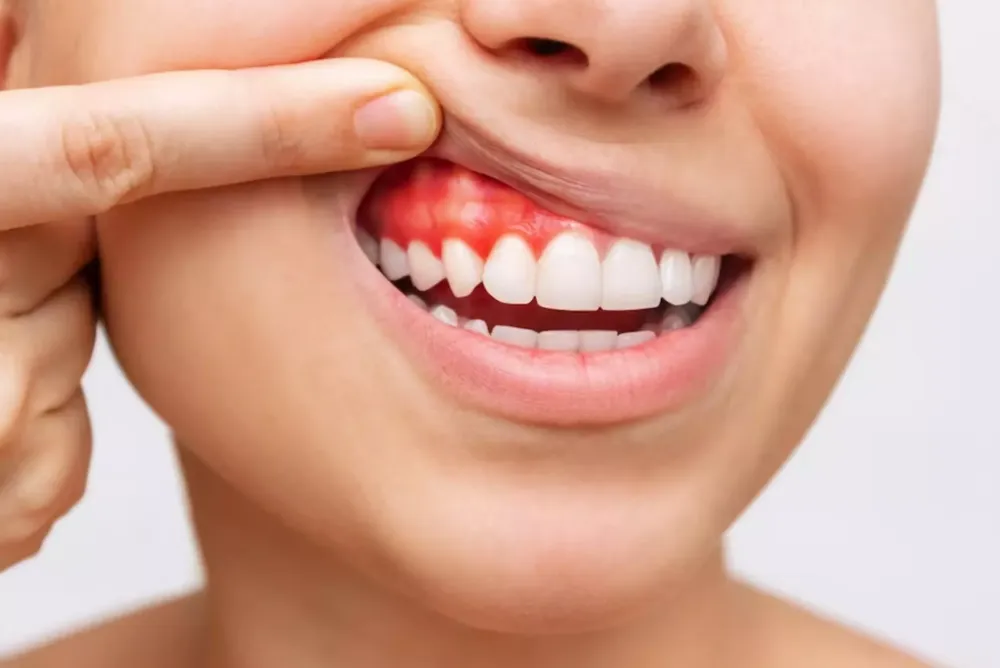
Your gums protect your teeth, your implants, and your health. When they start to fail, you often feel it in small, unsettling ways. Bleeding at the sink. A taste that seems off. A tooth or implant that does not feel steady anymore. You may tell yourself it is nothing. You may wait and hope it clears on its own. That delay can cost you bone, teeth, and money. This guide walks you through five clear signs that you need expert gum care. It explains what your body is trying to tell you and what can happen if you ignore it. It also shows how a periodontist in West Houston can help you keep your smile, control pain, and protect your long term health. You deserve clear answers, fast action, and care that respects your time and fear.
Contents
1. Your gums bleed often
Healthy gums do not bleed. You might see a pink streak in the sink or on your floss. You might taste blood when you chew. You might notice blood on your pillow.
Frequent bleeding often means infection. Plaque hardens on your teeth and under your gums. Your body reacts with swelling and bleeding. If you wait, the infection can reach the bone and the roots of teeth or implants.
The Centers for Disease Control and Prevention explains that almost half of adults over 30 have some form of gum disease.
See a periodontist if you notice any of these three patterns.
- Bleeding that happens more than once a week
- Bleeding that starts with light brushing or gentle flossing
- Bleeding paired with swelling or pain
Quick care can calm infection and protect both natural teeth and implants.
2. Your gums look swollen or have changed color
Gums should look firm and pink. They should hug each tooth and feel smooth. Infection changes that look.
Watch for three common signs.
- Red or dark gums around teeth or implants
- Swelling that makes gums puff up between teeth
- Shiny or sore tissue that hurts when you touch it
These changes often mean your immune system is fighting bacteria. Over time, the tissue that holds teeth and implants can break down. That loss does not grow back on its own.
A periodontist can measure the depth of the pockets around your teeth and implants. Deeper pockets mean more damage. Early treatment can stop the spread and support healing. Very early care might only need a deep cleaning and careful home care.
3. Bad breath or a bad taste that will not go away
Everyone has bad breath after eating strong foods. That clears with brushing or mouthwash. Long-lasting bad breath is different. It often comes from bacteria under the gums.
Signs that smell is linked to gum or implant problems include three patterns.
- Bad breath that returns soon after brushing
- A sour or metallic taste that lingers
- Family members who notice the smell before you do
Infection around implants can also cause a thick discharge. You might see or taste fluid around the implant. That is a warning sign. If you ignore it, the bone around the implant can break down. That loss can cause the implant to fail.
The National Institute of Dental and Craniofacial Research explains how bacteria and inflammation damage gums and bone.
4. Loose teeth or implants that feel “off”
Teeth and implants should feel steady when you bite, chew, or talk. Any change in that feeling is serious. Bone holds both in place. When gum disease or implant infection attacks bone, the support weakens.
Notice these three changes.
- A tooth or implant that moves when you press it
- Spaces between teeth that were not there before
- A change in how your teeth fit together when you close
Loose teeth in children are normal. Loose teeth in adults signal damage. The same is true for implants. An implant that shifts is at risk. You cannot fix this at home. You need a careful exam and imaging to check bone loss.
A periodontist can spot early bone loss and plan treatment. That care can include cleaning under the gums, adjusting bite forces, or surgery to remove infected tissue. In some cases, early care can save a tooth or implant that might otherwise be lost.
5. Pain, gum recession, or sensitivity to hot and cold
Pain is your body’s alarm. You might feel sharp pain when you chew in one spot. You might notice gums that are pulling back from teeth or implants. You might wince when you drink cold water.
Three common warning signs include the following.
- Roots that show near the gumline
- Teeth or implants that hurt when you brush
- Throbbing pain in the gums that comes and goes
Receding gums expose root surfaces. Those surfaces are more sensitive and more at risk for decay. Around implants, recession can expose threads on the implant. That exposure raises the chance of further infection and failure.
A periodontist can treat recession and sensitivity. Treatment options can include deep cleaning, medicated rinses, or gum grafts to cover exposed roots or implant threads.
Comparison of early and late care
| Sign | If you seek early care | If you wait |
|---|---|---|
| Bleeding gums | Deep cleaning. Short healing time. Lower cost. | Advanced gum disease. Bone loss. Higher cost. |
| Swollen or red gums | Infection control. Tissue recovers. | Permanent damage to the support around teeth and implants. |
| Bad breath or taste | Targeted cleaning and home care. Odor clears. | Spread of infection. Social strain. Implant risk. |
| Loose tooth or implant | Chance to stabilize and save support. | Tooth or implant loss. Need for more complex work. |
| Receding gums and pain | Gum grafts or other repair. Less sensitivity. | Ongoing pain. Higher chance of decay and failure. |
When to call a periodontist
If you notice any one of these signs, call. If you notice two or more, treat it as urgent. Early care protects your health, time, and money. It also protects your confidence when you smile, talk, and eat with family.
You do not need a referral in many cases. You can contact a periodontist directly and ask for an exam for gum or implant concerns. Bring a list of your symptoms and when they started. Share any medical conditions, such as diabetes or heart disease. Those conditions link closely with gum health.
Your gums and implants carry you through every meal and every word. Respect the warnings they give you. Quick action today can spare you pain and loss later.