

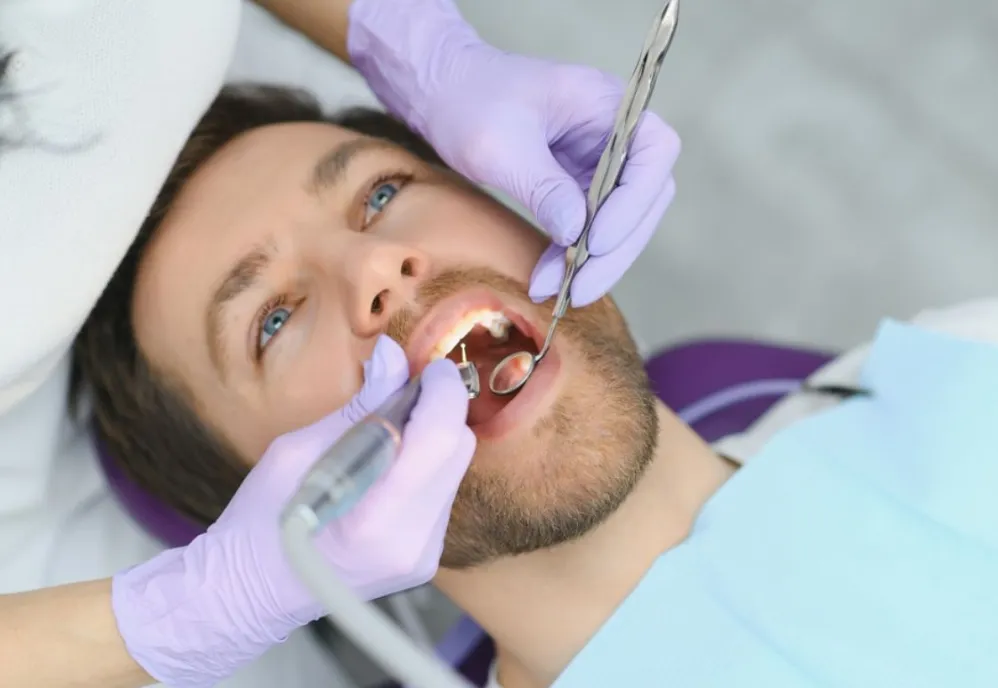
Saving natural teeth feels urgent when your gums hurt, bleed, or pull away. You may fear losing teeth and living with gaps or dentures. A Periodontal specialist in Long Island, NY understands that fear and treats it as a real threat, not a small concern. You learn that gum disease attacks the support around each tooth. You also learn that early action can stop this damage and keep your own teeth strong for years. In this blog, you see five clear ways periodontists protect teeth. You see how they clean deep under the gums, rebuild lost support, reshape infected tissue, guide you through daily care, and work with your general dentist. Each step has one goal. You keep more of your natural teeth, eat with comfort, and smile without worry.
Contents
- 1 1. Deep Cleaning To Remove Hidden Infection
- 2 2. Gum Surgery To Protect Exposed Roots
- 3 3. Bone Support To Hold Teeth Steady
- 4 4. Daily Care Coaching That Actually Fits Your Life
- 5 5. Teamwork With Your General Dentist
- 6 How Periodontal Care Helps You Keep Teeth
- 7 When You Should See A Periodontist
- 8 Taking The Next Step
1. Deep Cleaning To Remove Hidden Infection
Gum disease starts with sticky plaque and hard tartar that sit under the gumline. Toothbrushes and floss cannot always reach these pockets. Infection grows in this hidden space and starts to eat away at the bone.
A periodontist uses deep cleaning to stop that process. The two main steps are:
- Scaling. The specialist removes plaque and tartar from the tooth surface above and below the gumline.
- Root planing. The root surface is smoothed so bacteria have fewer rough spots to cling to.
This cleaning lets your gums tighten around the teeth again. That grip is what keeps teeth in place. Without it, teeth loosen and can fall out or need removal.
The Centers for Disease Control and Prevention explains how common gum disease is and how it links to tooth loss.
2. Gum Surgery To Protect Exposed Roots
When gums pull away, roots become exposed. You may feel sharp pain with cold drinks. You may also notice teeth that look longer. These exposed roots decay faster and can break. That puts the tooth at risk.
Periodontists use several gum surgery methods to cover and protect these roots. Common choices include:
- Gum grafts. The specialist moves gum tissue from another spot to cover the exposed root.
- Tissue repair procedures. The specialist reshapes and secures the gum to close gaps and pockets.
These steps protect the root surface. They also make it easier to clean the tooth. Clean roots and stable gums give each tooth a stronger chance to last.
3. Bone Support To Hold Teeth Steady
Gum disease does not stop at the surface. Over time, it destroys the bone that holds your teeth. When that bone shrinks, teeth start to wobble. Chewing becomes hard. You may avoid some foods. You may also feel embarrassed to smile or laugh.
Periodontists use treatments that help restore or protect bone. These can include:
- Bone grafts. The specialist places bone material where bone has been lost.
- Guided tissue regeneration. A barrier is placed to help bone grow in the right spots.
- Local antibiotics. Medicine is placed in deep pockets to reduce bacteria and help healing.
These steps not only fix damage. They give each tooth a stronger base so it can stay in your mouth. When bone support improves, chewing feels steadier and more reliable.
4. Daily Care Coaching That Actually Fits Your Life
Treatment in the chair is not enough. What you do at home each day decides if your gums heal or decline. Many people feel confused about flossing, brushing, and mouth rinses. Some feel ashamed to ask simple questions.
A periodontist gives clear, direct coaching. You learn:
- How to brush along the gumline without scraping too hard
- How to use floss, picks, or water flossers in tight spots
- Which toothpaste and rinses match your gum condition
The National Institute of Dental and Craniofacial Research offers plain guidance on gum disease and home care. These steps may feel small. Yet they control plaque and cut the risk of new deep pockets. That control helps save teeth that might otherwise fail.
5. Teamwork With Your General Dentist
Saving natural teeth works best when your dental team acts as one unit. Periodontists focus on gums and bone. General dentists handle fillings, crowns, and routine checkups. When they share clear plans, you get stronger results.
This teamwork can include:
- Shared X-rays and gum charts so no detail is missed
- Joint decisions on which teeth can be saved and which cannot
- Timing cleanings, fillings, and gum treatments so healing is smooth
This shared plan cuts confusion. You know which steps come first. You know why each visit matters. You also avoid repeat work, which saves time and strain.
How Periodontal Care Helps You Keep Teeth
The table below shows how common periodontal treatments support natural teeth and daily life.
| Treatment | Main Goal | How It Helps Save Teeth | What You May Notice |
|---|---|---|---|
| Scaling and root planing | Remove plaque and tartar under gums | Stops infection and lets gums tighten around teeth | Less bleeding, less swelling, fresher breath |
| Gum graft surgery | Cover exposed roots | Protects roots from decay and wear | Less sensitivity, teeth look shorter and more even |
| Bone graft and regeneration | Rebuild or protect bone support | Holds loose teeth more firmly in place | Stronger bite, less movement when you chew |
| Local antibiotics in pockets | Reduce deep infection | Cuts bacteria that eat away at bone and gum | Less swelling, easier cleaning at home |
| Ongoing maintenance visits | Keep disease under control | Catches small changes before teeth are at risk | Shorter visits, fewer urgent problems |
When You Should See A Periodontist
You do not need to wait for severe pain. You should book a visit if you notice:
- Gums that bleed when you brush or floss
- Gums that look puffy or dark red
- Teeth that feel loose or have new gaps
- Bad breath that does not clear with brushing
- A change in how your teeth fit when you bite
Early care often means simpler treatment and a lower risk of losing teeth. Quick action also protects your eating, speech, and comfort. That protection reaches into every part of daily life.
Taking The Next Step
Natural teeth help you eat, speak, and smile with ease. Gum disease tries to steal that. A periodontist uses clear methods to fight back. Deep cleaning, gum repair, bone support, daily care coaching, and tight teamwork with your dentist all work toward one result. You keep more of your own teeth for more years.
If you see signs of gum trouble, do not wait. Reach out, ask direct questions, and insist on a plan that focuses on saving teeth whenever possible. Your mouth, your body, and your sense of self all gain from that choice.