

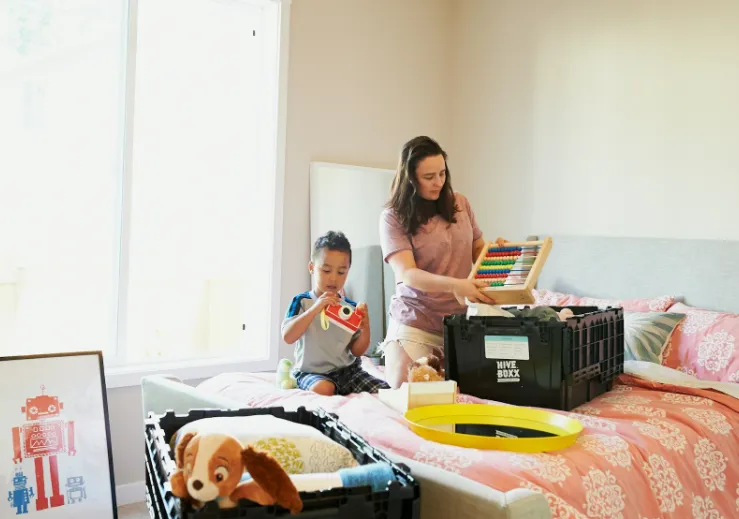
Moving to a new home can be a major shift for kids. The unfamiliar layout, new surroundings, and sudden disruption in their routine can feel overwhelming. While adults may be focused on logistics, kids are often craving comfort and consistency.
Creating a safe, predictable environment can go a long way in easing the transition. Setting up their favorite items like stuffed animals, books, and even sleepover beds can bring a sense of normalcy to an otherwise unfamiliar space. With a little planning and patience, it’s possible to help kids feel at home in their new environment more quickly than expected.
Contents
1. Let Kids Help Unpack and Personalize Their Room
Giving children some control over their new space can help them feel grounded. Letting them decide where to put their toys, how to arrange their shelves, or what color blanket goes on the bed makes the space feel more personal and less like someone else’s idea of home. Even small choices can create a sense of comfort.
When kids feel ownership over their room, they’re more likely to feel relaxed and secure. It shows that their voice matters and that their comfort is a priority. Taking the time to set up their space together also helps build excitement and gives them a clear, positive role in the moving process.
2. Stick to Familiar Routines
Structure helps kids feel safe, especially when everything else is changing. Keeping daily routines like bedtime, snack time, or story time the same as before can ease the stress of adjusting to a new home. These familiar patterns offer reassurance in a new environment.
Even if the space is different, the predictability of their day can create a sense of normalcy. It reminds them that while their surroundings have changed, the way their family functions hasn’t. This stability is especially important in the first few weeks, when emotions might be high and energy might be low. Routines give kids something to count on.
3. Explore the Neighborhood Together
Helping kids become familiar with their new surroundings can make the change feel less intimidating. Taking daily walks, checking out local playgrounds, and pointing out places like the grocery store or library can give them a mental map of their new world.
Doing this together gives kids the chance to ask questions and feel supported. They may be nervous about leaving behind their old neighborhood, but exploring as a family can build confidence. Small discoveries can create positive associations with the new place.
4. Talk Openly About the Move
Kids often pick up on stress or tension, even if they don’t fully understand the situation. Encouraging them to talk about the move (what they miss, what they’re unsure about, or what they’re excited for) can help them feel heard and supported.
Not every child will open up right away, but keeping the door open for conversation matters. It’s okay if their emotions are mixed. Allowing them to express sadness or confusion without rushing to fix it can build trust. Reassure them that it’s normal to have big feelings after a big change. The goal is to make space for those emotions without judgment.
5. Create Opportunities for Connection
New schools, new neighbors, and new routines can leave kids feeling a little isolated. Finding ways for them to connect with others can help ease that loneliness. Social connection is an important part of adjusting emotionally. It doesn’t have to happen right away, but planting the seeds early can help kids feel less like outsiders.
One familiar face at school or in the neighborhood can make a huge difference. Focus on low-pressure opportunities where your child can engage at their own pace, and let relationships grow naturally over time.
6. Keep Expectations Realistic
Every child adjusts differently. Some may settle in within days, while others may need more time. It’s important to remember that frustration, clinginess, or even sleep disruptions are all common during big transitions.
Staying patient and consistent is key. Keep checking in and offering reassurance, even when things feel slow to improve. Allow space for a range of emotions, and celebrate the small signs of progress. With continued support, most kids will find their footing and start to feel like the new house really is home.
Helping Kids Settle In, One Step at a Time
Adjusting to a new home takes time, patience, and a little planning, but it’s entirely doable. Families can ease the emotional transition by keeping routines steady, involving kids in setting up their space, encouraging open conversations, and helping them connect with others.
The more stable and supported they feel, the more confident they’ll become in their new space. With the right tools and understanding, a fresh start can feel less like a disruption and more like an opportunity.