

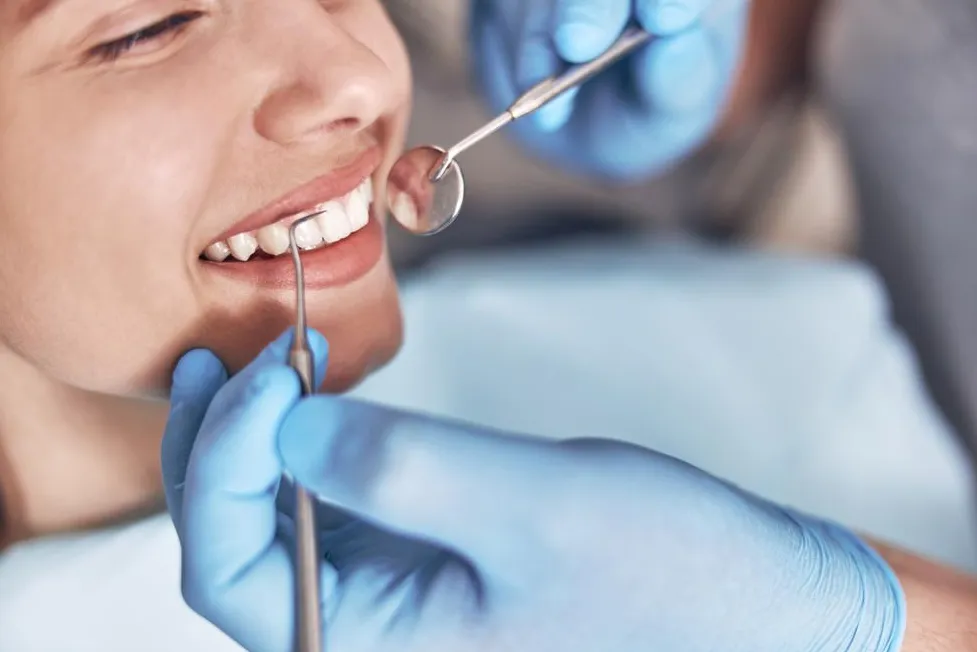
Your smile depends on small daily choices and the tools your dentist uses to protect it. Every visit gives your dentist a clear view of what your teeth and gums need. Simple tools help find early signs of decay, quiet pain, and prevent infection before it spreads. Some tools are clean. Others measure. A few support treatment, including root canal treatment in Brookhaven, GA when decay reaches deep inside a tooth. Each tool has a clear purpose. You feel the results when you chew, speak, and smile without fear. This blog explains six common tools your general dentist relies on at every visit. You will see how each one protects your teeth, supports early treatment, and helps avoid costlier care later. With this knowledge, you can walk into your next appointment calm, informed, and ready to ask clear questions about your own care.
Contents
1. Mouth mirror
The mouth mirror is the small, round mirror you see near your cheek. It looks simple. It carries sharp power.
Your dentist uses it to:
- See the back sides of teeth
- Check the roof and floor of your mouth
- Watch how your teeth fit together when you bite
This tool helps find decay and cracks that you cannot see in your bathroom mirror. It also lets your dentist move your tongue and cheek with care, so soft tissue stays safe during care.
2. Explorer and probe
The explorer and the probe are thin metal tools that test teeth and gums. They can look sharp. Their use is careful and planned.
The explorer helps your dentist:
- Feel for soft spots that may mean decay
- Check old fillings and crowns for gaps
- Find small chips that might break more
The probe measures gum health. It has small marks that show depth in millimeters. Your dentist slides it along the gum line to measure pockets. Shallow pockets often mean healthy gums. Deep pockets can mean gum disease.
3. Suction and air water syringe
Suction and the air-water syringe keep your mouth clear while your dentist works. They protect your comfort and your safety.
Suction tools:
- Remove saliva so your dentist can see
- Reduce your risk of swallowing debris
- Help keep the work area dry for fillings and sealants
The air water syringe:
- Rinses away paste, blood, and plaque
- Dries teeth so cracks and stains show more clearly
- Cools teeth during some treatments
A dry clean surface leads to stronger bonds for fillings and sealants. That support helps them last longer and cuts your chance of return visits for repairs.
4. Dental scaler and curettes
Scalers and curettes remove plaque and tartar. Plaque is a soft film of germs. Tartar is hardened plaque that sticks to teeth like cement.
Your toothbrush clears plaque on smooth surfaces. It cannot break tartar. Scalers and curettes reach:
- Along the gum line where tartar likes to grow
- Between teeth where floss may miss
- Below the gum in early gum disease
The Centers for Disease Control and Prevention reports that gum disease is common in adults. Regular cleaning with these tools lowers swelling and bleeding. It also lowers the risk of loose teeth later in life.
5. Polishing handpiece and paste
After scaling, your teeth may feel rough. The polishing handpiece smooths each surface. It uses a soft rubber cup and a gritty paste.
This tool:
- Removes surface stains from coffee, tea, and tobacco
- Smooths tiny grooves where germs can hide
- Leaves teeth easier to clean at home
Children often enjoy this part of the visit. The paste can have simple flavors. The smooth, clean feeling sends a clear message. Daily brushing and flossing are working.
6. X ray systems
X-rays show what eyes cannot see. They reveal the roots of your teeth, the bone that supports them, and the spaces between teeth.
Your dentist uses X-rays to:
- Find decay between teeth
- Check bone loss from gum disease
- Plan crowns, implants, and root canal work
Modern digital X-rays use low radiation. Dentists follow safety rules that include lead aprons and neck shields. These steps follow guidance from public health experts who watch radiation exposure for children and adults.
How these tools work together
Each tool supports the others. Together, they create three main protections.
- Finding problems early
- Stopping pain and infection
- Keeping repair work strong for years
The table below shows how often many people need each tool at routine visits. It also shows whether you feel it more or see it more.
| Tool | Main purpose | Typical use at checkup | What you mostly notice |
|---|---|---|---|
| Mouth mirror | View all tooth surfaces | Every visit | Light pressure on cheek or tongue |
| Explorer and probe | Check decay and gum depth | Every visit for most adults | Short taps and gentle sliding near gums |
| Suction and air water | Keep mouth clear and dry | Every cleaning and most treatments | Pull of suction and short bursts of air or water |
| Scaler and curette | Remove plaque and tartar | Every cleaning | Scraping sounds and firm pressure |
| Polishing handpiece | Smooth and shine teeth | Most cleanings | Tickling motion and paste flavor |
| X ray system | View roots and bone | Every 1 to 2 years for many patients | Sensor in mouth and brief buzzing |
How you can support these tools at home
You play a strong role in how well these tools work. Three steps matter most.
- Brush two times each day with fluoride toothpaste
- Floss once each day to clean between teeth
- Keep regular checkups even when nothing hurts
When you keep these habits, your visits stay shorter. Your dentist can use these tools for prevention instead of repair. That protects your time, your money, and your peace of mind.