

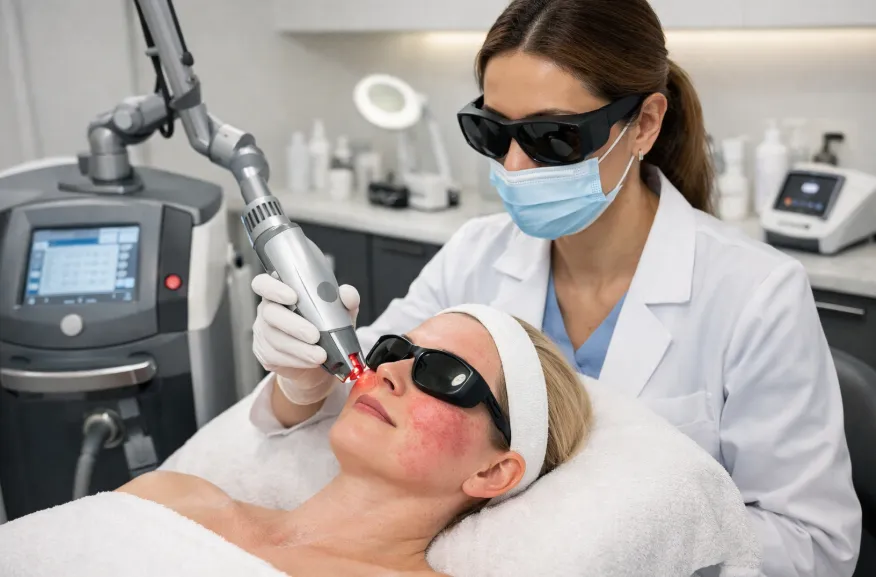
Laser treatments can refresh your skin, but the redness afterward can feel shocking. Your face may sting, look swollen, and draw unwanted attention. You might worry that something went wrong. That reaction is common. Your skin is trying to heal. You can guide that healing and calm the flush. Simple steps at home protect your skin and shorten recovery. You do not need expensive products. You need clear instructions and steady care. This guide from a medical spa in Highland, New York explains six practical ways to cut redness, protect your skin barrier, and reduce the risk of marks. You will learn what to apply, what to avoid, and when to call your provider. You will see how small choices in the first 48 hours shape your results. You deserve clear skin and peace of mind after treatment.
Contents
- 1 1. Cool your skin the safe way
- 2 2. Use gentle, scent-free products only
- 3 3. Protect your skin from the sun
- 4 4. Keep your hands off your face
- 5 5. Stay cool inside and out
- 6 6. Follow your provider’s instructions and watch for warning signs
- 7 Typical redness timeline after laser treatment
- 8 When to ask more questions
1. Cool your skin the safe way
Cold eases heat and redness. It also lowers swelling. Use it with care so you do not burn your skin.
- Place cool gel packs or a clean wet washcloth in the fridge
- Apply for 5 to 10 minutes at a time
- Rest at least 10 minutes between each use
Do not use ice directly on your skin. Wrap any cold pack in a clean cloth. Keep the surface clean to avoid germs on fresh skin.
2. Use gentle, scent-free products only
Your skin after laser treatment acts like skin after a strong sunburn. It needs calm care.
- Wash with a mild, scent-free cleanser
- Pat dry with a soft towel
- Apply a simple moisturizer with few ingredients
Avoid scrubs, toners, retinoids, acids, and strong creams. These can sting and drag out redness. The U.S. Food and Drug Administration notes that gentle skin care after laser use lowers the chance of lasting marks.
3. Protect your skin from the sun
Freshly treated skin burns faster. Even short sun time can deepen redness and cause dark spots.
- Stay indoors or in the shade during peak sun hours
- Wear a wide-brimmed hat and loose clothing over treated skin
- Use mineral sunscreen with zinc oxide or titanium dioxide once your provider says it is safe
First, focus on clothing and shade. Then add sunscreen when your skin can handle it. The American Cancer Society explains that sun safety helps prevent burns and skin changes.
4. Keep your hands off your face
Touching your skin can feel tempting. You might want to scratch, rub, or pick at flaking spots. That habit can increase redness and cause scars.
- Avoid scratching or rubbing treated spots
- Do not pick at scabs or peeling skin
- Change pillowcases and face towels often
Each touch adds germs and pressure. That pressure breaks tiny blood vessels and keeps your face red. Clean fabrics lower the risk of infection.
5. Stay cool inside and out
Heat opens blood vessels and can keep your face flushed. You can lower redness by keeping your whole body cool.
- Avoid hot showers and baths
- Skip saunas, hot tubs, and steam rooms
- Hold off on intense workouts that cause heavy sweat
Choose short, lukewarm showers. Rest from heavy exercise for a few days. You can walk or stretch instead. This gives your skin time to calm.
6. Follow your provider’s instructions and watch for warning signs
Your provider knows the settings used on your skin and your health history. That guidance matters.
- Read the aftercare sheet before you leave the office
- Set reminders for any creams or medicine
- Take photos of your skin each day to track changes
Call your provider right away if you notice:
- Redness that gets worse after day two
- Blisters, pus, or yellow crusts
- Fever or chills
- Severe pain that does not ease with approved medicine
These signs can mean infection or a strong reaction. Quick care can protect your skin and your health.
Typical redness timeline after laser treatment
Everyone heals at a different pace. Still, many people follow a pattern. Use this table as a guide. Your provider’s advice always comes first.
| Time after treatment | What you may see | Helpful steps |
|---|---|---|
| First 2 hours | Strong redness and warmth | Cool compresses, gentle cleanser, no makeup |
| First 24 hours | Redness, mild swelling, tight feeling | Moisturizer, cool packs, rest, avoid heat |
| Days 2 to 3 | Red or pink tone, less swelling | Gentle wash, moisturizer, strict sun protection |
| Days 4 to 7 | Fading redness, light flaking or peeling | No picking, keep skin hydrated, short cool showers |
| Week 2 and beyond | Mild pink in some spots or clear tone | Follow the provider on when to restart regular products |
When to ask more questions
You have the right to clear answers about your skin. Before any new laser session, ask your provider to explain:
- What kind of redness to expect
- How long it should last
- Exact products to use and avoid
Write these steps down. Keep them in your bathroom so you can see them when you care for your skin. Steady, simple care reduces redness and helps you enjoy the results of your treatment with less worry.