

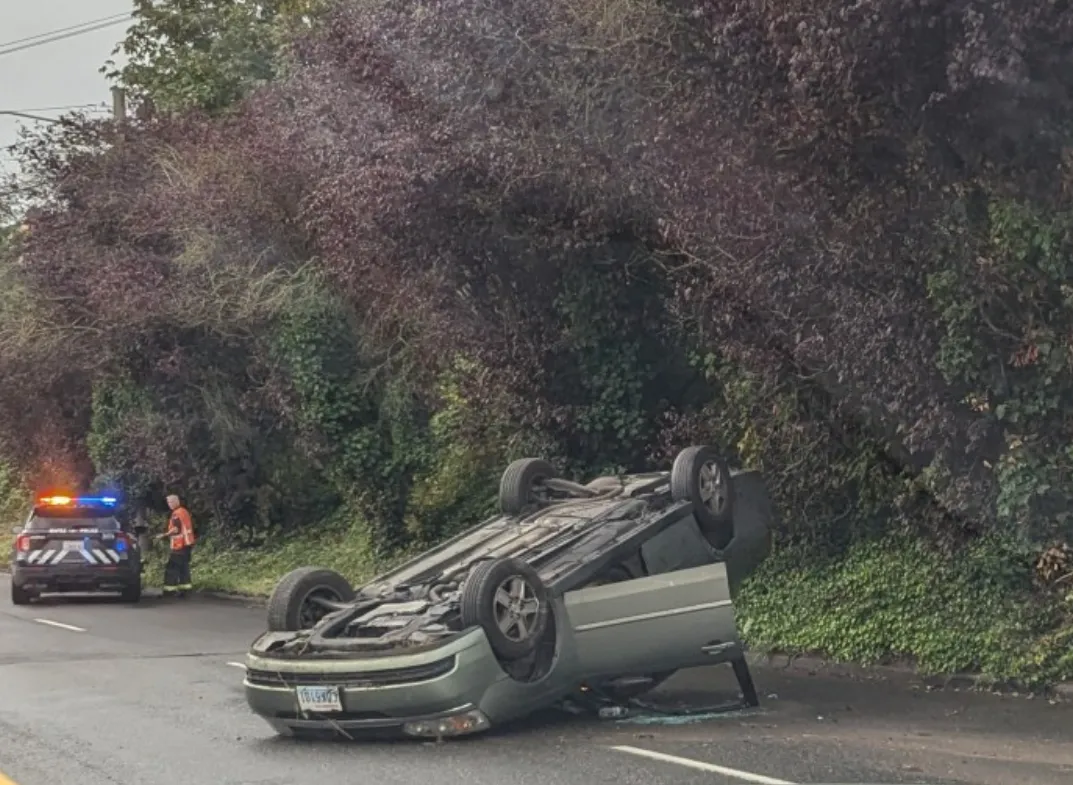
Experiencing a Monmouth County car accident can feel overwhelming. However, knowing what steps to take can ease your stress and keep you safe. First, ensure you and others are out of harm’s way. Move to a safe location if possible. Next, call the authorities. Reporting the crash helps create an official record. Then, exchange contact and insurance details with the other driver. This information is crucial for any future claims. Document the scene with photos. Capture damages, road conditions, and any visible injuries. These images offer valuable evidence. Seek medical attention promptly. Hidden injuries may arise later, making early treatment important. Notify your insurance provider. Quick reporting can simplify the claims process. Keep track of expenses related to the accident. These records support reimbursement requests. Finally, consider consulting an attorney. Expert guidance can help you understand your rights and options. Remember, you’re not alone in this process.
Contents
1. Assess Safety
Your first priority is safety. Check yourself and passengers for injuries. If anyone is hurt, call 911 immediately. If it’s safe, move vehicles to the shoulder. Keeping the road clear reduces additional risks. Turn on hazard lights to alert other drivers.
2. Call Law Enforcement
Involve the police even if the accident seems minor. An official report helps with insurance and potential legal issues. Officers will document the incident and gather statements. This report becomes a crucial component of your case.
3. Exchange Information
Share your name, contact details, and insurance information with the other driver. Collect the same from them. Avoid discussing fault or responsibility at the scene. Keep the conversation limited to the facts.
4. Document the Scene
Use your phone to take photos of the scene. Include vehicle positions, damage, road signs, and skid marks. A visual record supports your account and aids in insurance claims.
| Photo Checklist | Details |
|---|---|
| Vehicles | All angles and license plates |
| Injuries | Visible wounds or bruises |
| Environment | Weather, road conditions |
5. Seek Medical Attention
Don’t assume you’re uninjured. Some conditions manifest hours or days later. A medical evaluation can catch and document these early. Your health is a priority, and medical records support any injury claims.
6. Report to Insurance
Contact your insurance company promptly. Provide them with the details and any documentation you have collected. Timely reporting can streamline the claims process.
7. Track Expenses
Keep records of all accident-related expenses. This includes medical bills, repair costs, and any other related outlays. Detailed records support your reimbursement claims.
8. Understand Your Rights
Consult with an attorney to clarify your rights and options. Professional legal advice can be invaluable. For more information, visit the National Highway Traffic Safety Administration for resources and support.
9. Stay Informed
Learn about traffic laws and safety measures. Awareness reduces future risks. The New Jersey Division of Highway Traffic Safety offers useful guidance and updates.
Following these steps can help navigate the aftermath of a Monmouth County car accident. Taking action ensures safety and protects your rights. Remember, you’re equipped to manage this situation with care and confidence.