

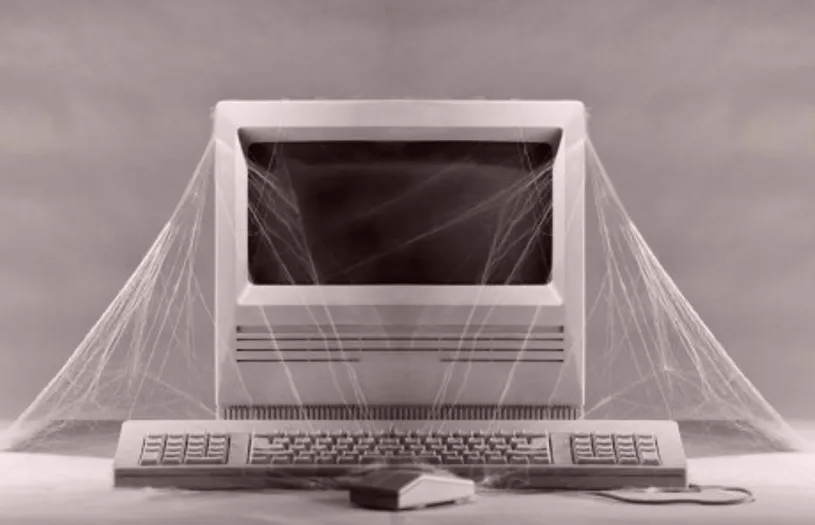
In today’s digital economy, IT hardware plays a central role in business continuity, security, and productivity. But the journey of an IT asset does not end when it arrives at your workplace. From procurement to retirement, each phase of the IT lifecycle comes with unique challenges and opportunities. Effective IT Lifecycle Management (ITLM) allows organizations to maximize the value of their technology investments while maintaining control, security, and sustainability. By optimizing each stage of this journey, businesses can reduce costs, extend hardware life, and meet increasingly strict compliance and environmental expectations.
Procurement: Making Smarter Technology Choices from the Start
Every successful IT lifecycle begins with procurement. Choosing the right devices and suppliers sets the tone for long-term performance and cost-efficiency. Smart procurement strategies involve looking beyond just initial price tags. Companies are increasingly evaluating devices based on total cost of ownership, energy efficiency, upgradability, and vendor sustainability practices. Investing in scalable and serviceable hardware can make future maintenance easier and reduce early replacements.
Working with a reliable technology partner can also streamline this process. They can provide insights into compatibility, performance benchmarks, and lifecycle projections that align with your IT roadmap. Long-term relationships with hardware providers can ensure more predictable pricing, better service-level agreements, and reduced lead times for replacement parts.
Deployment: Smooth Setup with Minimal Downtime
Once hardware arrives, the deployment stage ensures a seamless transition into the production environment. This includes imaging devices, installing required software, configuring settings, and delivering the equipment to end users. Poor planning at this stage can result in delays, loss of productivity, and increased help desk requests.
Standardizing deployment processes improves consistency and efficiency. IT departments benefit from having checklists, automation tools, and well-defined policies that reduce errors and ensure every asset is properly documented. Asset tagging, user assignment, and baseline configuration should be handled with care to support tracking and future maintenance.
Maintenance and Support: Keeping Systems Running at Their Best
Over time, devices require maintenance to perform optimally. Whether it is routine updates, hardware repairs, or software upgrades, proper support ensures minimal disruptions to business operations. Organizations that lack a structured maintenance plan often face unnecessary downtime and rising support costs.
Proactive maintenance, including scheduled checkups and remote diagnostics, helps detect issues before they escalate. Centralized device management tools allow IT teams to monitor health, performance, and security across the environment. Well-documented support procedures also ensure a consistent experience for end users and help avoid operational surprises.
Asset Optimization: Getting the Most from Your Devices
IT Lifecycle Management is not just about keeping devices running. It is about getting maximum value from every piece of equipment. Performance monitoring tools can identify underused or overburdened devices, allowing businesses to reallocate resources more effectively. In some cases, upgrades such as additional RAM or SSDs can extend the useful life of a device at a fraction of the cost of replacement.
Optimizing asset usage can lead to better budgeting decisions and improved return on investment. Lifecycle data helps IT leaders decide when to repair, repurpose, or retire hardware, ensuring no asset is wasted or kept longer than it should be.
End of Life: Responsible Retirement and Data Security
Eventually, every device reaches the end of its useful life. How an organization handles this phase speaks volumes about its risk management and sustainability policies. End-of-life management should begin with secure decommissioning. Devices must be cleaned of sensitive data using certified methods such as Secure data erasure, which guarantees that all information is permanently and irreversibly removed.
Beyond security, companies must also consider environmental responsibility. Devices that can no longer be used should be either refurbished or properly recycled through certified programs. Partnering with providers like the Circular IT group ensures compliance with legal and environmental standards while giving hardware a second life wherever possible.
Reporting and Documentation: Proving Compliance and Value
A strong ITLM program includes thorough documentation at every phase. From procurement records and deployment logs to maintenance history and disposal certificates, proper documentation protects businesses during audits, legal inquiries, and internal reviews. For example, proof of data erasure and proper recycling can demonstrate compliance with GDPR and other privacy laws.
IT managers can also use lifecycle data to report on IT performance, cost savings, environmental impact, and more. These insights help organizations make informed decisions and show stakeholders that IT is managed strategically and responsibly.
IT Lifecycle Management as a Strategic Asset
IT Lifecycle Management is not just a behind-the-scenes process. It is a strategic function that influences costs, risk, performance, and sustainability across the organization. By taking control of the full journey — from acquisition to retirement — businesses can future-proof their IT infrastructure, comply with regulations, reduce e-waste, and protect their most valuable asset: data.
Incorporating expert partners like the Circular IT group into your lifecycle strategy ensures each phase is handled with precision and purpose. Whether it is planning for secure deployment, performing Secure data erasure, or responsibly retiring assets, a lifecycle-first approach allows businesses to turn technology management into a competitive advantage.