

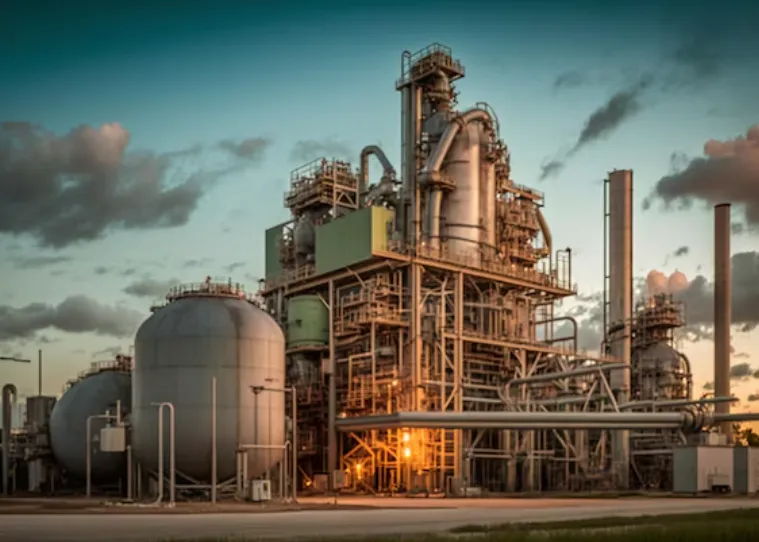
The use of gases in industrial settings underpins a wide array of processes essential for production efficiency and product quality. Among such gases, nitrogen gas is particularly vital in chemical manufacturing due to its inherent properties that contribute significantly to optimal operations and safety measures.
The Inert Nature of Nitrogen Gas
Nitrogen gas plays a critical role in the chemical manufacturing industry because of its inert nature. Its non-reactive properties make it an ideal candidate for creating controlled atmospheres where reactions are required to be limited or tailored. This is particularly useful in processes where the presence of oxygen might trigger unwanted reactions or where a non-reactive environment is required for product purity.
Applications in Chemical Synthesis and Purification
One of the primary uses of nitrogen in chemical manufacturing is in synthesis and purification processes. It serves as a blanket gas to protect reactive substances from oxygen and moisture during synthesis. Nitrogen’s low reactivity helps maintain the stability of compounds during formation and storage. Furthermore, in the purification of chemicals, nitrogen is used to purge equipment and containers, ensuring that no reactive contaminants compromise the quality of the final product.
Preservation and Storage of Chemicals
Maintaining the integrity of chemicals during storage is paramount to ensuring their effectiveness when eventually used. Nitrogen creates an inert atmosphere that prevents oxidation and other degradation processes. By displacing air, and particularly oxygen, nitrogen preserves the chemical composition of stored materials, thereby extending shelf-life and reducing spoilage.
Enhancing Safety in the Manufacturing Environment
The chemical manufacturing sector inherently presents various hazards due to the nature of the materials handled. Nitrogen gas helps in mitigating risks associated with flammable or explosive substances. By filling the void spaces in storage tanks and reaction vessels with nitrogen, manufacturers can reduce the possibility of combustible mixtures forming, which significantly enhances operational safety.
Nitrogen Gas in High-Temperature Processes
Some chemical manufacturing processes require high-temperature conditions not just for reaction kinetics but also for the condensation and separation of products. Nitrogen, being thermally stable, can withstand such conditions and serve as a carrier or purge gas without decomposing or reacting, providing consistency and reliability in the process output.
Calibration and Quality Control
Nitrogen gas is also utilised in quality control protocols within the chemical manufacturing environment. It is often used as part of calibration gas mixtures that are essential to ensure the accurate functioning of instruments and monitoring equipment. As such, nitrogen’s role extends beyond production to also encompass assurance of standards and compliance.
Adapting Nitrogen Gas for Various Manufacturing Scales
Whether in high-volume operations or in specialised batch processes, nitrogen’s versatility allows for scalability without compromising efficiency or quality. Systems for nitrogen gas delivery and monitoring can be tailored to fit the size and demands of the operation, from small canisters to large-scale storage and piping infrastructures.
Technology Integration and Nitrogen
In modern facilities, the integration of technologies such as laser gas systems exemplifies how nitrogen plays a part in sophisticated manufacturing techniques. Lasers require high-quality gases to operate efficiently, and nitrogen helps in providing the necessary environments for optimal operation while also ensuring product quality through its protective atmospheres during laser cutting or welding.
Nitrogen: Beyond Conventional Chemical Manufacturing
Nitrogen’s utility transcends traditional chemical production. It is increasingly important in cutting-edge fields like nanotechnology and pharmaceuticals, where precision and contamination control are of utmost priority. By enabling precise control over reaction conditions, nitrogen gas fosters innovation and the development of novel chemical compounds.
Supplying Nitrogen to the Chemical Industry
The consistent supply of nitrogen gas to chemical processing plants is crucial. Various supply modes, from high-pressure cylinders for smaller requirements to bulk deliveries via tanker for larger needs, are available. Providers such as Coregas can supply nitrogen in various grades and purities, meeting specific manufacturing needs and supporting chemical industries to function effectively and safely.
The Critical Role of Proper Gas Storage
Handling and storing gases safely is a fundamental consideration in chemical manufacturing. The use of a helium tank, for instance, underscores the importance of using the correct equipment designed for gas storage. Similar principles apply to nitrogen gas, where specialised tanks and containers ensure safe storage and easy access during manufacturing processes.
Global Standards and Nitrogen Gas Utilisation
The chemical manufacturing industry adheres to stringent global standards to safeguard quality and safety. Nitrogen gas suppliers must comply with these standards, ensuring that their products are suitable for use within regulated environments and contribute positively to manufacturing outcomes.
Training and Expertise in Gas Handling
Effective utilisation of nitrogen in chemical manufacturing is not solely dependent on the gas’s properties or the technologies employed but also on the human factor. Proper training in gas handling and an understanding of its characteristics and risks enable technicians to use nitrogen safely and productively, thus amplifying its benefits in various processes.
Conclusion: Nitrogen Gas’s Integral Role in Chemical Manufacturing
In conclusion, nitrogen gas serves as a cornerstone of the chemical manufacturing process, enabling a vast range of applications from production and preservation to safety and quality control. Its inert nature, coupled with its flexibility across different scales of manufacturing, makes it an indispensable resource in the industry. From supporting state-of-the-art manufacturing technologies such as laser applications to ensuring the safe storage of sensitive chemicals, nitrogen’s role remains pivotal in the ongoing advancement and sustainability of chemical manufacturing.