

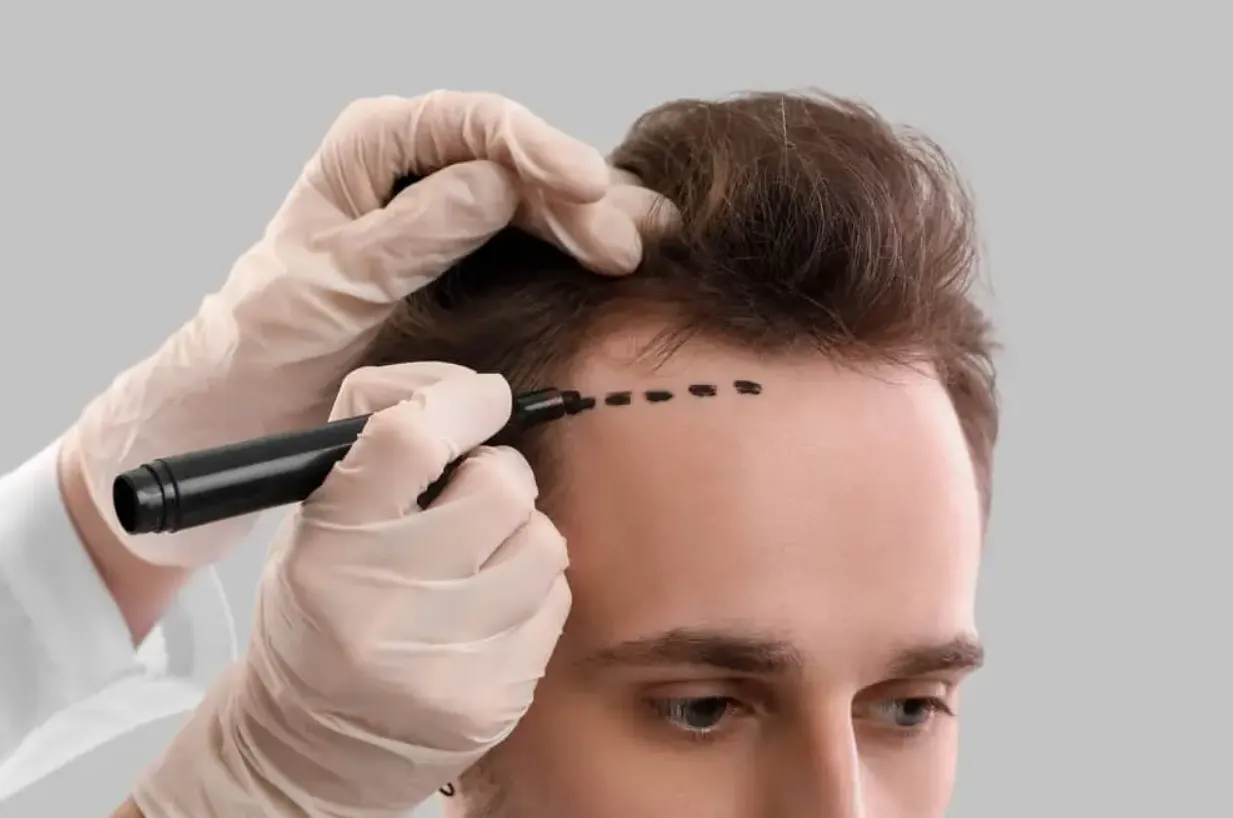
Hair loss is an issue that both the male and female gender experience, which tends to affect their self-confidence and personal image. Medical science has come up with various sophisticated ways of addressing this issue over the years but Hair Transplant Surgery is one of the most effective and permanent ways of addressing it. This process not only rejuvenates the hair, it also freshens up the general look of a person, making him/her feel more self-confident.
Learning about Hair Transplant Surgery
Hair Transplant Surgery is the procedure of moving healthy hair follicles back or on the sides of the scalp to the balding or thinning portion of the head. These follicles will grow naturally once implanted and will naturally merge with hair. The process has gained popularity due to its permanent effects and natural appearance.
The current methods of Follicular Unit Transplantation (FUT) and Flowing Units Extraction (FUE) have allowed patients access to expert hair restoration and transplant surgery that reduces scarring and downtime and maximises success rates. With all these improvements, the treatment has never been more attractive.
Hair transplant Procedures
Hair Transplant Surgery is performed using two major methods:
Follicular Unit Transplantation (FUT)
Also referred to as the strip method FUT is done by removing a small strip of scalp on the donor area. The follicles are subsequently peeled off and inserted to the target site. FUT is commonly suggested when a large number of grafts are needed by the patient within a single session.
Follicular Unit Extraction (FUE)
In FUE, the follicles are removed piece by piece in the scalp with the help of special instruments. This procedure causes the least amount of scarring and a faster healing process than FUT. It is widely used by people who want a less invasive operation.
Who are the people who can benefit from Hair transplant surgery?
This treatment is not the best one to be used by all different people who are getting hair loss. Appropriate applicants usually consist of:
- Men who have male pattern baldness.
- Women with thin hair.
- Any person who has hair loss due to burns and injury.
- Patients who have a well-developed donor region which offers sufficient healthy follicles.
To know whether Hair Transplant Surgery is the relevant solution to the condition of a person, the consultation of a professional is necessary.
Preparing for the Procedure
Planning is also an important process in achieving effective outcomes. The patient is normally advised to:
- At least one week prior to surgery, avoid smoking and drinking.
- Take no blood-thinning drugs.
- Wet their head on the surgery day.
- Talk to the surgeon about all medical issues.
By following these instructions, complications can be kept to a minimum and the scalp would be at its best before surgery.
The Hair Transplant Process
Local anesthesia is performed on the day of surgery so that the patient can be comfortable. The surgeon selects the hair follicles and prepares them carefully depending on the method adopted (FUE or FUT). These follicles are then embedded in small holes in the balding parts as per the natural hair growth direction.
This is normally done in several hours, depending on the grafts being done. It is an outpatient therapy because most patients can go back home the same day.
Recovery and Aftercare
Hair Transplant Surgery is relatively easy to recover. The treated areas can cause mild swelling, redness or scabbing to the patient. Doctors tend to prescribe drugs to minimize pain and avoid infections.
Key aftercare tips include:
- One should not do any intense exercise within a week.
- Shield the head against the sun.
- Do not scratch or rub the area that has been transplanted.
- Clean and shampoo according to the instructions of the surgeon.
The majority of the hair transplanted in the first several weeks goes out, and this is quite normal. Within 3-4 months new permanent hair is expected to grow and full effect is felt only after 9-12 months.
Pros of Hair Transplant Surgery
The reasons why this treatment is often preferred by many are several:
- Natural outcome – The growth of transplanted hair is natural.
- Permanent solution – The result is permanent and not temporary as it is with temporary hair loss treatments.
- Low maintenance – There is no special maintenance after hair grows.
- Increase in self-esteem – Patients tend to have a greater positive attitude towards their appearance.
Risks and Considerations
Although the process is safe in the majority of situations, the risks involved may include:
- Swelling or pain, which will disappear.
- Slight donor scarring.
- Lopsided growth when it is not carried out by a skilled surgeon.
By selecting an experienced practitioner to be involved in Hair Transplant Surgery, one would minimize all these risks and get the best possible results.
Hair Transplant Surgery Price
The price will depend on some factors like:
- The amount of grafts needed.
- The technique selected (FUE or FUT).
- The experience of the surgeon and the place of the clinic.
The initial cost may be quite expensive but the long-term outcomes usually justify the investment relative to the continued cost of non-surgical procedures.
Choosing the Right Surgeon
Skillfulness of the surgeon is one of the main factors that can determine the success of Hair Transplant Surgery.
Patients should look for:
- Experienced board-certified professionals.
- Pictures of past patients before and after.
- Open-mindedness on outcomes and risks.
- Good reviews and testimonials.
Conclusion
Hair Transplant Surgery is a permanent remedy to people with the problem of hair loss. Foresight in techniques such as FUE and FUT allows patients to obtain the appearance of a natural result and restored confidence. Suicide preparation, aftercare as well as the selection of an experienced surgeon are critical to success.
This procedure can indeed be life-changing and help anyone, who wants to gain some permanent solution to thinning hair or baldness, and will help restore not just hair, but also self-esteem and quality of life.