

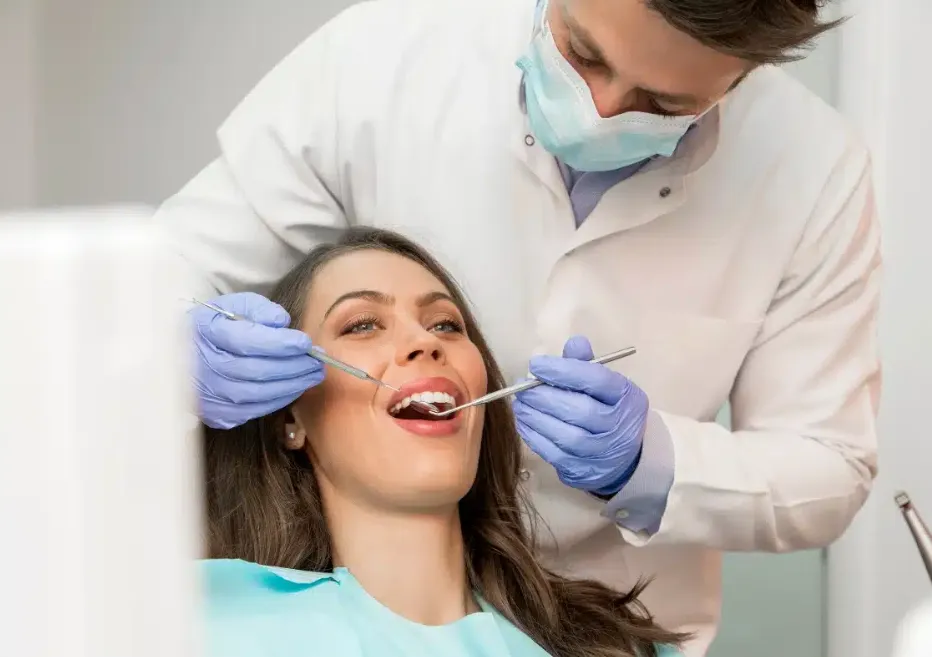
You might delay dental checkups to save time or money. That choice often brings pain, stress, and big bills later. Regular visits catch small problems before they grow into infections, broken teeth, or tooth loss. Early treatment usually costs less. It also protects your ability to work, eat, and sleep without pain. Many people only call a Sequim emergency dentist when the pain feels unbearable. By that point, damage can be severe and treatment options limited. Routine cleanings and exams help you avoid that crisis. Your dentist can spot decay, gum disease, and cracked fillings long before you feel anything. Then you can fix issues with simple steps. You gain control. You avoid surprise costs. You protect your health. Regular checkups are not a luxury. They are a basic habit that shields you from future regret.
How regular checkups save your teeth and your budget
Tooth decay and gum disease start small. You often feel nothing. A tiny cavity or mild gum bleed can seem easy to ignore. That silence tricks you. The problem grows each month. The longer you wait, the deeper the damage and the higher the cost.
Routine checkups give you three strong benefits.
- You find problems early while treatment stays simple.
- You remove plaque and tartar that you cannot clean at home.
- You get clear advice on brushing, flossing, and food choices.
You spend a short time in the chair. You avoid long visits, root canals, or extractions that can drain your savings and energy.
What happens during a regular dental visit
A standard checkup is not complex. You usually receive three steps.
- Cleaning. The hygienist removes plaque and tartar. Your teeth feel smooth. Your gums get a chance to heal.
- Exam. The dentist checks your teeth, gums, tongue, and jaw. You hear clear words about any issues.
- X‑rays when needed. Images reveal hidden decay, bone loss, and infection that eyes cannot see.
Each step serves one purpose. You catch trouble early. You gain a plan that fits your needs and your budget.
The high cost of skipping “small” problems
A tiny cavity can often be fixed with a simple filling. If you wait, that same tooth can crack or infect the nerve. Then you may need a root canal, a crown, or removal of the tooth. Each step raises the cost and the time you spend in treatment.
Gum disease works the same way. Early gum disease can often improve with cleanings and home care. If ignored, it can destroy the bone that holds your teeth. You may lose teeth and need dentures or implants. That outcome can change how you eat, speak, and smile. It can also strain family life and work.
Cost comparison: early care versus crisis care
Exact prices vary by clinic and location. Still, the pattern stays clear. Early care costs less than emergency care. The Centers for Disease Control and Prevention explains that regular preventive care lowers your chance of painful and costly problems over time.
| Type of visit or treatment | Typical timing | Relative cost level | Impact on your life |
|---|---|---|---|
| Routine exam and cleaning | Every 6 to 12 months | Low | Short visit. Little or no pain. Prevents problems. |
| Small filling | Done soon after decay starts | Low to medium | Protects tooth. Quick healing. No major life change. |
| Root canal with crown | After severe decay or injury | High | Longer visits. More stress. Higher bills. |
| Tooth extraction and replacement | After tooth cannot be saved | Very high | Changes chewing and speech. Ongoing costs for repair. |
| Emergency visit for severe pain | During crisis | High | Urgent treatment. Missed work or school. Emotional strain. |
Preventive visits often cost less than a streaming subscription each month. In contrast, one emergency can equal or exceed a month of rent or a car payment.
Health risks that reach beyond your mouth
Your mouth connects to the rest of your body. Infections in your gums or teeth can spread. They can raise your risk for heart disease, diabetes, and pregnancy problems. The National Institute of Dental and Craniofacial Research shares data on how oral health links to whole-body health.
When you keep up with dental visits, you protect more than your smile. You protect your ability to eat healthy food. You protect your sleep. You protect your energy for work, school, and the care of your family.
Helping children build strong habits
Children watch what you do. When you treat dental checkups as routine, children learn that care is normal and safe. That habit lowers their risk of cavities, missed school days, and fear of the dentist.
You can support children with three simple steps.
- Schedule visits twice a year and keep those dates.
- Use clear, calm words about what will happen.
- Brush and floss together so the child sees your example.
These small actions can spare a child from tooth pain, late-night emergencies, and deep fear of dental care as an adult.
Planning your next step
If you have delayed a checkup, you are not alone. Many people carry shame or worry about what a dentist might find. That fear keeps them stuck until pain forces action. You can break that pattern today.
- Call a local dentist and ask for a checkup and cleaning.
- Tell the office if you feel nervous or have not seen a dentist in years.
- Set reminders for your next visit before you leave the office.
You do not need a crisis to seek care. You deserve a mouth that feels calm and pain-free. Regular dental checkups give you that chance. They protect your health, your wallet, and your peace of mind long before problems explode into emergencies.