

You invested time, money, and courage to improve your smile. Now you want those results to last. Cosmetic work can stain, chip, or wear down if you slip back into old habits. Everyday choices like what you drink, how you brush, and how often you see a cosmetic dentist in Katy and West Houston can protect your teeth or quietly damage them. This guide gives you five clear strategies that keep your smile bright longer. You will learn how to clean your teeth after dark drinks, protect your enamel from grinding, and pick products that do not undo your treatment. You will also see when it is time to call your dentist before a small issue turns into a repair. You worked hard for your smile. Now you can keep it strong, clean, and bright.
1. Clean your teeth with simple daily habits
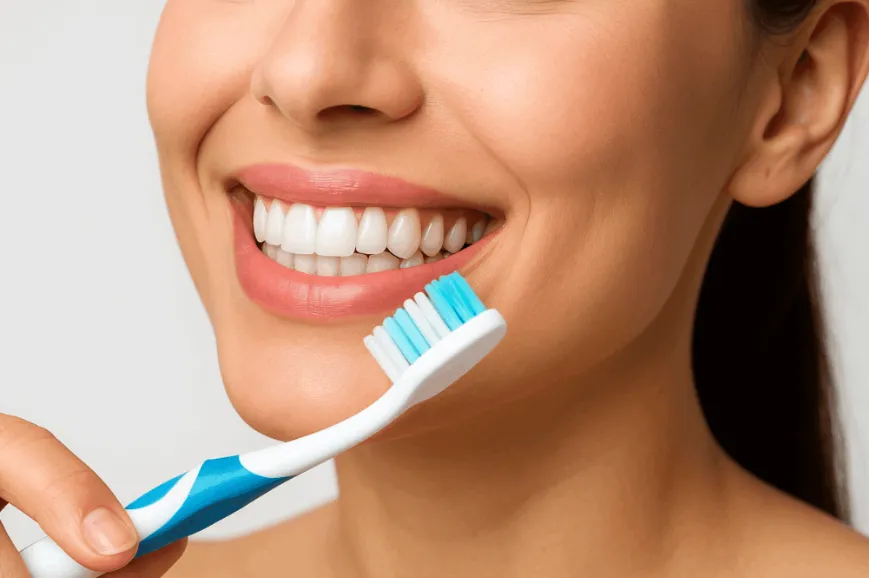
Strong cosmetic results start with clean teeth. You protect veneers, bonding, and whitening when you remove plaque and food on a steady schedule.
Use three daily steps.
- Brush two times a day with a soft brush
- Floss or use another cleaner between teeth once a day
- Rinse with water after snacks and drinks
The Centers for Disease Control and Prevention explains that plaque and sugar feed bacteria that cause decay. You may not feel pain until damage reaches the inner tooth. That same plaque can stain or weaken cosmetic work.
Use gentle pressure when you brush. Hard scrubbing can scratch some cosmetic surfaces. That rough surface then holds more stain. Brush for two full minutes. You can use a small timer so you do not rush.
2. Choose food and drinks that respect your smile
Food and drinks touch your teeth all day. Some protect your results. Others leave dark color or sugar that clings to edges and cracks.
Limit these common stain and decay triggers.
- Coffee and tea
- Dark sodas and sports drinks
- Red wine and colored juices
- Sticky candy and sweets that stay on teeth
Instead, choose water, milk, and simple whole foods. Crunchy fruits and vegetables can help wipe away soft debris as you chew.
When you do have dark drinks, use three steps.
- Drink through a straw when possible
- Finish the drink in one sitting instead of sipping for hours
- Rinse your mouth with water right after
The longer color and sugar sit on your teeth, the more they seep into small pores in enamel or attach to bonding and resin. Frequent small hits of sugar also feed bacteria all day. That raises your risk for decay around cosmetic work.
3. Use toothpaste and tools that do not scratch
Many people think stronger toothpaste works better. Some pastes contain rough particles that scrape enamel. Those same particles can wear down whitening or bonding.
Look for fluoride toothpaste with low abrasion. You can check the package for gentle whitening or enamel care. Avoid charcoal products and harsh scrubs. They can remove surface stains at a cost to your cosmetic work.
Pick a soft-bristle brush. A stiff brush can slowly thin enamel and create grooves near the gumline. Those grooves can collect stains and plaque. An electric brush can help you clean more evenly, but only if you let the brush glide and do not press hard.
Use this comparison for daily cleaning choices.
| Cleaning choice | Safer for cosmetic work | Risk to cosmetic work |
|---|---|---|
| Brush type | Soft manual or electric brush | Medium or hard brush that scrubs surfaces |
| Toothpaste | Fluoride, low abrasion | Charcoal or heavy whitening pastes |
| Cleaning motion | Gentle small circles | Back and forth sawing motion |
| Extras between teeth | Floss or water flosser | Sharp tools or toothpicks that chip edges |
These small choices protect the smooth surface that keeps stains away.
4. Protect your teeth from grinding and impact
Grinding, clenching, and sports contact can crack or chip cosmetic work without warning. You may grind at night and never notice. You might only see flat edges, small chips, or jaw pain in the morning.
Tell your dentist if you wake with sore teeth or tight muscles near your jaw or neck. The National Institute of Dental and Craniofacial Research describes how constant wear can shorten teeth over time. That same force can break bonding or veneers.
Your dentist may suggest a custom night guard. This thin shield fits over your teeth. It spreads out pressure and protects edges. Store-bought guards can help for some people, but they may not fit well and can rub your gums.
For sports and active play, use a mouthguard. Children and adults both need this. Any hit to the face can crack cosmetic work. A guard costs much less than repair or replacement.
5. Keep regular checkups and plan quick repairs
Cosmetic work lasts longer when you pair it with steady care. Professional cleanings remove hardened plaque that you cannot reach at home. Exams also catch small problems before they grow.
Follow three basic rules.
- See your dentist at least every six months, or more often if advised
- Tell your dentist about new sensitivity, rough spots, or changes in bite
- Schedule repair right away if you chip, crack, or loosen any work
Small chips often need quick smoothing or a tiny repair. If you wait, the stain can settle in, and decay can start under the damaged spot. That can turn a simple fix into a larger procedure.
Use your visits to review your habits. Ask if your brushing looks effective. Ask if your products match your type of cosmetic work. Clear guidance helps you protect your smile with less worry.
Bring it all together for long-lasting results
You can protect your cosmetic dentistry by using five steady habits. Clean your teeth with gentle tools. Choose food and drinks that respect your smile. Use low-abrasion toothpaste. Guard your teeth from grinding and hits. Keep your checkups and act fast when something feels wrong.
These steps do not take much time, but they prevent damage that can feel sudden and harsh. Each day, you protect the work you already paid for. You also protect the natural teeth under it. With simple routines and regular visits, your bright smile can stay strong for many years.