

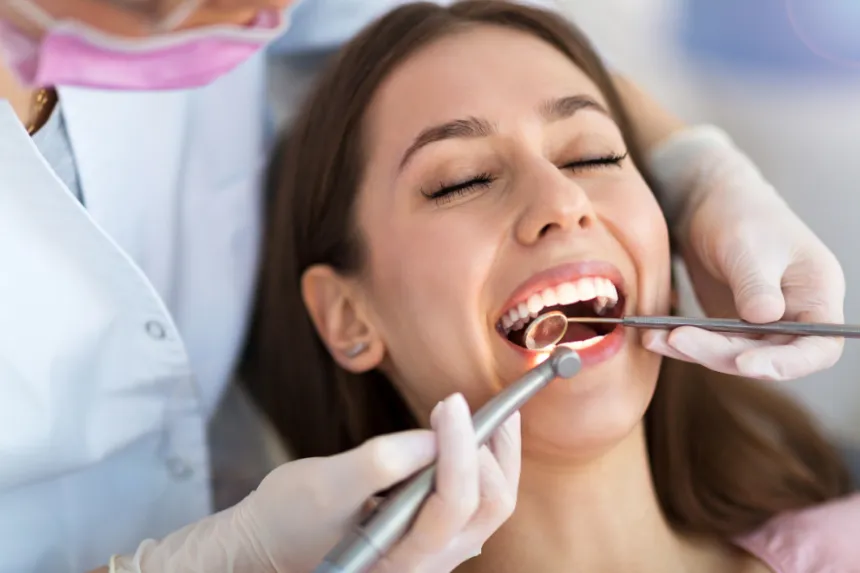
Healthy teeth do not happen by chance. They grow from steady habits and smart choices. Preventive dental care gives you a strong base so small issues do not grow into painful emergencies. This blog guides you through 4 preventive dental services that protect your teeth, gums, and jaw. Each one lowers your risk of decay, infection, and tooth loss. Together they support clear speech, confident eating, and steady comfort. You learn what to expect, how often to schedule visits, and why each service matters at every age. You also see how a trusted family dentist in Norfolk, MA can help you plan care for yourself and your children. Small steps today protect your health, time, and money tomorrow. Preventive care is not extra. It is the core of a strong, lasting smile.
1. Regular Exams And Cleanings
Routine checkups and cleanings form the base of mouth health. You may brush and floss every day. You still miss spots. Plaque hardens into tartar. Only a dental team can remove that buildup in a safe way.
During an exam, your dentist checks for three main things.
- Cavities and worn spots
- Gum swelling or bleeding
Cleanings reach under the gumline and between teeth. That lowers the germs that cause decay and gum disease. Early care means smaller fillings and less chance of tooth loss.
The American Dental Association explains that regular visits help find problems early, when treatment is easier and less costly.
Suggested Exam And Cleaning Schedule
| Age Group | Visit Frequency | Main Goals |
|---|---|---|
| Children 1 to 6 | Every 6 months | Watch growth. Guide brushing. Catch early decay. |
| Children 7 to 18 | Every 6 months | Protect new teeth. Track bite. Support sports mouthguard use. |
| Adults 19 to 64 | Every 6 to 12 months, based on risk | Prevent gum disease. Control wear. Support home care. |
| Adults 65 and older | Every 3 to 6 months, based on health | Protect remaining teeth. Manage dry mouth. Support eating and speech. |
2. Professional Fluoride Treatments
Fluoride strengthens the hard outer layer of teeth. It helps repair early weak spots before they turn into holes. You often get fluoride from toothpaste and tap water. A dentist can give a higher level in a safe way.
Fluoride treatments come as foam, gel, or varnish. The process is simple.
- Your teeth are cleaned.
- The dentist or hygienist applies fluoride to your teeth.
- You avoid eating or drinking for a short time after.
This service helps children whose teeth are still growing. It also helps adults with a history of decay, gum disease, or dry mouth. Dry mouth from some medicines raises decay risk. Fluoride cuts that risk.
The Centers for Disease Control and Prevention describe community water fluoridation as a strong tool to prevent tooth decay for all ages.
3. Dental Sealants For Cavity Protection
Sealants act as a shield for back teeth. The chewing surfaces of molars have deep grooves that trap food and germs. Brushing cannot always reach into those grooves. Sealants cover them with a thin protective layer.
The sealant process is quick and simple.
- The tooth surface is cleaned and dried.
- A gentle solution prepares the surface.
- The liquid sealant is painted on and hardened with a curing light.
Sealants are used most often for children and teens. They are usually placed soon after the permanent molars come in. Adults with deep grooves can benefit as well.
Studies show that sealants can prevent the majority of cavities in the back teeth of children. They also help lower the need for fillings and crowns later in life.
Fluoride Versus Sealants
| Feature | Fluoride | Sealants |
|---|---|---|
| Main Purpose | Strengthen all tooth surfaces | Block decay in deep grooves on back teeth |
| Best For | All ages with cavity risk | Children and teens with new molars |
| How Applied | Foam, gel, or varnish on all teeth | Painted coating on chewing surfaces only |
| Protection Time | Several months | Several years with checks at each visit |
4. Personalized Home Care Guidance
Office visits matter. Daily habits decide what happens between those visits. Your dentist helps you build a simple home routine that fits your life.
That guidance often covers three steps.
- Brushing twice each day with fluoride toothpaste
- Cleaning between teeth with floss or other tools
- Limiting sugary drinks and snacks
You also learn how to care for mouthguards, retainers, and dentures. Small changes in how long you brush, how you angle the brush, or what you drink at night can cut decay and gum disease risk.
The National Institute of Dental and Craniofacial Research lists simple steps for home care, including brushing tips and diet choices, on its site.
Putting The 4 Services Together
Each service offers value on its own. Together they form a strong shield.
- Exams and cleanings catch early change.
- Fluoride strengthens weak spots.
- Sealants block decay in hard-to-clean grooves.
- Home care guidance keeps your daily habits on track.
You support your comfort. You protect your appearance. You also lower the chance of urgent visits that disrupt school, work, and family plans.
Start with a clear plan. Talk with your dentist about your age, health, and past dental history. Then use these four services on a set schedule. That steady pattern builds a strong base for smiles that last.