

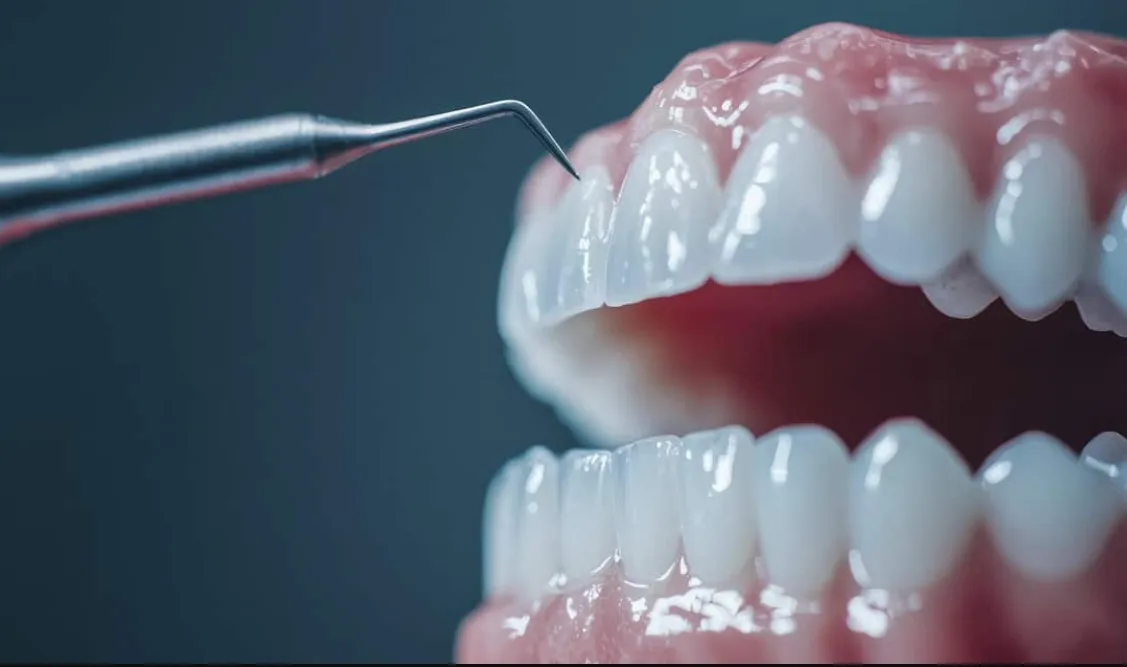
You want a smile that looks natural and lasts. Cosmetic work alone cannot give you that. Strong results start long before veneers, whitening, or aligners. Preventive dentistry protects your teeth and gums, so any smile work has a solid base. You lower the risk of pain, infection, and early failure. You also gain more control over time, cost, and comfort. A Palo Alto dentist can use cleanings, exams, and simple treatments to stop small problems before they spread. Then cosmetic steps build on healthy teeth, not damaged ones. This approach respects your time and your body. It also reduces fear, because you avoid emergency visits and rushed choices. When you treat prevention as the first step, every later step becomes easier. You do not settle for a quick fix. You build a smile that stays strong through daily use, stress, and age.
How Prevention Protects Cosmetic Work
Cosmetic dentistry changes how your smile looks. Preventive care protects how it works. You need both. Each supports the other.
Preventive care focuses on three things.
- Stopping cavities before they reach the inner tooth
- Keeping gums firm and free from infection
- Keeping bite forces balanced so teeth do not crack
These three protect any crowns, veneers, or bonding you choose. If decay forms under a veneer, the veneer must come off. If gums pull away from teeth, dark gaps appear under crowns. If you grind at night, bonding chips and wear.
Preventive visits let your dentist find early warning signs. You can then fix small issues with simple steps instead of large repairs that remove more tooth structure.
Key Preventive Steps Before a Smile Makeover
Before you change your smile, focus on three basic habits and three office treatments.
At home you can:
- Brush two times each day with fluoride toothpaste
- Clean between teeth daily with floss or small brushes
- Limit sugary drinks and snacks between meals
In the office, your dentist can:
- Provide regular cleanings to clear hardened plaque
- Check for early decay with X-rays and visual exams
- Treat gum infection before it harms bone
The Centers for Disease Control and Prevention explains that regular fluoride use and cleanings lower decay and help keep teeth longer.
Why Prevention Matters For Every Age
Smile changes help children, teens, and adults. The focus of prevention shifts as you age, but the goal stays the same. You want strong teeth and calm gums before any cosmetic step.
For children and teens, prevention helps:
- Protect new permanent teeth with sealants
- Guide jaw growth for future orthodontic work
- Build habits that last into adult life
For adults, prevention helps:
- Slow gum loss that can expose roots
- Control wear from clenching or grinding
- Preserve natural tooth structure under crowns and veneers
For older adults, prevention helps:
- Manage dry mouth from some medicines
- Protect remaining teeth that support bridges or dentures
- Reduce infection risk that can affect general health
The National Institute of Dental and Craniofacial Research gives clear guidance on prevention for each life stage.
Comparison of Outcomes With and Without Preventive Care
The table below shows how preventive care changes results after common cosmetic treatments. It uses general patterns seen in dental research and daily practice. Exact numbers can vary for each person.
| Type of Treatment | With Strong Preventive Care | With Little or No Preventive Care |
|---|---|---|
| Teeth Whitening | Color stays more even for 1 to 3 years. Stains build slowly. Touch-ups are simple. | Stains return in months. Uneven color appears. More frequent whitening is needed. |
| Veneers | Last 10 years or more. Edges stay smooth. Gums stay stable around margins. | Higher risk of decay under veneer. Chips and gaps appear sooner. Early replacement needed. |
| Crowns | Low risk of root decay. Bite stays balanced. Less need for retreatment. | Decay near gumline. Crown loosens. Possible root canal or extraction later. |
| Orthodontic Aligners or Braces | Teeth move on schedule. Fewer white spots. Gums stay firm. | White spot scars on enamel. Swollen gums. Treatment time can extend. |
| Bonding | Smoother edges. Less staining. Fewer repairs over time. | Frequent stains and chips. Uneven shapes appear. More chair time is needed. |
How Preventive Care Saves Time and Money
Strong prevention cuts surprise costs. You spend on cleanings and exams, but you avoid large procedures that cost more and take longer.
Preventive care can:
- Turn a future root canal into a small filling
- Turn a lost tooth into a saved tooth with early gum care
- Turn a broken veneer into a simple bite adjustment and night guard
These changes protect your budget and your schedule. They also lower stress. You face planned visits, not urgent calls for pain or swelling.
Questions to Ask Before a Smile Transformation
Before you start any cosmetic plan, ask three key questions.
- Are my gums free from infection or bleeding
- Are any teeth cracked, loose, or decayed
- Do I grind or clench my teeth during sleep or stress
Your dentist can use these questions to guide X-rays, gum checks, and bite checks. If any problems appear, you can fix them first. That choice supports every later cosmetic step.
Simple Daily Habits That Protect Your New Smile
After your smile changes, keep the results with three daily habits.
- Use a soft brush and gentle strokes to protect gums and enamel
- Use fluoride toothpaste and drink tap water when safe
- Wear a custom night guard if your dentist finds grinding
Then add three lifestyle choices.
- Limit tobacco, which stains teeth and harms gums
- Keep acidic drinks like soda and sports drinks for mealtimes
- Schedule checkups every six months or as your dentist suggests
Building a Smile That Lasts
Cosmetic dentistry can change how you feel when you look in the mirror. Preventive dentistry decides how long that feeling lasts. When you clean, protect, and check your teeth on a set schedule, you give veneers, crowns, and whitening a safe place to work.
You deserve a smile that stays steady through work, family meals, and aging. You can reach that goal when you treat prevention as the first and constant step in every smile transformation plan.