

Key Takeaways
- Modern cafés balance speed and comfort, allowing guests to enjoy efficient service without feeling rushed.
- The rise of fast-casual dining reflects a growing demand for quality food delivered quickly.
- Thoughtful café design enhances both operational efficiency and customer relaxation.
- Technology plays a key role in streamlining service and improving the overall guest experience.
- Strong hospitality and attention to detail remain essential for building customer loyalty.
Introduction
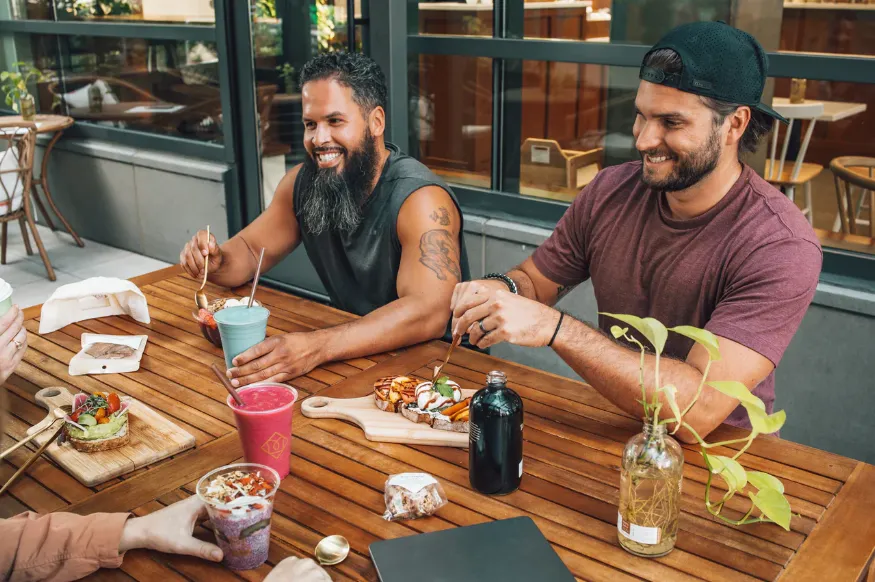
Modern life is all about balance, and nowhere is this more apparent than in the evolution of café culture. With people busier than ever, cafés must provide quick yet enjoyable service, creating a space where guests feel both welcome and unrushed. Customers can savor a meal or beverage at their own pace, even in bustling urban hubs where time is at a premium. An excellent example of this is the Great White restaurant, which exemplifies how a café can deliver speed while maintaining a relaxed, inviting atmosphere. This shift signals a broader trend: a desire for efficiency without giving up the warm, communal spirit that makes cafés so popular.
As trends like remote work and mobile lifestyles shape our routines, cafés are stepping up to meet expectations. From swift service to flexible seating, these spaces invite both productivity and leisure. Customers want their food and drinks quickly, but they also want a spot to catch up with friends or work remotely, proving that speed does not mean sacrificing comfort or quality.
The Rise of Fast-Casual Dining
The fast-casual concept bridges the gap between fast food and full-service dining, reshaping how people enjoy meals out. Fast-casual restaurants emphasize fresh, high-quality ingredients and made-to-order preparation, but with shorter wait times and reasonable prices. This approach appeals to diners seeking quick service without the compromise that often accompanies fast-food chains. As noted by industry experts, establishments offering these hybrid experiences are on the rise, carving a unique identity in hospitality. Menus focus on customization and fresher options, which translates to greater satisfaction among time-conscious but discerning consumers. According to Forbes, the fast-casual segment is expected to continue growing as it meets the modern diner’s dual desire for speed and quality.
Building community is a hallmark of successful fast-casual places. By promoting local sourcing and healthy choices, these venues attract those who wish to enjoy food that is convenient and conscientious. The relaxed style extends to the service model, encouraging guests to settle in, connect with fellow patrons, or simply recharge in an easygoing environment.
Designing for Comfort and Efficiency
The physical layout and ambiance of a café hugely impact how patrons perceive their experience. To create a space that pairs speed with relaxation, contemporary cafés are investing in design features like warm lighting, ergonomic seating, and thoughtful acoustic planning. The aim is to ensure every guest feels at ease, whether they are grabbing a latte to go or staying for an extended chat. The most successful layouts offer flexibility, with communal tables for groups and smaller nooks for solo visitors. According to Architectural Digest, intentional design not only supports atmosphere but also maximizes operational flow, allowing staff to deliver prompt service without disrupting the café’s relaxed vibe.
Furnishings are selected for both comfort and durability, ensuring they accommodate guests for both short and long stays. Features such as convenient charging outlets, clear sight lines, and uncluttered décor further enhance the experience. When executed well, these details help transform a typical café visit into a memorable occasion.
Technological Innovations in Service
To keep up with changing demands, cafés are leveraging technology in creative ways. From sophisticated point-of-sale systems to mobile preorder apps, digital tools are slashing wait times and streamlining the customer journey. Innovations such as automated espresso machines and smart inventory systems empower staff to focus on hospitality, rather than repetitive tasks. Some cafés now use customer-facing kiosks, allowing guests to customize their orders quickly and accurately. Not only does this speed up the process, but it also minimizes ordering errors and enhances satisfaction. Well-known industry outlets highlight this shift as key to modern café success, especially as expectations around convenience continue to evolve.
Balancing Speed with Quality
Delivering food and beverages quickly should never undermine the caliber of what is served. Modern cafés are refining their operations to ensure that speed enhances, rather than detracts from, overall quality. Examples include batching popular drinks ahead of high-traffic periods and investing in equipment that streamlines preparation without skimping on taste or presentation. Many operators, for instance, have introduced cold-brew coffee systems and precision grinders that minimize customer wait time while maintaining a strong commitment to consistency. As The New York Times explains, these strategic tweaks let businesses deliver a premium product, fast enough to please even the busiest customer:
- Maintaining quality controls through careful staff training
- Introducing pre-prepped ingredients for efficiency
- Using equipment that automates repetitive, time-consuming tasks
This balance reassures guests that they do not have to compromise: they can expect both swift service and top-notch refreshments.
Enhancing Customer Experience
Exceptional hospitality is still what distinguishes great cafés from the merely average. Well-trained team members provide prompt, personalized service, anticipating customer needs and managing orders efficiently. As menu prices increase, customer expectations for attentiveness and warmth rise in kind, making soft skills more vital than ever. Thoughtful details, from a friendly greeting to remembering a regular’s order, play an outsized role in securing guest loyalty and generating positive word of mouth. Hospitality experts point out that service excellence is now the key differentiator, often leading to significant business growth when consistently implemented.
Final Thoughts
Cafés are embracing a dual mandate: to move quickly while encouraging guests to slow down and savor the moment. This new standard marries operational efficiency with a relaxing atmosphere, reflecting the priorities of a diverse clientele. By investing in design, technology, fresh ingredients, and exemplary customer care, the industry is proving that it is possible to offer experiences that are both rapid and restorative. Patrons no longer need to choose between convenience and comfort; the modern café delivers both, effortlessly blending pace and peace.