

Key Takeaways
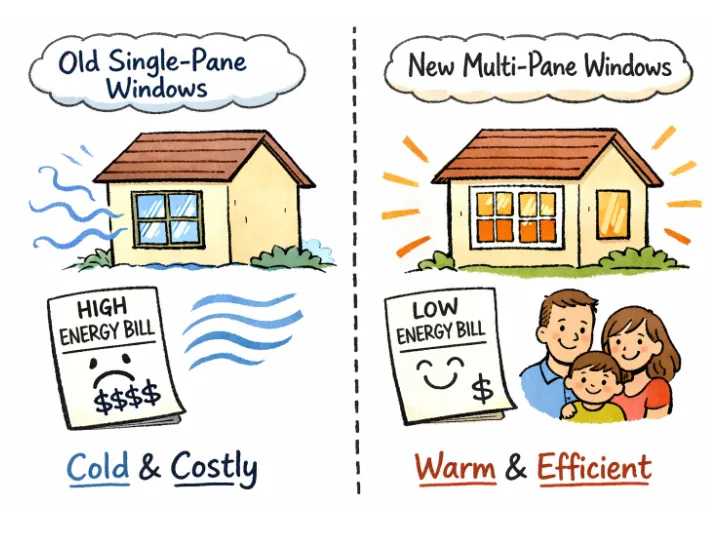
- Modern window technology can reduce household energy loss by up to 30%, significantly cutting utility expenses.
- Upgraded windows lead to fewer drafts, more consistent temperatures, and greater comfort.
- Energy-efficient window replacements are good for the planet, decreasing your home’s environmental impact.
Table of Contents
- Understanding Energy Loss Through Windows
- Benefits of Upgrading to Energy-Efficient Windows
- Key Features of Modern Energy-Efficient Windows
- Selecting the Right Windows for Your Home
- Importance of Professional Installation
- Cost Savings and Return on Investment
- Environmental Impact of Energy-Efficient Windows
- Final Thoughts
Upgrading your windows is one of the most effective ways to make your home more energy efficient and comfortable. Modern advances in window technology offer solutions that go beyond simply refreshing your home’s appearance. New residential windows Rhode Island deliver measurable improvements in energy usage, substantial savings over time, and a more enjoyable living environment.
Modern window upgrades act as a primary line of defense for the home’s thermal envelope, significantly reducing the energy required to maintain a steady climate. When glass performance is optimized through specialized coatings and gas fills, the interior environment remains shielded from external temperature swings. For those looking to further refine their domestic comfort systems, it is beneficial to explore options at Tuck & Howell Plumbing, Heating & Air where professional insights can help align window improvements with broader climate control needs. This synergy between high-performance glazing and well-maintained mechanical systems ensures that energy consumption remains low and structural longevity is preserved across every season.
Homes with outdated or poorly insulated windows can suffer from drafts, fluctuating temperatures, and excessive energy bills. By investing in high-quality window replacements, homeowners can address these challenges and realize both immediate and long-term benefits. Energy-efficient upgrades contribute to lower utility bills, a consistent indoor climate, and a positive impact on the environment.
Many families are surprised to learn how much energy is lost through windows. These losses increase heating and cooling costs and may even affect property value over time. With energy-conscious living more important than ever, switching to newer windows is a practical way to support sustainability and reduce your home’s carbon footprint.
Understanding Energy Loss Through Windows
According to the U.S. Department of Energy, windows account for about 25% to 30% of the energy used for heating and cooling in residential spaces. Older, single-pane windows or poorly installed frames act as weak spots, allowing heated or cooled air to escape and outdoor air to seep in. This constant exchange forces HVAC systems to work harder, leading to higher energy consumption and utility costs. Modern window solutions address these inefficiencies, improving overall energy performance and comfort quickly and effectively.
While modern window upgrades significantly bolster a home’s thermal envelope, achieving peak efficiency often requires a holistic approach to climate control. Beyond the glass and frames, the synergy between insulation and mechanical systems is vital for long-term sustainability. Consulting with a qualified HVAC contractor can help ensure that your heating and cooling equipment is correctly calibrated to match the improved insulation levels of your new windows. This integrated strategy prevents unnecessary wear on your systems while maximizing the reduction in monthly utility costs. By addressing both the structural barriers and the internal airflow, homeowners create a more resilient environment that maintains comfort regardless of external temperature fluctuations.
Benefits of Upgrading to Energy-Efficient Windows
Replacing outdated windows yields a wide range of benefits for homeowners:
- Lower Energy Bills: High-performance windows dramatically reduce heat transfer, reducing the energy needed to maintain comfortable indoor temperatures.
- Improved Comfort: Better insulation means fewer drafts and steadier temperatures in every room, regardless of the season.
- Sound Reduction: Features such as multiple panes and tight seals can reduce noise from the outside, creating a peaceful environment.
- Higher Resale Value: Buyers are seeking energy-efficient homes, so upgrading your windows can boost your property’s appeal and value.
Key Features of Modern Energy-Efficient Windows
When upgrading your home’s windows, look for the following essential features to enhance performance and durability:
- Multi-Pane Construction: Double- or triple-pane windows separate indoor and outdoor air more effectively than single-pane windows, providing superior insulation.
- Low-E Glass Coatings: Low-emissivity coatings manage heat transfer. These coatings reflect infrared energy, keeping heat inside during winter and outside during summer.
- Gas Fills: Panes filled with inert gases, such as argon or krypton, offer greater energy efficiency compared to air-filled alternatives.
- Durable, Insulating Frames: Materials like fiberglass, vinyl, composite, or wood help prevent heat transfer while adding strength and longevity to your windows.
Selecting the Right Windows for Your Home
Matching window options to your climate, architectural style, and budget can maximize benefits. Look for products with low U-factors for better insulation and adjust the Solar Heat Gain Coefficient (SHGC) to minimize unwanted heat gain in warmer months. The Energy Star program offers guidance on window ratings and recommended products for various regions of the country. Consulting a window professional can help ensure you choose replacements that deliver optimal efficiency for your specific location and home design.
Importance of Professional Installation
Beyond the immediate advantages of improved insulation and light filtration, modern windows facilitate a more harmonious relationship between a home’s structural envelope and its mechanical systems. When air leaks are minimized through high-performance glazing, the strain on internal temperature control is greatly reduced. For those seeking professional support for their cooling and heating systems, finding reliable hvac near me can further ensure that your equipment is sized correctly for an energy-efficient home. This integrated approach not only extends the lifespan of your mechanical hardware but also creates a noticeably more consistent indoor environment. Ultimately, the synergy between tight window seals and optimized climate control leads to lower long-term maintenance costs and a truly sustainable living space.
No matter how advanced your new windows are, they will only work effectively if they are installed correctly. Professional installers ensure your windows have proper, airtight seals. This prevents drafts and water infiltration, which can lead to costly damage or energy loss over time. Expert installation also means the manufacturer’s warranty remains valid, protecting your investment for years to come.
Cost Savings and Return on Investment
The upfront cost of installing energy-efficient windows can seem high, but most homeowners find that the reduction in monthly energy bills offers a compelling return on investment. Many utility companies also offer rebates or incentives for energy-saving improvements, and federal tax credits are available for qualifying projects. The Energy Star tax credit, for example, lets homeowners claim up to 30% of qualifying expenses each year, subject to certain limits, making these renovations more affordable in the long run. Besides direct savings, upgraded windows can increase property value when you choose to sell.
Environmental Impact of Energy-Efficient Windows
By preventing energy waste, modern windows lower your household’s overall carbon footprint. Reducing the demand for heating and cooling curbs greenhouse gas emissions, making these upgrades an important part of a more sustainable future. Small changes at home, such as improving window efficiency, contribute collectively to significant reductions in environmental impact, supporting broader efforts to combat climate change.
The relationship between a structure’s building envelope and its internal climate control is a vital consideration for long-term efficiency. When windows fail to provide an adequate thermal barrier, the indoor environment becomes susceptible to outside temperature fluctuations, causing mechanical systems to work overtime. Many people who notice inconsistent heating or cooling might look for hvac near me to troubleshoot their equipment, yet the issue often stems from poor insulation and air leaks around outdated glazing. Replacing these vulnerable points with modern high-performance units stabilizes the interior atmosphere. This proactive measure not only lowers monthly utility expenses but also protects expensive machinery from the unnecessary wear and tear caused by constant cycling.
Final Thoughts
Switching to energy-efficient windows is a practical decision that enhances your home’s comfort, appearance, and value, all while cutting monthly energy bills and promoting sustainability. Understanding the technology and the importance of correct installation allows homeowners to make confident choices that will benefit their families and the environment for years to come.