

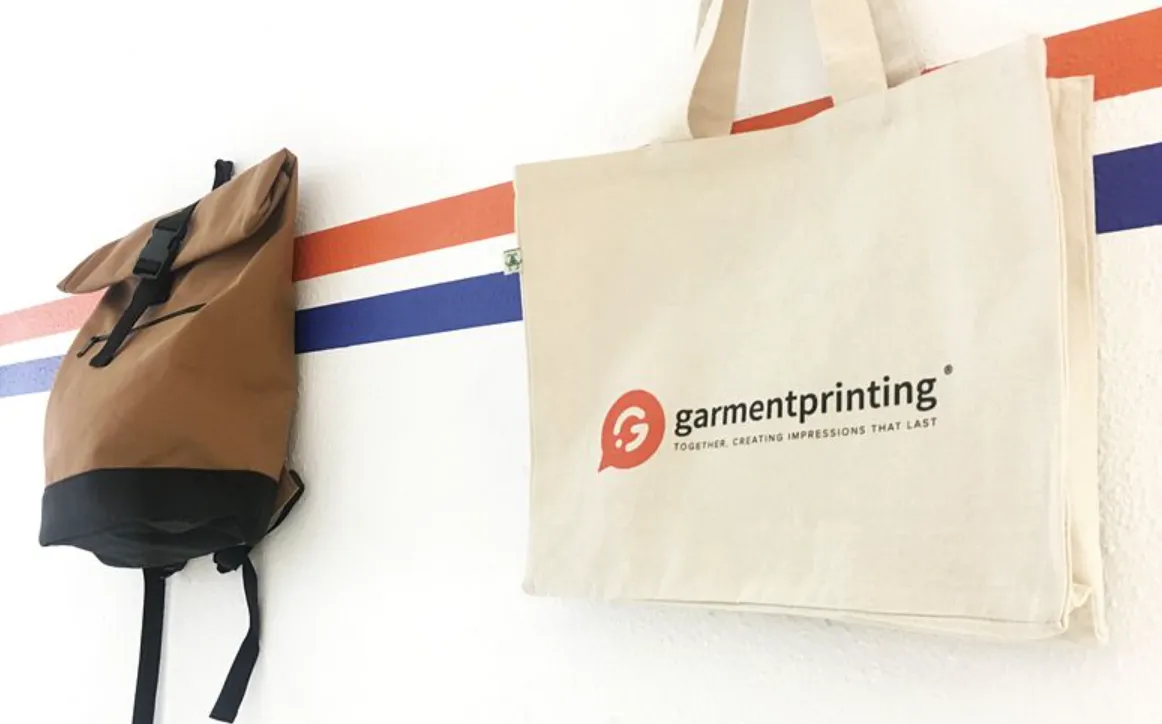
Building a sustainable presence in a crowded marketplace requires more than just a quality product; it demands a strategy that keeps your identity in the public eye long after a transaction concludes. While digital advertisements are often fleeting and easily ignored, physical marketing assets offer a tactile permanence that bridges the gap between a business and its community. Among the various tools available to marketers, Promotional Bags have emerged as one of the most effective methods for generating organic impressions. These items transition from mere packaging to functional lifestyle accessories, ensuring that a single investment continues to pay dividends as it moves through different social and professional environments.
The Evolution of Functional Marketing Assets
The transition from disposable packaging to durable, reusable carriers marks a significant shift in how consumers perceive value. When a customer receives a high-quality tote or backpack, they are not just receiving a vessel for their purchase; they are receiving a tool that simplifies their daily routine. This utility is the engine behind extended brand visibility. Because these items are designed for longevity, they become a staple in the user’s life, appearing at grocery stores, fitness centers, and office buildings. This frequent usage creates a cycle of repetitive exposure that reinforces brand recall without the intrusive nature of traditional pop-up ads or commercial interruptions.
Maximizing Visibility Through Mobile Advertisements
Unlike a stationary billboard or a localized print ad, a portable branded item travels wherever the owner goes. This mobility transforms every customer into a voluntary brand ambassador, carrying your logo into demographics and locations that your primary marketing budget might not otherwise reach. For companies looking to deepen their market penetration, utilizing promotional bags branding is a masterstroke in passive lead generation. Whether it is a sleek laptop bag used during a commute or a heavy-duty canvas tote at a local farmer’s market, the visual footprint of the brand expands exponentially with every mile traveled. This creates a ripple effect where the initial cost of the item is spread across thousands of potential impressions over several years.
The Psychological Impact of Gift Reciprocity
There is a profound psychological element at play when a business provides a functional gift to its clientele. The law of reciprocity suggests that when someone receives something of value, they feel a natural inclination to view the giver more favorably and remain loyal to the relationship. By providing a rugged and stylish carrier, a company demonstrates that it cares about the consumer’s convenience beyond the point of sale. This positive association is crucial for long-term retention. As the item remains in the household, it serves as a constant, subtle reminder of a positive experience, making the customer significantly more likely to return for future needs rather than seeking out a competitor.
Sustainability as a Core Identity Trait
In the modern era, environmental responsibility is no longer a niche preference but a mainstream expectation. Moving away from single-use plastics in favor of sturdy, reusable options aligns a business with the values of a conscious consumer base. This alignment does more than just help the planet; it builds a narrative of quality and ethical consideration. One particularly interesting subject for further study is the environmental history of the modern tote bag, which illustrates how a simple utility item became a global symbol of the eco-friendly movement. When your logo is printed on a sustainable product, it inherits the positive attributes associated with that movement, painting your business as a forward-thinking and responsible entity.
Strategic Design for Longevity and Style
To ensure that a branded item is actually used rather than tucked away in a closet, the design must prioritize both aesthetics and durability. A cluttered or overly aggressive design can detract from the item’s appeal, whereas a minimalist and sophisticated approach encourages the owner to incorporate it into their personal style. High-quality stitching, comfortable handles, and weather-resistant materials ensure the product survives the rigors of daily use. When a brand invests in the physical integrity of their Promotional Bags, they are essentially guaranteeing that their message will remain legible and vibrant for the duration of the product’s life, rather than fraying or fading after a few weeks of use.
Conclusion
The true power of a physical marketing strategy lies in its ability to exist in the real world alongside the consumer. By choosing a medium that offers genuine utility and mobile visibility, businesses can break free from the limitations of digital-only campaigns. A well-designed carrier acts as a silent salesperson, working around the clock to introduce your identity to new audiences in a non-aggressive, organic manner. As these items travel from hand to hand and location to location, they weave your brand into the fabric of daily life, ensuring that your message survives long after the first purchase is forgotten. Investing in high-quality, reusable assets is not just a marketing tactic; it is a commitment to lasting visibility and a stronger, more personal connection with every individual who carries your name into the world.