

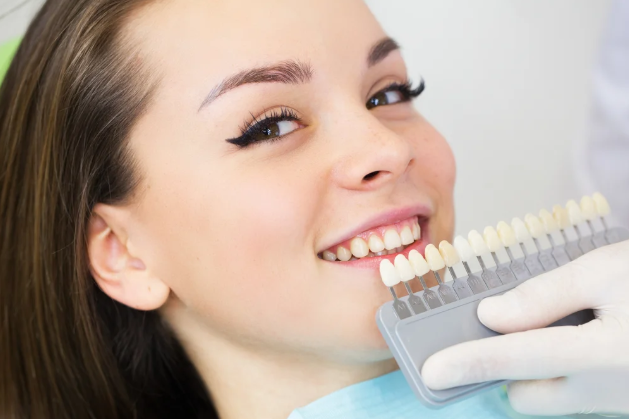
You might be feeling a mix of excitement and hesitation right now. Maybe you catch yourself covering your mouth when you laugh, or you avoid photos because you do not love your smile. At the same time, you might worry that cosmetic work at a dental clinic in El Centro will be expensive, short lived, or even harmful to your teeth if you already struggle with cavities or sensitivity.end
Because of this tension, you might wonder where to start. Do you fix the health issues first, or go straight for whitening or veneers so you can finally feel confident? The honest answer is that your smile looks best and lasts longest when cosmetic dental enhancements sit on top of strong preventive care, not in place of it.
Here is the short version. Cosmetic dentistry can brighten, smooth, straighten, and reshape your teeth. Preventive care, like cleanings, fluoride, and good home habits, keeps those improvements stable and helps you avoid painful and costly problems later. When the two work together, you get a smile that not only looks good in photos, but also feels comfortable and stays healthy over time.
Why cosmetic changes without prevention rarely feel “finished”
Think about what happens if you only treat the surface. You whiten your teeth, but within a year they stain again because plaque and tartar build up. You invest in bonding to fix a chipped tooth, but decay sneaks in at the edge because you skip regular checkups. You straighten your teeth, but gum disease progresses quietly because no one is checking beneath the gumline.
This is where the frustration often starts. You spend money, you hope for a fresh start, then you feel like you are back where you began. That emotional letdown is real. You might even start to believe that your mouth is “just bad” or that cosmetic dentistry never lasts.
The problem usually is not your mouth. It is the order of operations. When a family and cosmetic dentist first stabilizes gum health, manages cavities, and helps you build solid daily habits, cosmetic treatments have a strong foundation. Color changes are more even, restorations fit better, and results last longer.
So where does that leave you if you want both health and beauty in your smile?
Five cosmetic enhancements that work best with strong preventive care
The good news is that you do not have to choose between health and appearance. The same visits that protect your teeth can be used to plan and support cosmetic changes. Here are five popular cosmetic options and how preventive care makes each one work better.
1. Professional teeth whitening supported by cleanings
Whitening is often the first thing people think of. It can lift years of stain from coffee, tea, and aging. Yet if plaque, tartar, or untreated cavities are present, whitening can cause uneven color or sensitivity.
Regular cleanings remove surface buildup so whitening gel can contact the enamel evenly. Your dentist can also screen for issues like weakened enamel or exposed roots that might react badly. The American Dental Association shares helpful guidance on teeth whitening options and safety, which can help you ask better questions at your appointment.
2. Tooth colored fillings that protect and improve appearance
Modern tooth colored fillings can repair decay and also blend in with your natural tooth. When placed carefully, they can even improve the shape of a tooth and close small gaps.
These materials work best when decay is caught early through exams and X rays. Preventive visits mean smaller cavities, which allow for more conservative and more attractive fillings. The ADA explains more about materials used for tooth colored restorations, including how they are chosen for different situations.
3. Veneers that last longer on healthy teeth and gums
Porcelain veneers can transform a smile by changing shape, color, and alignment in a short time. They are a bigger investment, though, and they rely heavily on stable gum health.
If gums are inflamed or receding, the edges of veneers can become visible or uneven. Bleeding gums also make the bonding process harder. With strong preventive care, including cleanings and gum therapy when needed, veneers sit in a calm environment. That means fewer dark lines at the edges and a smoother look over the years.
4. Crowns that restore strength and appearance together
Crowns are often thought of as a “fix” for broken or heavily filled teeth, but they can also be a cosmetic upgrade. A well made crown can change color, shape, and alignment on a single tooth.
However, crowned teeth still need prevention. Decay can form at the edges if plaque is not controlled. Regular checkups allow your dentist to monitor the margins, adjust your bite, and clean around the crown so it keeps both its function and its appearance.
5. Replacing old dark fillings for a cleaner look
Older silver fillings can be strong, but some people dislike the dark shadows they cast. In some cases, your dentist can replace them with tooth colored material to brighten your smile when appropriate.
This decision should never be rushed. Your dentist will evaluate whether the old filling is still sound and whether replacement might remove too much healthy tooth. The ADA offers balanced information about dental amalgam and its use, which can help you understand why some fillings are kept and some are changed.
How do preventive care and cosmetic dentistry compare in daily life?
It can help to see how these two sides of care work together rather than compete. Cosmetic changes often provide the emotional lift you want. Preventive care quietly protects that investment in the background.
| Focus | Preventive Dental Care | Cosmetic Dental Enhancements |
| Main goal | Stop problems like decay and gum disease before they start | Improve the way your smile looks in color, shape, and alignment |
| Typical examples | Cleanings, exams, X rays, fluoride, sealants, home care coaching | Whitening, bonding, veneers, crowns, replacing old fillings |
| Short term result | Fresher mouth, early problems caught, less pain and surprises | More confident smile, better first impression, emotional boost |
| Long term effect | Fewer emergencies and extractions, lower lifetime costs | Results last longer when teeth and gums stay healthy |
| Works best when | You keep regular visits and follow a simple home routine | Done after or alongside preventive care on a stable foundation |
What should you actually do next?
You might be thinking, “This all sounds good, but I still do not know where to begin.” That is completely normal. The gap between wanting a better smile and taking the first step can feel large, especially if you are worried about cost or past dental experiences.
These practical steps can help you move forward in a calm and thoughtful way.
1. Start with a health first, appearance second conversation
Schedule a visit and be upfront that you are interested in both preventive care and cosmetic options. Ask for a full evaluation of your gums, existing fillings, and any areas of sensitivity before talking about whitening or veneers. A good cosmetic dental enhancement plan will outline what needs to be stabilized first and what can safely be done now.
2. Ask for a phased, budget aware plan
You do not need to do everything at once. Ask your dentist to group treatment into phases. For example, first handle urgent issues like active decay, then complete cleanings and gum care, then move on to whitening or replacing old restorations. This phased approach can spread out costs and reduce stress, while keeping you moving steadily toward the smile you want.
3. Protect your results with simple daily habits
Once you invest in whitening, bonding, veneers, or crowns, a few small habits make a big difference. Brush twice a day with fluoride toothpaste, floss once a day, and keep regular checkups. Be mindful of staining drinks and grinding or clenching. This is how you protect any cosmetic dentistry you choose and avoid feeling like you are starting over again in a few years.
Bringing health and beauty together in your smile
You do not have to choose between a healthy mouth and a smile you feel proud to show. When preventive care and cosmetic enhancements work together, you get both. Your teeth feel better, your gums stay calmer, and your confidence grows each time you see your reflection.
If you have been putting this off because you felt embarrassed, overwhelmed, or unsure where to start, you are not alone. The most important step is simply to begin the conversation with a trusted dentist and be honest about your goals and worries. From there, a clear, step by step plan can turn that tension between “health” and “appearance” into a single, steady path forward.
You deserve a smile that feels comfortable and looks like you. Start by focusing on prevention, then add the cosmetic touches that match your personality and your life. The two together are far stronger than either one on its own.