

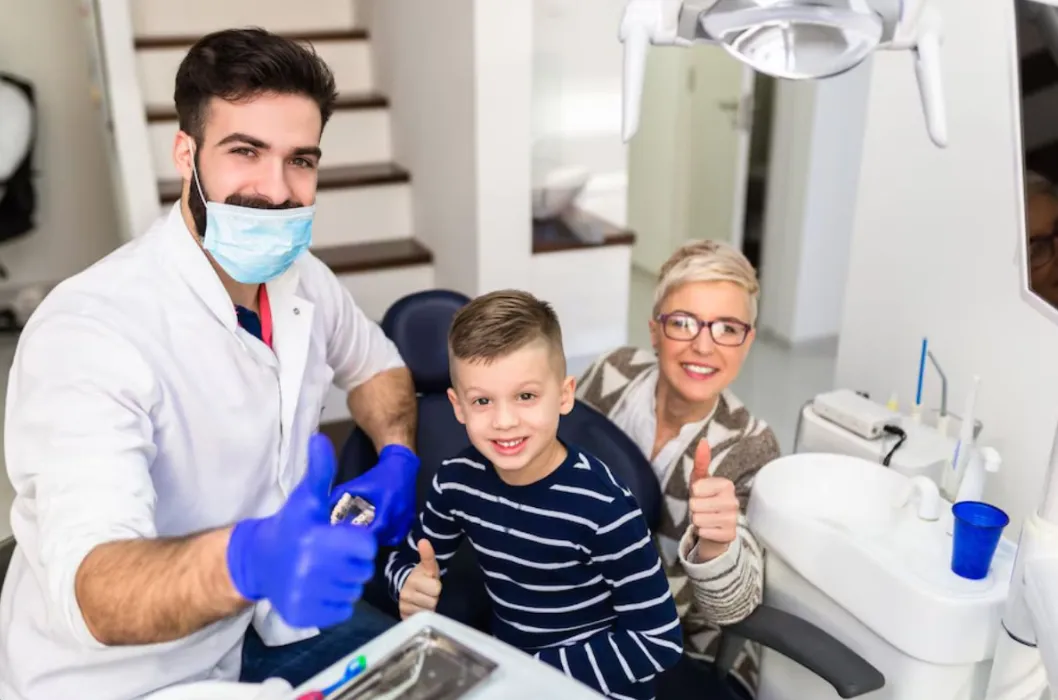
You might be watching your child brush their teeth and wondering if it is enough. Maybe you have tried to cut back on sugary snacks, you remind them to floss, yet you still worry every time they say their tooth hurts or you spot a tiny dark spot. It can feel like a lot rests on your shoulders, and that if you miss something now, your child might pay for it later. Visiting a dentist in Plymouth, MI can help ensure their smile stays healthy.end
That worry is understandable. Children’s teeth are changing fast. Baby teeth come and go, adult teeth start to appear, and habits are still forming. It is easy to feel unsure about what is “normal,” what is an emergency, and what can wait. Because of this tension, you might wonder where a family dentist fits in, and whether regular visits actually make a difference or are just one more appointment on your crowded calendar.
The short answer is that a good family dentist does much more than fix cavities. They act as a long term partner who watches how your child’s mouth grows, guides you on daily care, and steps in early before problems become painful or expensive. Put simply, protecting developing teeth is a team effort, and the dentist is a core part of that team.
Why developing teeth need more than “good brushing” at home
You may already know the basics. Brush twice a day, floss once a day, limit sugary drinks. You might have read tips on sites like HealthyChildren.org from the American Academy of Pediatrics. Even with that knowledge, real life with kids looks different. Mornings are rushed. Evenings are tiring. Your child might insist they brushed, but you are not totally sure how well.
Here is where the problem starts. Cavities in baby teeth can grow quietly. Early gum problems are usually painless. Jaw growth issues do not hurt at first. By the time your child says “my tooth hurts,” the issue may already be larger and harder to fix.
That is the “before.” The “after” can look very different. With a trusted family dental care provider, you get regular checkups where tiny issues are spotted before they turn into big ones. Your child hears the same messages about brushing and food from someone besides you, which often sinks in better. You also get specific guidance tailored to your child’s mouth, not just general advice from the internet.
So where does that leave you? You are still the daily decision maker, but you are no longer carrying the worry alone. The dentist becomes a guide, a coach, and when needed, a problem solver.
What exactly does a family dentist do to protect kids’ teeth?
It helps to see the different layers of protection. Think of a good general dentist for families as working across three areas. Prevention, early detection, and gentle treatment.
1. Prevention through routines, education, and simple treatments
Prevention starts with regular cleanings and exams. The dentist or hygienist removes plaque and tartar that brushing often misses, especially behind the front teeth and on the chewing surfaces of molars. During these visits, they show your child how to hold the toothbrush, how long to brush, and how to reach the back teeth. Hearing it from a professional can reduce power struggles at home.
They may also use fluoride treatments to strengthen the enamel, which research has shown lowers the risk of cavities. In some cases they place sealants, which are thin protective coatings on the chewing surfaces of permanent molars. Sealants can be especially helpful for children who love snacks or who struggle with thorough brushing.
2. Early detection of silent problems
Many childhood dental problems start quietly. Small cavities, early gum inflammation, or crowding can be hard for you to see. A family dentist uses bright lights, mirrors, and sometimes low dose X rays to spot these changes early. That might mean treating a tiny cavity with a small, simple filling instead of waiting until it reaches the nerve and needs more complex care.
They also watch how the jaw and teeth line up over time. If they see that your child’s bite is developing in a way that could cause problems with chewing or speech, they can refer you to an orthodontist at the right moment. That timing can make future treatment shorter and more comfortable.
3. Gentle treatment and support when something goes wrong
Even with great care, kids still get cavities or injuries. They might fall and chip a tooth or complain about sudden pain. In those moments, your family dentist becomes your first call. Because they already know your child, they can often treat problems more gently and with less fear.
They use child friendly language, explain what they are doing, and move at a pace your child can handle. Over time this builds trust, which matters a lot. A child who feels safe with their dentist is more likely to keep up with care as a teenager and adult, which protects their teeth long after childhood.
Home care vs professional care for developing teeth
You might wonder how much of this you can handle on your own, especially if money or time are tight. Is regular professional care truly worth it compared to careful home routines alone
The truth is that both matter. Daily home care is the foundation. Professional care adds another layer of protection that you simply cannot fully match at home. The comparison below can help you see how they work together.
| Aspect | Home Care Only | Home Care + Family Dentist |
| Cavity prevention | Depends on how well and how often your child brushes and flosses. Easy to miss back teeth or rushed brushing. | Professional cleanings remove hardened tartar. Fluoride and sealants add extra protection in cavity prone areas. |
| Detecting problems | Relies on visible signs like pain or dark spots. Many issues stay hidden until they are advanced. | Regular exams and occasional X rays catch early decay, gum issues, and growth problems before they cause pain. |
| Cost over time | May feel cheaper at first. Risk of higher costs later if problems are found late and need urgent treatment. | Smaller, more predictable costs for checkups. Often lower long term costs because problems are treated early. |
| Child’s attitude toward dental care | Dental visits may only happen in emergencies, which can feel scary and stressful. | Routine visits build comfort, trust, and healthy habits that can last into adulthood. |
| Guidance for parents | Information comes from online sources and trial and error. Harder to know what applies to your child. | Personalized advice on brushing, diet, thumb sucking, and more, based on your child’s specific needs. |
If you are wondering about daily routines, you can also review step by step tips from trusted health sources like the MedlinePlus guide to brushing and flossing. A family dentist can then adapt those guidelines to your child’s age and abilities.
Three practical steps to protect your child’s teeth now
1. Set a realistic checkup schedule and stick to it
Most children do best with a dental visit every six months. If it has been longer than that, start by calling a nearby family dentist for children’s teeth and book a routine exam and cleaning. Put the next appointment on your calendar before you leave the office. Treat it like you would a school event or important meeting, not something you move unless you absolutely must.
Before the visit, tell your child what to expect in simple terms. For example, “Someone will count your teeth and clean them with a special toothbrush.” Avoid using words like “hurt” or “shot” even if you mean “it will not hurt.” Children tend to focus on the scary word.
2. Build a simple, consistent home routine
Pick a brushing routine you can actually maintain. Twice a day is the goal. For younger children, that might mean you brush their teeth first, then let them “finish” for practice. For older kids, you might use a two minute timer or a favorite song to keep them going long enough.
Try to make small changes to food and drink choices. Offer water instead of juice between meals. Keep sugary snacks as an occasional treat instead of a daily habit. You do not have to be perfect. Even small, steady changes can reduce the number of cavities your dentist finds.
3. Use your dentist as a guide, not just a fixer
At each visit, bring your questions. You might ask about thumb sucking, nighttime grinding, or whether your child needs fluoride toothpaste and in what amount. You can also ask the dentist to show you areas your child is missing when they brush. Many are happy to use a small mirror and colored disclosing tablets so you and your child can see the spots that need more attention.
If cost or insurance is a concern, say so openly. Dental teams work with families every day and may be able to space out non urgent treatments, suggest lower cost options, or connect you with community resources.
Moving forward with more confidence
Caring for a child’s teeth can feel like one more thing you have to get exactly right, and that pressure can be heavy. You do not have to do it alone. With a steady home routine and support from a trusted family dental care provider, you can protect your child’s developing teeth, reduce painful surprises, and give them a healthier mouth for years to come.
The next small step is simple. Choose a family dentist you feel comfortable with, schedule a checkup, and use that visit as a chance to ask questions and make a plan. You are already thinking about your child’s health, which means you are on the right path.