

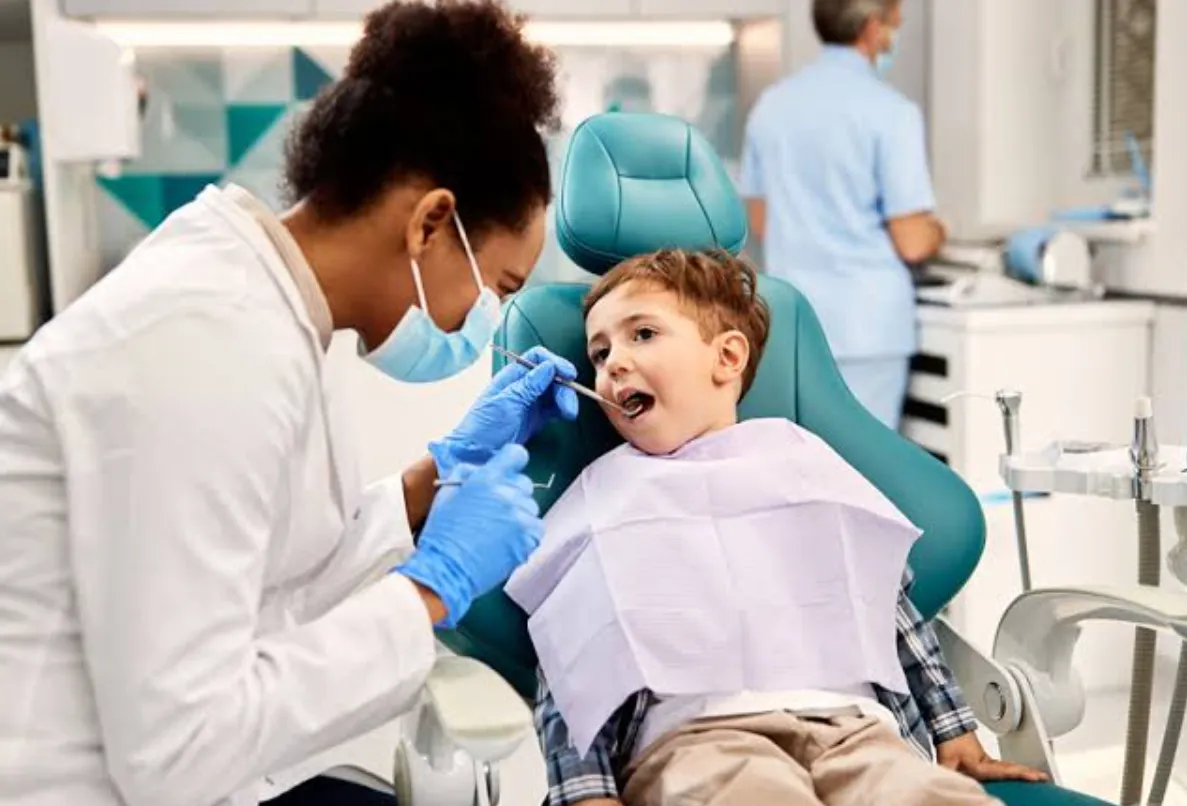
You might be feeling worn out from reminding everyone to brush and floss, juggling school schedules, work, and activities, and then trying to squeeze in dental appointments with a dentist in Harrisburg, PA on top of it all. Maybe one child is anxious about the dentist, another keeps getting cavities, and you are quietly wondering if you are missing something important about their care.end
It often starts with a small worry. A toothache that shows up on a Sunday night. A school note about a dental screening. A hygienist gently mentioning that it has been a little too long since the last visit. From there, the guilt can creep in. You care deeply, yet life moves fast and oral health slips down the list.
You are not alone. Keeping an entire family on track with dental care is hard, even for organized parents. The good news is that a thoughtful family dentist does more than fix teeth. A good office is built to encourage consistency in quiet, practical ways, so you are not carrying the entire burden by yourself.
In simple terms, here is the heart of it. A consistent relationship with one trusted practice, a child friendly “dental home,” clear education, and smart appointment systems can turn scattered, stressful visits into a steady routine that happens almost on autopilot.
Why does staying consistent with dental care feel so hard for families?
Think about everything that competes for your attention. Work deadlines, homework, sports, meals, screen time limits, and maybe caring for older relatives too. In that swirl, preventive care can feel optional, at least until something hurts. Because of this pressure, many families live in a cycle of “ignore, worry, crisis, repeat.”
The problem is that teeth do not wait. Tiny cavities grow quietly. Early gum irritation is easy to miss. Children can pick up small habits, like sipping juice all day, that lead to big problems later. By the time pain appears, treatment is usually more involved and more expensive than a simple cleaning or early filling would have been.
So where does a family dental practice fit into this picture, and how can it actually make consistency easier instead of adding to your stress?
1. How a “dental home” builds comfort and routine for your family
One of the most powerful ideas in modern family dentistry is the “dental home.” This means having one main practice that knows your child, tracks their needs, and coordinates care over time, much like a pediatrician does.
The American Academy of Pediatric Dentistry explains the concept of a dental home and why early, ongoing care matters for children. You can read more in their guidance on the dental home model for kids.
With a dental home, your child is not starting from scratch at every visit. The team remembers their fears, their progress, their habits, and even the small details that help them feel safe. Because the environment becomes familiar, appointments feel more like routine checkups and less like one time “events.”
For parents, this steadiness matters. When you know exactly where to go, who you will see, and what to expect, you are more likely to keep appointments and less likely to cancel when life gets busy.
2. How family dentists gently close the “knowledge gap” about daily care
Many parents carry quiet questions. How much fluoride is too much. Is mouthwash necessary for kids. Are electric toothbrushes worth it. Is bleeding when flossing normal. It is easy to feel embarrassed asking, so those questions sit in the background and routines stay vague.
A thoughtful family dentist understands that consistent care at home does not come from fear or guilt. It comes from clear, simple explanations that fit real life. They show children how to brush and floss in ways that feel doable. They talk with parents about snacks, sports drinks, and bedtime routines in plain language.
If you want a strong foundation to refer to, the National Institute of Dental and Craniofacial Research offers straightforward guidance on daily oral hygiene for families. A good practice will echo and personalize this kind of advice, so you leave each visit knowing exactly what to focus on next.
When everyone understands the “why” and the “how,” it becomes much easier to be consistent without constant nagging or power struggles.
3. How child friendly tools and visits make kids willing partners
Consistency is almost impossible if your child dreads every appointment. Fear leads to last minute cancellations, tears in the car, and a growing sense that dental visits are a punishment. Over time, that pattern can follow them into adulthood.
Family focused practices use small but powerful strategies to change that story. They introduce tools slowly. They explain each step before they do it. Some even use activity sheets, models, or simple games so younger children can “practice” and feel in control.
For a fun example, the CDC publishes a printable activity book that helps kids learn about caring for their teeth. A good family dentist uses the same idea in person. When kids feel involved and respected, they are far more likely to cooperate and even remind you when it is time for their “tooth check.”
Over time, this turns dental care from something done “to” them into something they do “with” you and the dental team. That shift is a powerful driver of long term consistency.
4. How smart systems and scheduling keep everyone on track
Even with the best intentions, it is easy to forget appointments or push them back. Busy seasons at work, exams, holidays, and illness can all interrupt routines. This is where the behind the scenes systems in a modern family dentistry practice make a real difference.
Many offices use recall reminders by text or email, family block scheduling so siblings can be seen together, and advance booking so your next checkup is on the calendar before you leave. When all of you are treated under one roof, it becomes much simpler to align visits and prevent conflicts.
The American Academy of Pediatric Dentistry also outlines how a well organized dental home coordinates care for different ages and needs under one structure. Their expanded policy on the dental home for children with varying needs shows how planning and systems support steady care across childhood.
These practical details may not feel dramatic, yet they quietly remove barriers. Fewer forgotten appointments. Less juggling of different offices. More follow through with recommended cleanings and checkups.
Is a family dentist really different from “just booking when needed”?
You might wonder if it is worth committing to one practice at all. After all, you can always call around when a problem pops up. To help you compare, here is a simple look at what usually happens over time.
| Approach | Short Term Feel | Long Term Effect on Consistency | Impact on Children |
|---|---|---|---|
| “As needed” visits at different offices | Flexible. You only go when something hurts or a school note comes home. | Gaps between visits grow. Early problems get missed. Costs tend to be higher when treatment is finally done. | Kids see dental care as scary and unpredictable. No familiar faces or routines. |
| Ongoing care with one family dentist | Requires some planning, yet appointments are predictable and coordinated. | Regular cleanings catch small issues early. Fewer emergencies. Habits are reinforced over time. | Kids know the office and staff. Anxiety decreases. They build a sense of responsibility for their own teeth. |
Seen this way, a consistent family dentist is less about one perfect visit and more about creating a pattern that quietly protects everyone’s health over years.
Three simple steps you can take now to support consistency
1. Choose one practice to be your family’s dental home
You do not need to find the “perfect” office. You just need a place that feels respectful, clear, and patient centered. Call, ask how they handle children’s visits, and whether they can schedule family appointments together. Once you choose, commit to starting your routine there instead of hopping from place to place.
2. Put preventive visits on the calendar like any other important event
Before you leave each appointment, schedule the next one. Then add those dates to your main family calendar with reminders a few weeks and a few days ahead. Treat these visits like you would an important school event or work meeting. That small mental shift supports long term consistency.
3. Build one small daily habit for the whole family
Pick something realistic and start today. Maybe it is brushing together before bed, using a timer for 2 minutes, or setting out toothbrushes and floss where everyone can see them. You can lean on simple guidance like the NIDCR tips for brushing and flossing routines and then adapt them to your schedule. One small habit done every day matters more than a perfect plan you cannot maintain.
Moving forward with more confidence and less guilt
You do not need to carry the weight of your family’s oral health alone. A steady relationship with a caring family dentist, a true dental home, and a few thoughtful systems can turn scattered, stressful visits into a calm routine that supports everyone’s health.
You are already doing something important by thinking about consistency instead of waiting for the next emergency. From here, your next step is simple. Choose a practice you trust, schedule that first preventive visit, and give yourself permission to build this one visit at a time. Over the years, your future self, and your children, will quietly thank you every time they smile without pain or worry.