

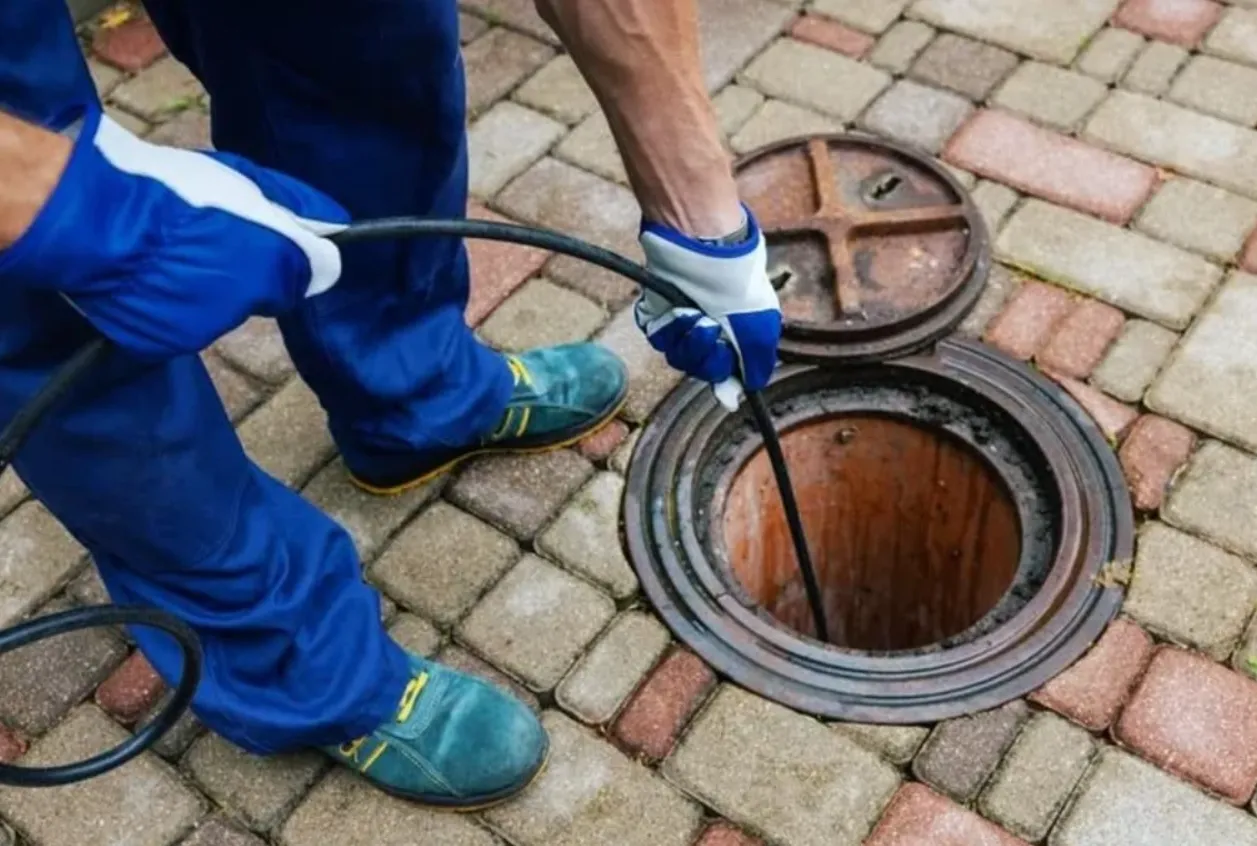
We’ve all been there—standing in front of a stubborn drain, wondering whether to grab the plunger or dial up a plumber. A blocked drain isn’t just a minor inconvenience; it can throw a wrench into your daily routine. So, what’s the best move? Let’s break it down.
Contents
Recognizing the Symptoms of a Blocked Drain
Before deciding on a course of action, it’s crucial to identify the signs of a blockage. Slow-draining sinks, gurgling noises from pipes, and unpleasant odours are common indicators. If you notice water pooling or backups appearing, it’s time to take notice. Ignoring these signs can lead to more significant issues down the line.
DIY Solutions: Pros and Cons
Using a Plunger: The Classic Approach
The plunger is a household staple for a reason. It’s straightforward and often effective for minor blockages. However, technique matters. A good plunging session requires patience and the right amount of force. Overdoing it might even splash water everywhere, creating a bit of a mess.
Natural Remedies: Going Green
Some prefer eco-friendly options like baking soda and vinegar. These can help break down organic matter clogging the pipes. Just pour half a cup of baking soda followed by half a cup of vinegar down the drain, wait for about 15 minutes, and then flush with hot water. It’s a simple method, but results can vary.
Drain Snakes: A Handy Tool
If plungers and natural remedies aren’t cutting it, a drain snake might do the trick. This tool allows you to reach deeper into the pipes to dislodge stubborn clogs. It requires a bit of elbow grease, but for many, it’s a cost-effective solution before calling in the pros.
When DIY Isn’t Enough
Sometimes, despite your best efforts, the blockage remains stubborn. Persistent issues could signal more serious problems like root intrusions or pipe damage. In such cases, continuing to DIY might lead to further complications, making things worse rather than better.
Benefits of Calling a Professional Plumber
Bringing in a professional can save you time and hassle. Experts have the tools and know-how to tackle even the most stubborn blockages. Moreover, they can identify underlying issues that might not be apparent to the untrained eye. For instance, opting for clearing a blocked drain with professionals ensures the job is done right the first time.
Cost Considerations: DIY vs. Professional Help
Money is always a factor. DIY methods are generally cheaper upfront, especially if you already have the necessary tools. However, if a DIY attempt fails, you might end up paying more in the long run for professional services to fix any additional damage caused. It’s a bit of a gamble between saving now or potentially spending more later.
Preventive Measures to Keep Drains Flowing Smoothly
Prevention is better than cure. Simple habits like using drain guards, avoiding pouring grease down the sink, and regularly cleaning drains can go a long way. Additionally, being mindful of what goes down the toilet can prevent unexpected blockages. Regular maintenance helps keep everything running smoothly and reduces the likelihood of future headaches.
Making the Right Choice for Your Home
Deciding between DIY and calling a plumber depends on the severity of the blockage, your budget, and your comfort level with tackling plumbing issues. For minor clogs, a DIY approach might suffice. However, for more severe or recurring problems, seeking professional help is often the smarter choice. It’s all about balancing effort, cost, and peace of mind.
Final Thoughts
Dealing with a blocked drain can be a real nuisance, but knowing your options empowers you to make the best decision for your situation. Whether you decide to roll up your sleeves or reach out to a plumber, addressing the issue promptly can save you time and stress in the long run. So, the next time you face a stubborn drain, you’ll know exactly how to handle it.