

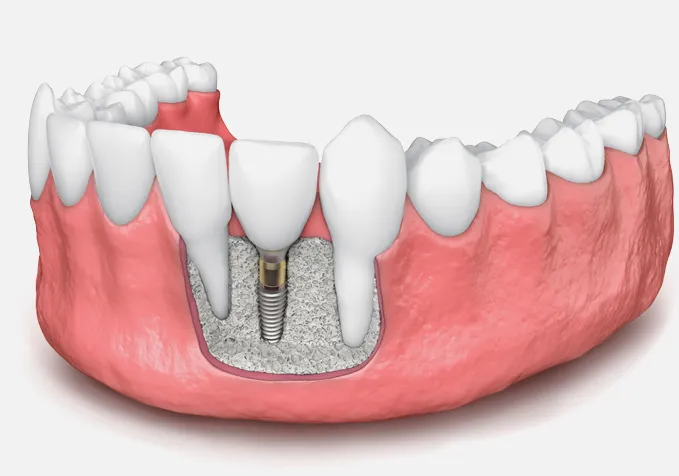
Tooth loss can leave more than a gap in your smile. It can also leave your jaw too weak to support an implant. Bone grafting gives your jaw a second chance. It replaces missing bone so an implant can stay firm and steady. You may need a graft if you lost a tooth long ago, had gum disease, or suffered an injury. Many people feel fear when they hear “bone graft.” That fear is common. It is also often based on confusion. This blog explains why bone grafting is sometimes needed before Albuquerque dental implants. It also explains what you can expect and how it can protect your health. You will see when a graft makes sense. You will see what happens during healing. You will learn how this step can help you chew, speak, and smile with strength again.
Contents
- 1 Why your jaw needs enough bone for an implant
- 2 What a bone graft does for your jaw
- 3 Common types of dental bone grafts
- 4 When bone grafting is usually needed
- 5 What happens during the bone graft process
- 6 Comparing implants with and without bone grafting
- 7 How to support healing after a bone graft
- 8 When to call your dentist or specialist
- 9 Bone grafting as an investment in your health
Why your jaw needs enough bone for an implant
A dental implant needs strong support. The implant post sits in your jaw and acts like a tooth root. If the bone is thin or soft, the post can loosen or fail.
Bone loss can happen for three main reasons.
- Tooth loss. When a tooth is gone, the bone under it starts to shrink.
- Gum disease. Infection eats away the bone that holds teeth in place.
- Injury. Trauma can crush or crack parts of the jaw.
The National Institute of Dental and Craniofacial Research explains that missing teeth and gum disease are common causes of bone loss in the mouth.
What a bone graft does for your jaw
A bone graft adds new bone material where your jaw is thin or sunken. Your body then grows fresh bone around this support.
A graft can help you in three key ways.
- It creates enough height and width for an implant.
- It restores the shape of your jaw and face.
- It helps protect nearby teeth from shifting or loosening.
Without a graft, an implant in weak bone can move, hurt, or fail. With a graft, your dentist or specialist can place the implant in a safer and more stable spot.
Common types of dental bone grafts
Your care team chooses the graft type based on your health, jaw shape, and goals. Here are common options.
| Graft type | Source of bone | Typical use | Key points |
|---|---|---|---|
| Your own bone | From your jaw or another body site | Single missing tooth or small sections | Good match for your body. Needs a donor site. |
| Donor bone | Carefully screened human donor | Larger defects or several teeth | No second surgery site. Strong safety steps are in place. |
| Animal bone | Processed bone from animals | Builds height and width | Acts as a scaffold while your bone grows in. |
| Synthetic material | Man made minerals or similar material | Small or moderate defects | Steady supply. Designed to support new bone growth. |
Each choice has strengths. Your dentist or specialist reviews your medical history, your medicines, and your plans for future care before choosing.
When bone grafting is usually needed
Not every implant needs a graft. You may need one in these common situations.
- You lost a tooth many years ago, and the jaw under it has shrunk.
- You have gum disease with bone loss around nearby teeth.
- You need several teeth replaced in a row.
- You have a thin upper jaw close to the sinus.
- You had an injury that damaged part of your jaw.
The American Dental Association explains that dental implants need healthy bone support for long term success.
What happens during the bone graft process
The process is careful and step-by-step.
- long-term You meet with your dentist or specialist. You discuss your health, your medicines, and your goals. You have scans or X rays to measure your bone.
- Graft placement. You receive numbing medicine. The provider opens the gum, places the graft materiaX-rays may cover it with a thin membrane. Then the gum is closed with small stitches.
- Healing. Your body slowly joins the graft material and builds new bone. This can take several months.
- Implant placement. When the bone is strong, the dentist places the implant post into the new support.
You may feel some swelling and soreness for a short time after the graft. Clear aftercare steps reduce discomfort and support healing.
Comparing implants with and without bone grafting
This table shows how a graft can change your care plan.
Good if bone ithe s strong
| Factor | Implant without graft | Implant with graft |
|---|---|---|
| Bone support | Enough bone is already present | Bone is rebuilt before implant |
| Number of visits | Fewer visits | More visits over a longer time |
| Healing time | Several months for implant to join bone | Several months for graft plus implant healing |
| Stability | Improved support in weak or thin bone | |
| Long term outlook | Good when bone quality is high | Better chance of success when bone loss was present |
How to support healing after a bone graft
Your daily choices matter. You can protect your graft with three simple steps.
- Follow instructions. Take medicines as directed. Use rinses only as told. Attend all follow-up visits.
- Protect the site. Do not touch the graft with your tongue or fingers. Use soft foods at first. Avoid hard or sticky foods near the site.
- Care for your mouth. Brush other teeth gently. Keep your mouth clean to reduce infection risk.
If you smoke or vape, talk with your provider. Tobacco harms blood flow to the bone and can slow healing.
When to call your dentist or specialist
Some soreness and swelling are common after a graft. Still, you should contact your provider if you notice any of these signs.
- Strong pain that does not ease with prescribed medicine
- Bleeding that does not slow
- Fever or chills
- Bad taste or pus near the graft site
- Stitches that come loose early
Quick action can prevent bigger problems and protect the graft.
Bone grafting as an investment in your health
Bone grafting adds time to your implant journey. It can also give you a stronger, safer base for that implant. You gain better chewing, clearer speech, and a more steady bite. You also protect the shape of your jaw and face.
If you are told you need a graft, ask questions. Ask why it is needed, what material will be used, how long healing may take, and how to care for your mouth at home. Clear answers can replace fear with understanding and control.