

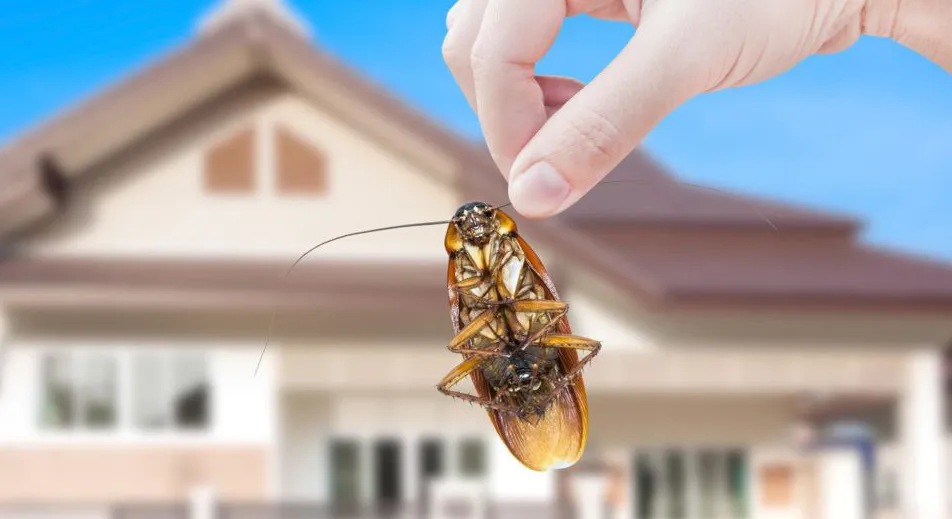
Small plumbing leaks are often dismissed as minor household nuisances, but their impact can extend far beyond water damage or increased utility bills. These leaks create moist environments that are highly attractive to pests, particularly cockroaches, which thrive in damp, hidden spaces. When left unaddressed, even the tiniest drip can provide a consistent water source, making your home an ideal habitat for these resilient insects. Understanding the connection between plumbing issues and pest infestations is crucial for maintaining a healthy, pest-free living environment. Addressing leaks promptly can help prevent the cycle of recurring cockroach problems and protect your home from further complications.
Contents
How plumbing leaks attract cockroaches
Moisture is a fundamental requirement for cockroach survival, and plumbing leaks provide a steady supply of water that can go unnoticed for weeks or even months. Cockroaches are nocturnal creatures that prefer dark, damp environments, making the spaces under sinks, behind appliances, and within wall cavities perfect hiding spots. When a pipe drips or a faucet leaks, it creates a microclimate that supports not only cockroaches but also the growth of mold and mildew, which can further degrade indoor air quality. The presence of moisture also softens building materials, making it easier for cockroaches to find entry points and establish nests. Over time, these conditions can lead to a persistent infestation that is difficult to eliminate without addressing the underlying moisture problem.
Why cockroaches keep coming back
Recurring cockroach infestations are often linked to unresolved plumbing leaks that provide a continuous water source. Even after thorough cleaning and the use of pesticides, cockroaches will return if the environment remains favorable. These insects are highly adaptable and can survive on minimal food as long as water is available. This is why homeowners may notice a resurgence of cockroaches shortly after thinking the problem was solved. The key to breaking this cycle is to eliminate the conditions that attract them in the first place. For residents seeking cockroach control Rockford, fixing leaks and reducing moisture is a critical first step in any effective pest management plan. Without addressing these issues, other control measures are likely to offer only temporary relief.
Plumbing leaks and cockroach breeding cycles
Cockroaches reproduce rapidly, and a single female can produce hundreds of offspring in her lifetime. Plumbing leaks accelerate this process by providing the humidity and water necessary for egg development and nymph survival. The eggs are often deposited in hidden, moist areas where they are protected from cleaning efforts and chemical treatments. As the young cockroaches mature, they continue to exploit the same water sources, perpetuating the infestation. This cycle can be particularly challenging in older homes or buildings with outdated plumbing, where leaks are more common and harder to detect. Regular inspections and prompt repairs are essential to disrupt the breeding cycle and reduce the likelihood of recurring infestations.
Quick facts about cockroach behavior
Cockroaches are primarily nocturnal and tend to hide during the day, making infestations difficult to detect until they become severe. They are attracted to water more than food and can survive for weeks without eating, but only days without water. This makes plumbing leaks a primary factor in sustaining their populations indoors.
Health risks associated with cockroach infestations
Beyond being a nuisance, cockroach infestations pose significant health risks to occupants. Cockroaches are known carriers of bacteria, viruses, and allergens that can trigger asthma and allergic reactions, especially in children and sensitive individuals. Their droppings, shed skins, and saliva can contaminate food and surfaces, leading to the spread of diseases such as salmonella and E. coli. The presence of moisture from plumbing leaks exacerbates these risks by promoting the growth of mold and bacteria, creating a hazardous environment for residents. Addressing both the pest problem and the underlying moisture issue is essential for maintaining a safe and healthy home.
Preventing future infestations
The most effective way to prevent recurring cockroach infestations is to eliminate their access to water. This involves regularly inspecting plumbing fixtures, pipes, and appliances for leaks and repairing them promptly. Ensuring proper ventilation in kitchens, bathrooms, and basements can help reduce humidity levels and make these areas less attractive to pests. Sealing cracks and gaps around pipes and in walls can also limit entry points for cockroaches. Consistent cleaning routines, especially in areas prone to moisture, further reduce the likelihood of infestations. By addressing both the symptoms and the root causes, homeowners can create an environment that is inhospitable to cockroaches and other pests.
Conclusion
Small plumbing leaks may seem insignificant, but they play a major role in attracting and sustaining cockroach infestations. The persistent presence of moisture provides cockroaches with the resources they need to survive, breed, and thrive within homes. Addressing leaks quickly and maintaining a dry, clean environment are essential steps in breaking the cycle of recurring infestations. By understanding the connection between plumbing issues and pest problems, homeowners can take proactive measures to protect their living spaces from the health risks and discomfort associated with cockroach invasions. Regular maintenance and vigilance are key to ensuring a pest-free and healthy home for the long term.