

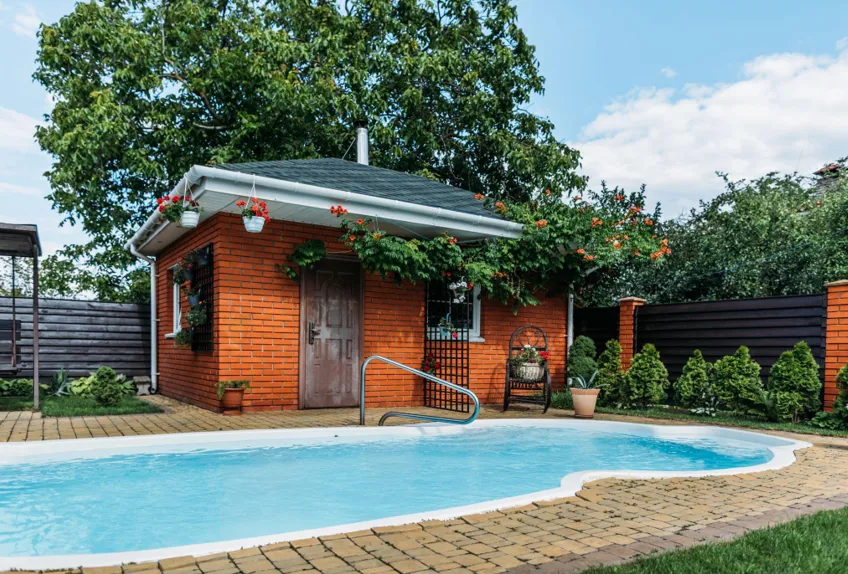
Across Australia, more people are turning to smaller homes as a practical and lifestyle-friendly choice. Rising property prices, shifting work habits, and the appeal of low-maintenance living are encouraging a rethink of how space is used. In compact settings, every square metre counts, but that doesn’t mean style or comfort have to be sacrificed. With the right approach, limited space can feel open, organised, and inviting, proving that small-scale living is about creativity rather than restriction.
Contents
Light and Layout for a Spacious Feel
The perception of space often comes down to how light moves through a room. Even the smallest home can appear airy if daylight is allowed to reach every corner. Windows positioned to capture both morning and afternoon sun can brighten interiors, while strategically placed mirrors reflect light and create a sense of depth.
Open-plan layouts are another powerful tool. Removing unnecessary walls between living, dining, and kitchen areas can improve flow and allow shared light to spread more evenly. For privacy, consider partial screens or glass partitions instead of solid barriers, keeping a sense of separation without blocking light. In multi-level spaces, staircases with open risers or balustrades made from glass or thin steel can maintain a visual connection between floors, making the overall area feel larger than it is.
Furniture That Works Twice as Hard
When floor space is limited, each piece of furniture should justify its place. Multifunctional designs are key to keeping a small home adaptable and uncluttered. A sofa bed can transform a lounge into a guest room without the need for an extra bedroom. Extendable dining tables cater for everyday meals but can also accommodate larger gatherings when needed.
Fold-away desks and wall-mounted drop-leaf tables are particularly useful in homes where space doubles as a work area. These can be tucked away when not in use, freeing up valuable floor area for movement or other activities. Storage ottomans and coffee tables with hidden compartments keep everyday items within reach yet out of sight, maintaining a sense of order. By combining function and flexibility, you can make even a modest footprint feel generous and versatile.
Clever Storage That Doesn’t Clog the Room
Storage is one of the biggest challenges in compact homes, and the solution often lies in making use of overlooked spaces. Under-bed drawers, bench seats with lift-up lids, and recessed shelving can all provide extra capacity without crowding a room. Built-in cabinetry, especially when finished in the same colour as the walls, can blend into the background, keeping the focus on open space rather than bulk.
A well-planned granny flat build and designs often factor in hidden storage from the very start, ensuring every corner works harder. Overhead cupboards in kitchens, pull-out pantry systems, and slim vertical storage beside appliances can make small footprints function like much larger spaces. The goal is to keep surfaces clear so the home feels uncluttered and easy to move through.
Outdoor Space That Feels Like an Extra Room
In small-scale living, outdoor areas can be as valuable as the rooms inside. Even a modest balcony or courtyard can act as a natural extension of the home if designed thoughtfully. Choosing furniture that fits the proportions of the space is essential — a compact bistro table, foldable chairs, or a built-in bench can create seating without overcrowding.
Potted plants, vertical gardens, and climbers bring life to the space while softening hard surfaces. Shade solutions like retractable awnings or outdoor blinds make these areas more usable throughout the year. When lighting is added for evenings, the outdoors becomes a flexible zone for dining, relaxing, or entertaining, giving the impression of more living space without needing to build more walls.
Personal Touches That Bring Warmth Without Clutter
Decorating a compact home calls for careful selection. The aim is to create a welcoming feel without overpowering the limited space. One approach is to focus on a few standout features rather than filling every wall or surface. A bold accent wall in a calming colour can anchor the room, while a single large artwork can make more impact than multiple small pieces.
Textiles also play a big role in softening a room. Layered rugs, textured cushions, and natural fabrics add comfort and warmth without adding physical bulk. Keeping a consistent colour palette throughout the home helps maintain visual flow, making each area feel connected and harmonious. By striking a balance between personality and restraint, you can ensure the space feels lived-in yet airy.
Conclusion
Small homes prove that size is no barrier to comfort or style. With thoughtful planning, each square metre can serve a purpose while still leaving room to breathe. Light, layout, furniture, and storage choices all contribute to creating a space that feels open and functional. Outdoor areas and subtle personal touches further enhance the home’s character. Living compactly becomes less about making do and more about making smart, intentional choices that reflect how you want to live.