

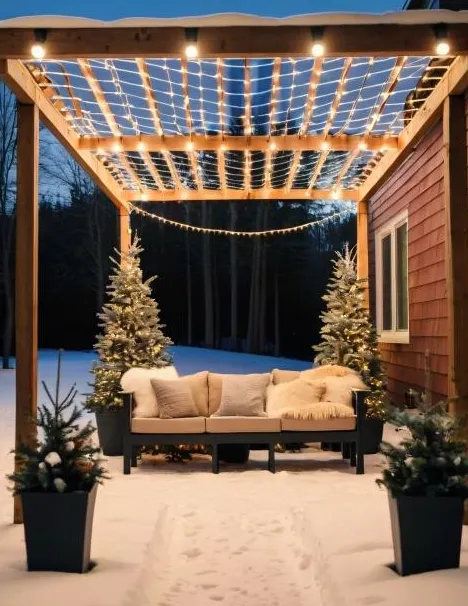
Outdoor spaces have taken on a new role in modern homes. They’re no longer reserved for occasional use or seasonal enjoyment; instead, they’ve become active, multifunctional areas that support everything from relaxation to social gatherings. As lifestyles continue to evolve, the need for flexibility in outdoor design has become increasingly important.
Creating a space that adapts to different needs requires more than aesthetic decisions. It involves thoughtful planning, durable structures, and an understanding of how people use their environments over time. When designed with flexibility in mind, outdoor areas can offer lasting value and usability.
Contents
Why Flexibility Matters in Outdoor Design
Modern lifestyles are rarely static, and outdoor spaces need to keep up. A patio that serves as a quiet retreat today might become a gathering space tomorrow. Designing with flexibility allows homeowners to make the most of their space without constant renovations.
Concepts explored in flexible living space design strategies highlight how adaptability improves long-term usability. Applying these principles outdoors ensures that the space remains relevant as needs change.
Flexibility isn’t about adding more—it’s about designing smarter. A well-planned space can serve multiple purposes without feeling cluttered or overdesigned.
Multi-Functional Layouts
One of the most effective ways to achieve flexibility is through multi-functional layouts. Instead of assigning a single purpose to each area, spaces can be designed to accommodate different activities. A seating area, for example, can double as a dining space or a place for casual work.
This approach maximizes usability while maintaining a clean and organized design.
The Role of Covered Structures in Adaptable Spaces
Covered structures are essential for creating outdoor spaces that can be used in a variety of conditions. They provide protection from weather while defining functional zones within the layout. Whether it’s a carport, patio cover, or shaded seating area, these features enhance both comfort and usability.
Homeowners looking for reliable solutions often consider options like patio covers and pergolas from providers such as Royal Covers, where durability and design integration are carefully balanced. These structures can be customized to fit different layouts, making them a practical choice for flexible outdoor environments.
Incorporating covered areas allows homeowners to extend the use of their space throughout the year, regardless of changing weather conditions.
Adapting to Different Weather Conditions
Weather can significantly impact how outdoor spaces are used. By including protective features, homeowners can reduce these limitations and create environments that remain comfortable in various conditions. This not only improves usability but also encourages more frequent use.
Strategic placement of covered structures ensures that key areas remain accessible and functional.
Choosing Furniture That Supports Flexibility
Furniture plays a critical role in how adaptable an outdoor space feels. Lightweight, modular, and multi-purpose pieces can be rearranged or repurposed as needed. This allows homeowners to adjust their setup quickly without making permanent changes.
Ideas from creative garden furniture inspiration demonstrate how thoughtful selections can enhance both style and functionality. Choosing pieces that are both durable and versatile ensures that the space remains practical over time.
The right furniture can transform a single area into multiple functional zones with minimal effort.
Balancing Structure and Open Space
Flexibility doesn’t mean filling every corner with features. In fact, leaving open space is just as important as adding structure. A balanced layout allows for movement, adaptability, and future changes without requiring major adjustments.
Covered areas, seating zones, and pathways should be arranged in a way that maintains openness while providing definition. This balance creates a space that feels both organized and inviting.
When structure and openness are carefully managed, the space remains versatile and easy to use.
Maintaining Visual Simplicity
Simplicity is key to maintaining flexibility. Overly complex designs can limit how a space is used and make it harder to adapt. By focusing on clean lines and minimal clutter, homeowners can create environments that are both functional and visually appealing.
This approach ensures that the space remains adaptable without sacrificing style.
Integrating Indoor and Outdoor Living
One of the most effective ways to enhance flexibility is by creating a seamless connection between indoor and outdoor spaces. When these areas are visually and functionally aligned, they can be used interchangeably, expanding the overall living area.
Consistent materials, color palettes, and design elements help create this connection. These details make transitions feel natural, encouraging more frequent use of outdoor spaces.
This integration also allows homeowners to adapt their living environment based on changing needs.
Planning for Long-Term Adaptability
Designing an outdoor space isn’t just about meeting current needs—it’s about anticipating future ones. Flexible layouts, durable materials, and multi-purpose features all contribute to long-term adaptability.
Covered structures, in particular, offer versatility by serving different functions over time. What begins as a protective feature for vehicles can later become a shaded entertainment area or workspace.
This forward-thinking approach ensures that the space continues to provide value as lifestyles evolve.
Maximizing Return on Investment
Flexible designs often deliver greater long-term value because they reduce the need for future modifications. By investing in adaptable features from the beginning, homeowners can avoid additional costs and enjoy a space that grows with them.
This makes flexibility not just a design choice, but a practical investment.
Conclusion
Designing flexible outdoor spaces requires a balance of thoughtful planning, adaptable features, and durable materials. By focusing on multi-functional layouts, protective structures, and versatile furniture, homeowners can create environments that evolve alongside their needs.
The most successful designs are those that remain open to change while maintaining a strong sense of purpose. With the right approach, outdoor spaces can become dynamic extensions of the home, offering comfort, usability, and lasting value for years to come.