

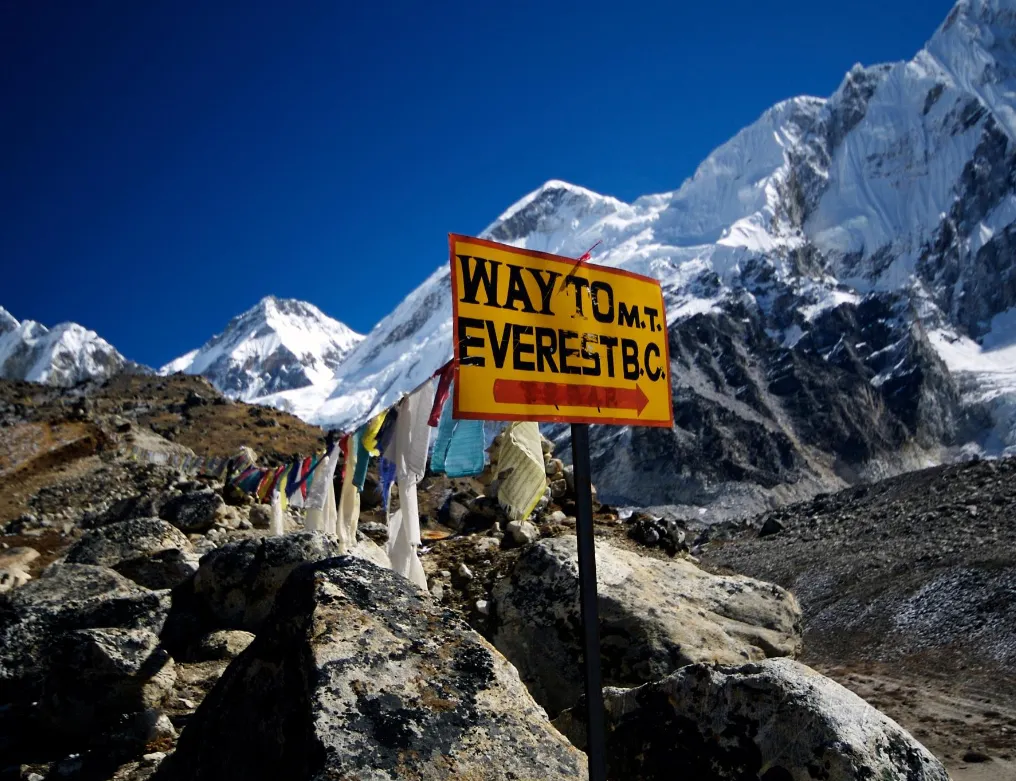
Imagine trekking through rugged trails, breathing in the crisp Himalayan air, and standing beneath the towering peak of Everest. It’s a dream for many, but the reality? The Everest Base Camp (EBC) trek is no walk in the park. With high altitudes, unpredictable weather, and daily hikes lasting 5–8 hours, your fitness level can make or break your experience.
The good news? You don’t need to be an elite athlete to complete the EBC trek—but you do need to train smart. Lack of preparation is one of the top reasons trekkers struggle with exhaustion, altitude sickness, and even incomplete journeys. Whether you’re an occasional hiker or a fitness newbie, a well-structured training plan can significantly boost your endurance, strength, and confidence.
This guide will walk you through a step-by-step training routine, covering cardio, strength, altitude preparation, and mental resilience. You’ll learn how to condition your body for long trekking days, improve stamina, and minimize injury risks. Ready to get trek-fit? Let’s dive in!
Contents
- 1 Why Training for Everest Base Camp is Essential
- 2 How Fit Do You Need to Be for the Everest Base Camp Trek?
- 3 Everest Base Camp Trek Training Plan (Step-by-Step Guide)
- 4 Mental Preparation: Building Resilience for the Trek
- 5 Nutrition & Hydration for Training & Trekking
- 6 Final Thoughts: Get Trek-Ready for Everest Base Camp!
Why Training for Everest Base Camp is Essential
The Physical Demands of the Everest Base Camp Trek
The Everest Base Camp (EBC) trek spans 130 km (round trip), with daily hikes lasting 5–8 hours. The terrain is rugged, featuring steep ascents, rocky trails, and suspension bridges. Trekking at altitudes above 5,000 meters (16,400 feet) pushes your body to its limits.
Unlike sea-level hikes, oxygen levels drop by 50% at base camp. This makes breathing harder and slows recovery. Strong legs, endurance, and efficient breathing are crucial for a successful trek.
Your body must handle consecutive days of trekking with minimal rest. Without proper training, fatigue sets in fast, making each step harder.
Common Challenges Trekkers Face
Even experienced hikers struggle with altitude, stamina, and cold temperatures. Here’s what you’ll need to prepare for:
- Altitude Sickness – At higher elevations, oxygen is scarce. Headaches, nausea, and dizziness are common. Acclimatization is key.
- Endurance & Stamina – Long trekking hours drain energy. Building cardiovascular fitness helps sustain effort for days.
- Steep Climbs & Descents – Trails rise sharply, especially near Namche Bazaar and Kala Patthar. Leg strength is crucial.
- Unpredictable Weather – Freezing nights, strong winds, and occasional snowstorms test physical and mental resilience.
- Carrying a Daypack – A 5-7 kg (11-15 lbs) backpack adds strain. Training with weight improves stability.
Many trekkers underestimate how altitude and exhaustion combine. Even fit individuals struggle without proper conditioning.
The Importance of a Structured Training Plan
A systematic training approach prepares your body for high-altitude trekking. Random workouts won’t build the endurance needed for 12+ days of hiking.
A good plan focuses on:
- Cardio Training – Running, cycling, or stair climbing 3–5 times per week to strengthen heart and lungs.
- Leg & Core Strength – Squats, lunges, and step-ups to handle steep trails.
- Long Hikes with a Backpack – Simulating trek conditions builds stamina and joint endurance.
- Breathing Techniques – Practicing deep breathing improves oxygen intake, essential for high altitudes.
- Flexibility & Recovery – Stretching prevents stiffness, while proper rest avoids overtraining injuries.
Training isn’t just about fitness—it’s about building resilience. The stronger your body, the easier your trek. Start preparing early, and you’ll enjoy every step of your journey to Everest Base Camp!
How Fit Do You Need to Be for the Everest Base Camp Trek?
Required Fitness Level for an Average Trekker
You don’t need to be a marathon runner or a professional athlete to reach Everest Base Camp (EBC). However, a moderate to high level of fitness is necessary. You’ll be trekking 5-8 hours daily for nearly two weeks, often at high altitudes with reduced oxygen.
The trek is physically demanding due to steep ascents, rocky trails, and high elevation gains. Strong legs, endurance, and good lung capacity are essential. If you can comfortably walk 10-15 km (6-9 miles) on hilly terrain, you’re on the right track.
Fitness requirements for EBC trekking:
- Able to hike for several hours without exhaustion.
- Comfortable carrying a 5-7 kg (11-15 lbs) backpack.
- Good cardiovascular endurance (running, cycling, or stair climbing helps).
- Strong leg muscles to handle elevation gains of 500-1,000 meters per day.
Realistic Expectations: How Difficult Is the EBC Trek?
Everest Base Camp is a challenging trek, but it’s achievable with proper preparation. Unlike technical climbs, no mountaineering skills are needed. The biggest challenges come from altitude, endurance, and changing weather.
Factors that make EBC difficult:
- High Altitude: The trek reaches 5,364m (17,598 ft), where oxygen levels drop by nearly 50%.
- Length & Endurance: The 12-14 day journey requires sustained effort with limited rest days.
- Steep Terrain: Some sections, like Namche Bazaar and Kala Patthar, involve steep climbs with thin air.
- Unpredictable Weather: Snow, strong winds, and freezing nights add extra difficulty.
If you’re moderately fit and follow a training plan, you can complete the trek without major issues. However, untrained trekkers often struggle with fatigue, knee pain, and altitude-related symptoms.
Can Beginners Trek to Everest Base Camp?
Yes, beginners can trek to Everest Base Camp, but preparation is crucial. Many first-time trekkers complete the journey with proper training and acclimatization.
Beginners should:
- Start training 2-3 months in advance with cardio and strength exercises.
- Do practice hikes with elevation gain to build endurance.
- Walk with a weighted backpack to simulate trekking conditions.
- Plan for slow, steady pacing to avoid overexertion.
EBC is tough, but achievable for anyone willing to train. With determination and the right preparation, even first-time trekkers can reach base camp successfully!
Shorter Alternative: Everest Base Camp Trek with Helicopter Return
If you want to experience the Everest Base Camp trek but have limited time or want to avoid the long descent, a EBC trek with heli return option is a great alternative. Instead of trekking back the same route, you can take a scenic helicopter flight from Gorak Shep back to Lukla or even directly to Kathmandu.
Benefits of the EBC Trek with Heli Return:
- Reduces the trek duration to 8–10 days instead of the usual 12–14.
- Avoids knee strain and fatigue from long descents.
- Offers breathtaking aerial views of Everest and the Himalayas.
- Ideal for those on a tight schedule but still want the full trekking experience.
This option still requires strong trekking endurance for the ascent, but it’s perfect for those looking to shorten the journey without missing the adventure!
Everest Base Camp Trek Training Plan (Step-by-Step Guide)
Cardiovascular Endurance Training
Cardio fitness is essential for the Everest Base Camp trek. Long trekking days at high altitudes put extra strain on your heart and lungs. Strong cardiovascular endurance helps your body use oxygen efficiently, reducing fatigue and altitude sickness risks.
Best exercises for trekking stamina:
- Hiking with elevation gain – The best way to train for real trekking conditions.
- Running or brisk walking – Builds stamina and strengthens leg muscles.
- Cycling or stair climbing – Improves endurance while simulating steep trail conditions.
Recommended workout schedule:
- 3–5 days per week of cardio training.
- At least 30–60 minutes per session at a moderate to high intensity.
- Increase difficulty gradually by adding incline or longer distances.
Strength Training for Trekking
Trekking involves continuous uphill and downhill walking, which puts stress on your legs, knees, and core. A solid strength-training routine prevents fatigue and injury.
Key muscle groups to focus on:
- Legs – Quadriceps, hamstrings, calves (for climbing steep trails).
- Core – Lower back and abs (for balance and stability).
- Shoulders – Important for carrying a backpack.
Effective bodyweight exercises:
- Lunges – Mimic trekking movements and improve leg endurance.
- Squats – Strengthen quads and prevent knee pain.
- Step-ups – Train for steep climbs and descents.
Gym vs. home workouts:
- Gym training – Use leg presses, weighted step-ups, and resistance machines for added strength.
- Home training – Focus on bodyweight exercises and resistance bands.
Altitude Training & Acclimatization Preparation
High altitude reduces oxygen availability, making breathing harder. Training your lungs can help, but nothing fully replicates real altitude exposure.
Can you train for altitude before the trek?
- Yes, but only to a limited extent. Simulating low-oxygen conditions helps but doesn’t fully prevent altitude sickness.
Tips to improve oxygen efficiency:
- Practice deep breathing exercises like diaphragmatic breathing.
- Increase red blood cell production by doing endurance workouts at high elevations (if possible).
- Stay well-hydrated – Dehydration worsens altitude symptoms.
Using altitude masks: Do they help?
- Altitude masks restrict airflow but don’t replicate real altitude conditions.
- They can improve lung strength but won’t fully prepare you for the thin air of Everest.
Endurance & Long-Hour Trek Simulation
Your body must handle long trekking days with a backpack. Training for endurance is key to avoiding exhaustion.
Training with a weighted backpack:
- Start with 3–5 kg (7–11 lbs) and gradually increase weight.
- Hike on trails with inclines to mimic real conditions.
Weekend hikes: The best way to condition your body
- Aim for one long hike per week on uneven terrain.
- Gradually increase distance to 15-20 km (9-12 miles) per hike.
Recommended trek distances before attempting EBC:
- Complete at least two 15 km (9+ mile) hikes with elevation gain.
- Be comfortable trekking multiple days in a row without excessive fatigue.
A well-rounded training plan prepares your body for Everest. Start early, train consistently, and you’ll enjoy the journey without struggling on the trail!
Mental Preparation: Building Resilience for the Trek
Trekking to Everest Base Camp is as much a mental challenge as it is a physical one. Long days, unpredictable weather, and high-altitude fatigue can test even the most determined trekkers. Building mental resilience ensures you stay motivated, push through tough moments, and enjoy the journey.
Overcoming Mental Fatigue & Staying Motivated
Mental fatigue often sets in during the second week of the trek when exhaustion and altitude take a toll. Maintaining motivation is key to reaching base camp successfully.
Tips to stay mentally strong:
- Break the trek into small goals – Focus on reaching the next teahouse, not the entire trek.
- Develop a trekking routine – Consistent start times and rest periods help structure your days.
- Use breathing techniques – Controlled breathing calms the mind and reduces anxiety at high altitudes.
- Stay present – Enjoy the scenery and culture instead of stressing about the final destination.
Many trekkers experience doubt and frustration in the final push to Kala Patthar or Base Camp. Remind yourself why you started and push forward one step at a time.
Nutrition & Hydration for Training & Trekking
Proper nutrition and hydration are essential for both training and trekking to Everest Base Camp. Your body needs the right fuel to sustain energy levels, aid muscle recovery, and prevent altitude sickness.
Best Diet Plan for Trekking Fitness
Your diet should focus on energy, endurance, and recovery. Balanced meals improve performance during training and help your body adapt to high-altitude trekking.
Essential nutrients for endurance and recovery:
- Carbohydrates – The primary fuel source for long hikes. Whole grains, rice, and potatoes provide sustained energy.
- Proteins – Support muscle repair and recovery. Eggs, lentils, nuts, and lean meats are great sources.
- Healthy Fats – Provide long-lasting energy. Include nuts, seeds, and dairy products.
- Electrolytes & Minerals – Help maintain hydration. Bananas, spinach, and nuts contain essential minerals like potassium and magnesium.
What to eat before, during, and after training:
- Before training – A carb-rich meal (oatmeal, whole-wheat toast, or fruit) for sustained energy.
- During training – Quick-energy snacks (nuts, energy bars, or trail mix) for long workouts.
- After training – A mix of protein and carbs (eggs with toast, yogurt with nuts) for recovery.
During the trek, teahouse meals include dal bhat (lentil soup with rice), vegetable soups, and porridge—all excellent for endurance.
Hydration & Preventing Altitude Sickness
Proper hydration is critical for performance, altitude adaptation, and preventing dehydration-related fatigue.
How much water should you drink daily?
- During training: Aim for 2.5–3 liters per day.
- On the trek: Drink 3–4 liters daily, as altitude increases fluid loss.
- Before a trek day: Start hydrated. Drink 500ml of water before breakfast.
The role of electrolytes in preventing dehydration:
- Electrolytes regulate muscle function, prevent cramps, and aid oxygen circulation.
- Himalayan trekking causes increased sweating and urination, leading to electrolyte loss.
- Use oral rehydration salts (ORS), sports drinks, or electrolyte tablets for balance.
Tea is popular in the Everest region, but limit caffeine intake, as it increases urination. Warm herbal teas or ginger lemon honey tea are better hydration choices.
Staying fueled and hydrated ensures peak performance in training and a successful trek to Everest Base Camp!
Final Thoughts: Get Trek-Ready for Everest Base Camp!
Reaching Everest Base Camp is challenging, but the right training, mindset, and preparation make it an achievable goal. Building cardio endurance, strength, and mental resilience will help you trek long hours, handle altitude, and enjoy the journey. Staying hydrated, fueled, and equipped with the right gear ensures a smoother experience.
Start training at least 2-3 months in advance, focusing on hiking, strength exercises, and altitude adaptation. The Himalayas reward those who prepare, so put in the effort now for a successful trek.