

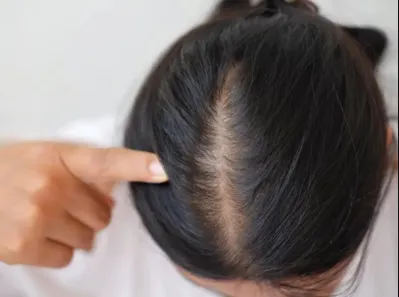
Hair loss is something that can catch you off guard. One day, you’re brushing your hair, and suddenly there’s more in the brush than usual. It’s not just about the hair, it’s about how it makes you feel. Whether it’s a little thinning or something more noticeable, hair loss is a common experience, and understanding it can help you take charge. Let’s dive into why it happens and what you can do about it.
Contents
Why Does Hair Loss Happen?
Hair loss doesn’t just show up out of nowhere—it’s usually tied to something going on in your life or body. Here are some of the main reasons it might be happening:
- Genetics: If your family has a history of thinning hair, you might notice it too. This is called androgenetic alopecia, and it’s the most common cause. For men, it might mean a receding hairline; for women, it’s often a wider part or thinner crown.
- Stress: Big life changes—like a tough job or a loss—can make your hair shed more than usual. It’s temporary for most people, but it can still feel alarming while it’s happening.
- Health Issues: Things like thyroid problems, hormonal shifts (think pregnancy or menopause), or even an autoimmune condition can lead to hair loss. If you suspect this, a doctor can help figure it out.
- Medications: Some drugs, like those for chemo or blood pressure, can cause hair to fall out as a side effect. It’s worth checking with your doctor if you think this might be the culprit.
- Hair Habits: Pulling your hair back too tight or overusing heat tools can damage it over time, leading to breakage or even permanent loss in some spots.
I’ve had my own scare with this—after a stressful move, I noticed clumps in the shower. It freaked me out, but once things calmed down, my hair started bouncing back. It’s wild how much our hair mirrors what’s going on with us!
How Hair Loss Feels
Losing hair isn’t just a physical thing—it hits you emotionally too. You might feel less confident or worry about what people think when they look at you. It’s normal to feel frustrated when shampoos or quick fixes don’t work. For a lot of folks, it’s a quiet struggle, but talking about it with someone you trust can lighten the load. You’re not alone in this—millions deal with it every day.
What You Can Do About It
The good news? There are ways to manage hair loss, from small changes to bigger steps. Here’s a rundown of what might help:
Lifestyle Tweaks
- Eat Better: Hair loves nutrients like protein, iron, and vitamins. Load up on eggs, leafy greens, or salmon. If you’re low on something like vitamin D, a supplement might help (but check with a doctor first).
- Chill Out: Stress is a big trigger, so finding ways to relax—like a walk or some deep breaths—can slow the shedding. It worked for me when I started journaling to unwind.
- Go Easy on Your Hair: Skip tight ponytails and give the blow-dryer a break sometimes. A gentler routine can prevent extra damage.
Medical Options
If you want to dig deeper, a doctor or dermatologist can offer treatments like:
- Minoxidil: This is a liquid or foam you rub into your scalp to encourage growth. It’s over-the-counter and works for some people.
- Prescriptions: For more stubborn cases, something like finasteride might be an option (mostly for men).
- PRP Therapy: They use your own blood to boost hair growth—sounds intense, but it’s pretty cool and natural.
Cosmetic Fixes
While you’re sorting out the root cause, there are quick ways to feel better about how you look:
- Hair Extensions: If you’ve still got some hair to work with, these can add volume or cover thinner spots. Just keep them light so they don’t stress your scalp more.
- Wigs and Toppers: These are awesome for bigger areas of loss. Wigs cover everything, while hair toppers blend with what you’ve got. They’re super versatile—I’ve seen friends rock them and look amazing.
- Powders or Sprays: These hide thinning by coloring your scalp. They’re cheap and wash out when you’re done.
Moving Forward
Hair loss can feel like a lot to handle, but you’ve got options. Start with what feels right for you—maybe it’s eating better or trying a topper for a confidence boost. If you’re curious about treatments, a chat with a pro can point you in the right direction. And hey, if you just need a day to vent about it, that’s okay too. Your hair doesn’t define you—it’s just one part of your story.
Take it step by step, and you’ll find what works. Whether it’s growing it back or embracing a new look with wigs, you’re still you, and that’s what counts.