

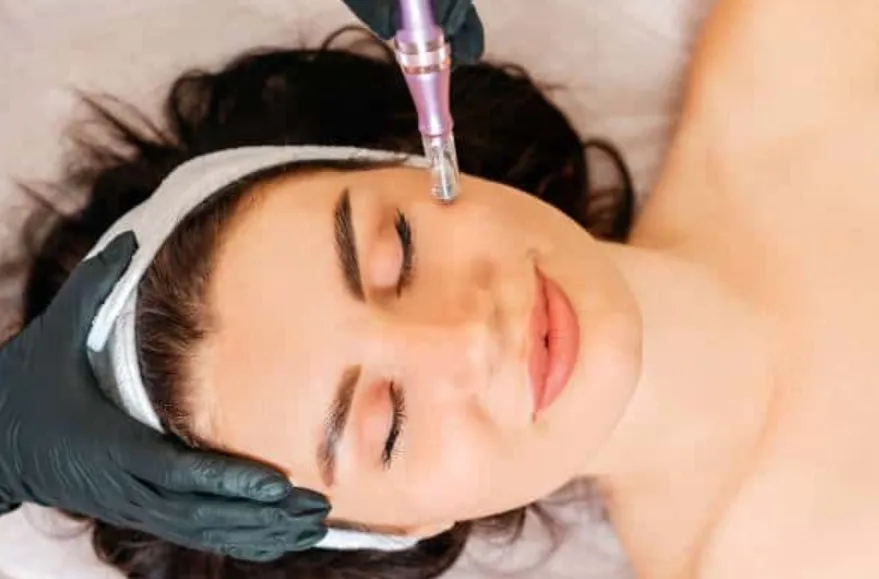
In recent years, the quest for youthful, radiant skin has seen remarkable advancements in the realm of cosmetic dermatology. One of the techniques at the forefront of this revolution is the emergence of microneedling pens, a minimally invasive solution to rejuvenate skin and address a myriad of aesthetic concerns. This innovative procedure has garnered widespread attention for its efficacy in improving skin texture and tone, demonstrating the power of modern technology to transform skincare routines around the world.
Contents
The Mechanism Behind Microneedling Pens
Microneedling pens operate on a simple yet ingenious principle: by creating controlled micro-injuries to the skin, they trigger the body’s natural wound healing processes. This involves the stimulation of collagen and elastin production, two proteins intrinsic to the structure and elasticity of the skin. As new collagen forms, the skin becomes firmer, smoother, and more even in tone, diminishing the appearance of fine lines, wrinkles, and scars.
The Evolution of Microneedling Devices
The world of microneedling began with dermarollers, handheld devices covered with tiny needles that were manually rolled over the skin. While effective, these early tools were often outperformed by their successor, the microneedling pen. These modern devices offer greater precision, safety, and comfort, revolutionising how dermatologists and aestheticians approach skin rejuvenation.
Advantages of Microneedling Pens over Traditional Treatments
The benefits of using a microneedling pen surpass those of traditional cosmetic procedures in many respects. Unlike laser treatments that rely on heat, microneedling pens reduce the risk of hyperpigmentation, particularly in individuals with darker skin tones. Moreover, the adjustable needle lengths enable customised treatments tailored to each client’s unique skin requirements, ensuring optimum results are achieved.
How Microneedling Pens Optimise Skin Rejuvenation
Microneedling pens exemplify a holistic approach to skin health. By prompting the body’s innate repair processes, these devices assist in remodelling scar tissue and improving overall skin texture. Additionally, the channels created by the needles serve as conduits for deeper penetration of topical treatments, potentially enhancing their efficacy and promoting optimal skin nutrition.
Addressing a Spectrum of Skin Concerns
The versatility of microneedling pens is one of their most appealing attributes. Suitable for all skin types, these pens are adept at rectifying a range of skin issues. From erasing acne scars and fading age spots to refining enlarged pores and softening stretch marks, microneedling pens provide a comprehensive solution for individuals desiring to improve their skin’s aesthetic.
The Convenience and Accessibility of Microneedling Pens
Another pivotal factor contributing to the popularity of microneedling pens is the procedure’s convenience. Treatments are relatively quick and can be performed in a clinical setting with minimal downtime required. This accessibility has allowed many individuals to incorporate microneedling into their regular skincare regimens, making professional-grade rejuvenation more attainable than ever before.
Combining Microneedling Pens with Other Treatments
Many professionals employ microneedling pens in conjunction with other cosmetic therapies to amplify skin rejuvenation outcomes. When used alongside serums, hyaluronic acid, or platelet-rich plasma (PRP), microneedling can significantly enhance the absorption and impact of these complementary treatments. Some individuals also incorporate a moringa supplement into their routine to support skin health from within, thanks to its antioxidant and anti-inflammatory properties.
The Safety Profile of Microneedling Pens
When performed by a trained specialist, microneedling with a pen is considered a safe procedure for most individuals. However, it’s essential for providers to adhere to stringent sterilisation protocols and to use single-use, disposable needle cartridges to mitigate the risk of infection and cross-contamination.
What to Expect During and After Treatment
During a microneedling session, practitioners will typically apply a topical anaesthetic to minimise discomfort. The pen’s fine needles gently puncture the skin, inducing the rejuvenative cascade. Post-treatment, patients may experience mild redness and swelling akin to a sunburn, which typically resolves within a few days. Following proper aftercare guidelines, such as avoiding sun exposure and applying recommended skincare products, is crucial for optimal healing.
Choosing the Right Microneedling Pen Provider
With an array of devices on the market, selecting a reputable microneedling pen provider is vital. Professionals are advised to choose FDA-cleared, high-quality devices from esteemed manufacturers to ensure client safety and efficacy of treatments.
Future Prospects of Microneedling Pens in Skin Care
The advancement of microneedling pens shows no signs of slowing down, with ongoing research suggesting these devices will continue to evolve. The potential for wireless, AI-integrated pens and other innovations may further streamline the treatment process and elevate the precision of skin rejuvenation.
Conclusion
Microneedling pens have indisputably shifted the paradigm of skin rejuvenation. As this technology continues to mature, it promises to expand the capabilities of cosmetic practitioners, offering safe and effective ways to achieve healthy, radiant skin. For those considering introducing this modality to their skincare practice, the adoption of a premium microneedling pen could mark a transformative step in meeting the growing demand for non-surgical aesthetic enhancements.