

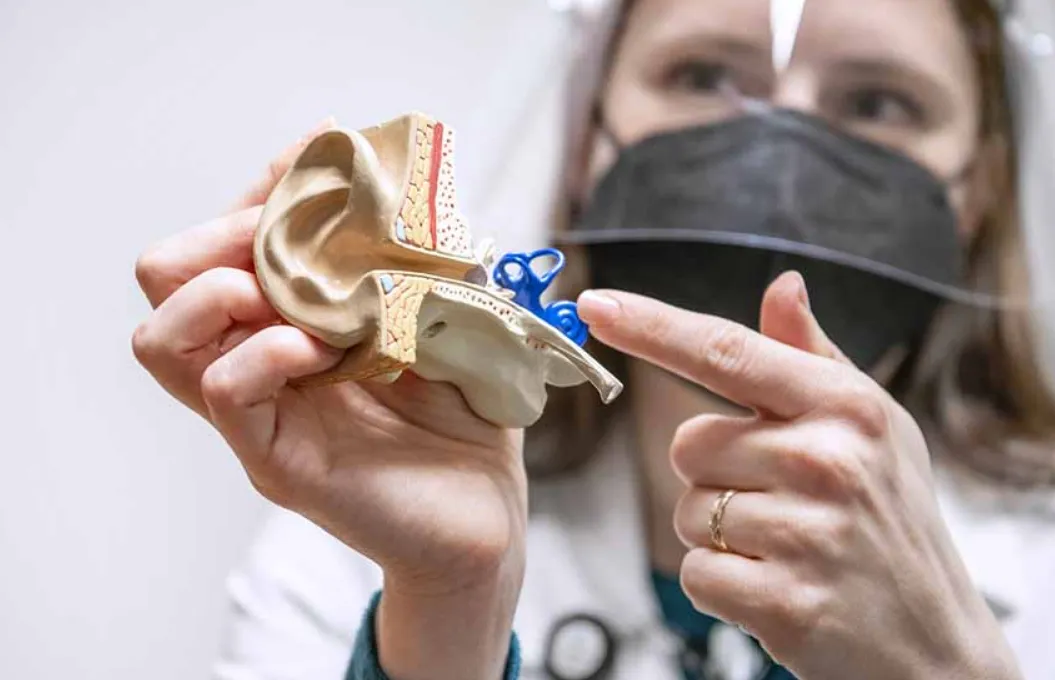
Tinnitus, a condition characterized by ringing, buzzing, or other phantom sounds in the ears, can significantly impact a person’s quality of life. The constant noise can affect hearing, concentration, and overall well-being. While there are various remedies available, seeking professional care from a specialized expert is often the most effective way to manage and alleviate tinnitus symptoms. If you’re searching for professional tinnitus care near me, there are several factors to consider to ensure you choose the right specialist. This article will provide key insights on how to find the best care for your tinnitus.
Understanding Tinnitus and Its Impact
Tinnitus is not a disease in itself but a symptom of an underlying issue, such as hearing loss, ear injury, or a circulatory system disorder. The condition can manifest in various ways, such as a high-pitched ringing, a low hum, or a buzzing sound that only the individual can hear. Tinnitus can vary in severity, from being a minor annoyance to a chronic issue that interferes with daily life.
While some people might experience temporary tinnitus, others deal with persistent and disruptive symptoms. That’s why professional tinnitus care becomes essential to managing the condition effectively. If you’re struggling with tinnitus, finding the right care can make a world of difference in your ability to live comfortably and effectively manage the symptoms.
Why Seek Professional Tinnitus Care Near Me?
While it’s tempting to explore over-the-counter treatments or online remedies, professional tinnitus care offers comprehensive assessments, tailored treatments, and support from experts who are trained to address the underlying causes of tinnitus. By choosing a professional, you’ll gain access to specialized services, including hearing tests, auditory rehabilitation, sound therapy, and counseling, which can help you manage tinnitus in the long term.
Professional tinnitus care near me can help you identify the root cause of your tinnitus and provide treatments that are customized to your specific needs. Specialists in this field have access to advanced diagnostic tools and techniques that can pinpoint the cause of the condition and offer solutions that work for you.
Step 1: Identify Your Needs and Symptoms
The first step in choosing the right tinnitus care specialist is to evaluate your symptoms. Tinnitus can be caused by several different factors, such as hearing loss, head injuries, or exposure to loud noises. Some people experience a temporary ringing in their ears after attending a loud concert or event, while others may have chronic symptoms that worsen over time.
Your symptoms and how they impact your life should guide you in selecting a specialist. If your tinnitus is accompanied by hearing loss, you may want to prioritize finding an audiologist or otolaryngologist (ENT) who can assess your hearing and offer solutions. If the tinnitus is affecting your ability to concentrate or sleep, you might seek a professional who offers sound therapy or cognitive-behavioural therapy (CBT) to help alleviate the emotional and psychological toll.
Step 2: Look for Specialists with Tinnitus Expertise
Not all hearing care providers are equipped to address tinnitus specifically. It’s important to choose a professional who specializes in tinnitus care. Audiologists, otolaryngologists, and other healthcare professionals can provide tailored treatments for tinnitus when they have the right training and experience.
Seek specialists who have a solid background in tinnitus management. Ideally, they should have advanced certifications, training in tinnitus management, and experience working with patients who have similar symptoms. You can often find specialists who focus exclusively on tinnitus or offer services like hearing aid fittings, sound therapy, or tinnitus retraining therapy (TRT), which is an approach proven to help people habituate to tinnitus sounds over time.
Step 3: Check Reviews and Patient Testimonials
Before scheduling an appointment, it’s important to research the professional’s reputation and level of care. Reading online reviews and patient testimonials can provide valuable insights into their expertise and the effectiveness of their treatments.
If the specialist has been practicing for a while, they likely have a track record of successful outcomes. Look for feedback from other tinnitus patients who can share their experiences with the care provider. Positive testimonials, particularly from people with similar tinnitus symptoms, can be a good indicator of whether the specialist can meet your needs.
Step 4: Verify Credentials and Certifications
When it comes to healthcare professionals, certifications and credentials are important indicators of quality. For tinnitus care, an audiologist should have the appropriate certifications, such as a Doctor of Audiology (Au.D.), and ideally, additional training in tinnitus management.
Similarly, otolaryngologists or ENT specialists should have certifications in their respective fields and be familiar with the latest research and treatment modalities for tinnitus. A qualified professional will be up-to-date with the latest tinnitus management techniques, ensuring you receive the best care possible.
Step 5: Consider Treatment Options Offered
Tinnitus management is not a one-size-fits-all approach, which is why it’s crucial to understand the types of treatments the specialist offers. Many professionals offer a combination of treatments, such as:
- Cognitive-behavioural therapy (CBT): A form of counseling that helps change the way individuals think about their tinnitus, reducing distress.
- Sound therapy: Uses soothing background sounds to mask the ringing in the ears and help patients adapt.
- Tinnitus retraining therapy (TRT): A form of habituation therapy that helps patients gradually become less sensitive to the sound of tinnitus.
- Hearing aids: Often beneficial for those with hearing loss, hearing aids can amplify external sounds and reduce the perception of tinnitus.
- Medications: While there is no specific drug to cure tinnitus, some medications may help manage anxiety or depression associated with the condition.
Choosing a specialist who offers a variety of treatment options can be beneficial, as they can tailor the approach based on your specific symptoms and needs.
Step 6: Evaluate Location and Accessibility
The location of the tinnitus care specialist is another important factor to consider. It’s essential that the clinic is easily accessible, particularly if you need to visit frequently for treatments. Check for offices that are located near you, as having convenient access to care can make the process more comfortable and less stressful.
Look for providers that offer flexible appointment scheduling, especially if you work or have other commitments. Accessibility can also refer to the ease of reaching the provider through phone calls or email for follow-up questions or support.
Step 7: Understand the Cost and Insurance Coverage
Professional tinnitus care can sometimes be expensive, so it’s important to understand the cost of treatment upfront. Some professionals may offer initial consultations at a lower cost or even free. However, more extensive treatments such as TRT or sound therapy can have higher fees. Be sure to inquire about the costs of treatments and whether they accept your insurance.
Check if your insurance covers tinnitus care, as this will significantly reduce your out-of-pocket expenses. If you do not have insurance coverage, inquire about payment plans or other financial options available.
Finding Relief from Tinnitus
Tinnitus can be a frustrating and exhausting condition, but finding the right specialist can help bring relief and improve your quality of life. By carefully considering your symptoms, researching specialists, and understanding treatment options, you can make an informed decision about your care.
Choosing the right professional tinnitus care near me ensures that you receive personalized, expert treatment tailored to your specific needs. Whether it’s through counseling, sound therapy, or hearing aids, a dedicated specialist can help you manage your tinnitus effectively and restore your sense of well-being.