

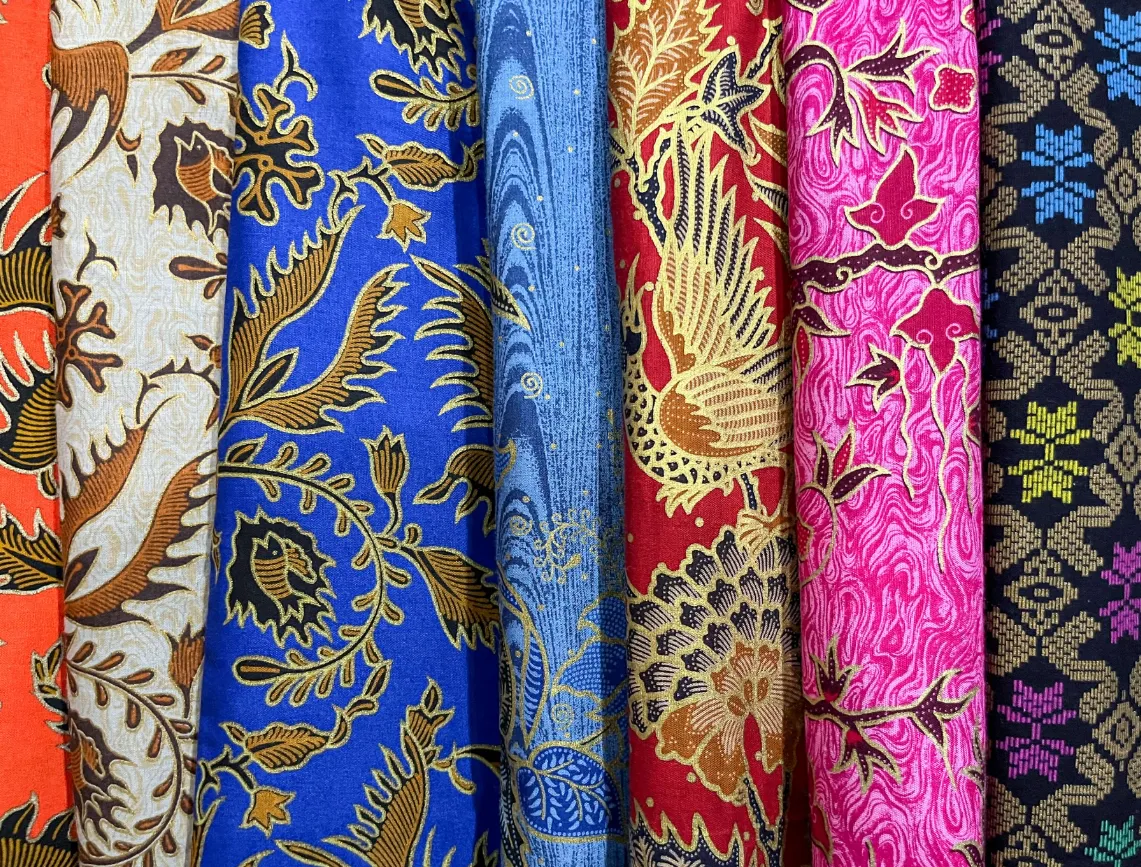
Whether you’re a beginner picking out your first project or a seasoned quilter building your stash, understanding fabric types is essential for success. Each fabric brings unique qualities, texture, weight, drape, and design, that impact how your project looks and performs. From the bold beauty of batiks to the reliability of cotton basics, here’s a guide to help you navigate the fabric aisle with confidence.
Quilter’s Cotton: The Industry Standard
Let’s start with the most common option, quilting cotton. Often referred to as “quilter’s cotton” or “cotton broadcloth,” this 100% cotton fabric is tightly woven, soft, and easy to work with. It’s ideal for patchwork quilts, home décor, and beginner-friendly sewing projects. Most quilting cottons are 44–45 inches wide and come in thousands of prints and solids.
Why it’s great:
- Easy to cut and sew
- Wide range of colors and patterns
- Pre-shrunk and colorfast when high quality
Tip: Look for premium brands or shop at reputable quilt shops to ensure the cotton is tightly woven and durable.
Batiks: Artistry in Every Yard
Batiks are known for their vibrant colors and unique, hand-dyed patterns. Originating from Indonesia, these fabrics are made by applying wax designs to the fabric before dyeing it in layers. The result is a marbled or watercolor-like effect with a tighter weave and crisper texture than standard cotton.
Why it’s great:
- Stunning, rich colors that don’t fade easily
- Minimal fraying due to tight weave
- Ideal for detailed piecing and appliqué
Keep in mind: Batiks tend to have less stretch and a stiffer feel, making them perfect for precision sewing but sometimes less forgiving for curves or garments.
Flannel: Soft and Cozy
If you’re aiming for comfort and warmth, flannel is a popular choice. Made from cotton (and sometimes blended with synthetics), flannel is brushed to create a soft, fuzzy surface. It’s perfect for baby quilts, winter throws, pajamas, and rag quilts.
Why it’s great:
- Extra warmth and softness
- Great for cozy or layered projects
Watch out: Flannel can shrink more than quilting cotton and may fray more easily, so prewashing is a must.
Linen and Linen Blends: Textured Elegance
Linen and linen-cotton blends bring a textured, natural look to quilting and sewing projects. They’re breathable, slightly heavier, and offer a unique drape.
Why it’s great:
- Natural feel and durability
- Adds visual interest through texture
Keep in mind: Linen can wrinkle easily and may require extra pressing during piecing.
Specialty Fabrics: Know When to Use Them
Fabrics like silk, velvet, minky, and canvas are sometimes used for specific design effects. They offer interesting textures and finishes but require advanced skills or special tools.
Conclusion
Understanding fabric types is the first step toward more confident, creative sewing. Whether you’re drawn to the bold colors of batiks or the comfort of flannel, knowing the strengths and challenges of each fabric helps you choose the right material for every project. From basics to batiks, your fabric choice sets the tone for your quilting journey, one stitch at a time.