

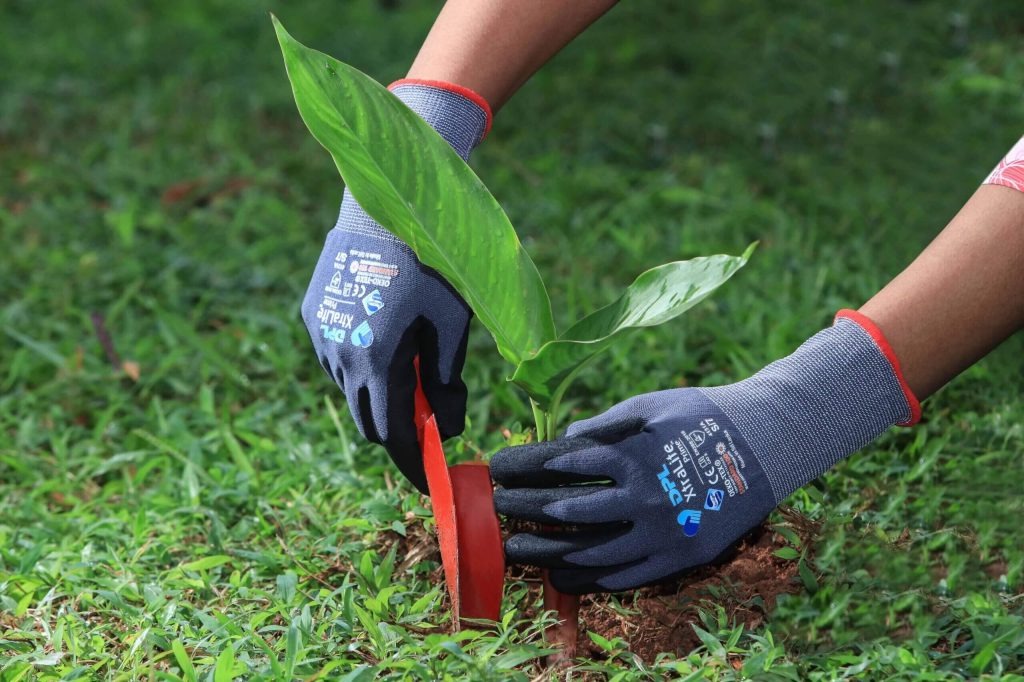
In today’s interconnected world, global supply chains are under more scrutiny than ever before. Customers, investors, regulators, and employees all want to know not just what companies produce, but how they produce it. For manufacturers in the personal protective equipment (PPE) sector, this responsibility is even greater, as their products directly impact worker safety, public health, and environmental outcomes.
A sustainable glove manufacturer plays a critical role in aligning industrial production with Environmental, Social, and Governance (ESG) goals. From responsible sourcing of raw materials to ethical labor practices and transparent governance, glove manufacturing has evolved far beyond basic compliance. Today, it has become a strategic driver of sustainability across global value chains.
Within the first steps of this transformation, sustainable glove manufacturers demonstrate how thoughtful production choices can reduce environmental impact, protect human rights, and build long-term trust across international markets. This article explores how such manufacturers actively support ESG goals across complex global supply chains, while creating lasting value for businesses and communities alike.
Contents
- 1 Understanding ESG in the Context of Global Glove Manufacturing
- 2 Environment: Reducing Footprint from Raw Materials to Finished Gloves
- 3 Social Responsibility: Protecting Workers and Empowering Communities
- 4 Governance: Transparency, Ethics, and Accountability Across Borders
- 5 Supply Chain Traceability and Responsible Sourcing
- 6 Supporting Customers’ ESG and Compliance Requirements
- 7 Innovation as a Long-Term ESG Enabler
- 8 Building Resilient and Future-Ready Global Supply Chains
- 9 Conclusion
Understanding ESG in the Context of Global Glove Manufacturing
ESG is no longer a reporting checkbox; it is a business framework that shapes decision-making across operations, sourcing, logistics, and partnerships. For glove manufacturers operating across borders, ESG considerations influence every stage of the supply chain.
Environmental factors focus on how raw materials are sourced, how energy and water are consumed, and how waste is managed. Social factors address worker safety, fair wages, diversity, and community engagement. Governance factors ensure ethical leadership, compliance, transparency, and accountability at every level of the organization.
In glove manufacturing, these three pillars are deeply interconnected. A decision to source responsibly impacts environmental performance, worker livelihoods, and governance oversight simultaneously. Manufacturers that understand this interdependence are better equipped to build resilient, future-ready supply chains.
Environment: Reducing Footprint from Raw Materials to Finished Gloves
Environmental responsibility begins long before a glove reaches the end user. Sustainable glove manufacturers prioritize responsible raw material sourcing, often focusing on renewable or responsibly managed inputs while minimizing dependence on high-impact materials.
Energy efficiency is another critical area. Modern manufacturing facilities increasingly rely on energy-efficient machinery, process optimization, and cleaner energy sources to reduce greenhouse gas emissions. Water stewardship also plays a major role, especially in regions where water scarcity is a growing concern. Closed-loop water systems, wastewater treatment, and reuse programs help minimize environmental stress.
Waste management is equally important. Instead of viewing waste as an unavoidable byproduct, forward-thinking manufacturers treat it as a resource opportunity. Scrap materials are reused or recycled where possible, packaging is optimized to reduce plastic use, and landfill dependency is steadily reduced. These practices not only support environmental ESG goals but also improve operational efficiency and cost control.
Social Responsibility: Protecting Workers and Empowering Communities
At the heart of glove manufacturing are the people who make it possible. A sustainable glove manufacturer places worker wellbeing at the center of its social responsibility efforts, especially across geographically diverse supply chains.
This starts with safe working conditions. PPE manufacturing facilities must uphold high standards of occupational health and safety, ensuring employees are protected from physical, chemical, and ergonomic risks. Regular training, safety audits, and continuous improvement programs are essential components of this commitment.
Fair labor practices extend beyond safety. Ethical manufacturers ensure fair wages, reasonable working hours, and non-discriminatory employment practices across all operations. This is particularly important in global supply chains, where labor standards can vary significantly between regions.
Community engagement is another key social pillar. Many sustainable manufacturers invest in local development initiatives, including education, healthcare access, and skills training. By strengthening the communities where they operate, they create a more stable workforce and contribute to long-term social progress rather than short-term extraction.
Governance: Transparency, Ethics, and Accountability Across Borders
Strong governance is what ties environmental and social efforts together into a credible ESG strategy. For global glove manufacturers, governance ensures that sustainability commitments are not just promises, but measurable, enforceable actions.
Ethical sourcing policies are a cornerstone of good governance. These policies define expectations for suppliers regarding labor standards, environmental practices, and legal compliance. Supplier audits, third-party assessments, and corrective action plans help ensure that these standards are consistently upheld across the supply chain.
Transparency is equally vital. Clear reporting on sustainability performance, risk management, and compliance builds trust with customers and stakeholders. Governance frameworks also include anti-corruption measures, data protection policies, and clear accountability structures at board and management levels.
By embedding ESG into governance systems, manufacturers ensure that sustainability is integrated into decision-making rather than treated as a separate initiative.
Supply Chain Traceability and Responsible Sourcing
One of the biggest ESG challenges in global manufacturing is supply chain visibility. Sustainable glove manufacturers invest heavily in traceability systems that allow them to track materials from origin to finished product.
Traceability enables responsible sourcing by identifying risks related to environmental damage, labor exploitation, or regulatory non-compliance. It also allows manufacturers to respond quickly to disruptions, whether caused by geopolitical issues, climate events, or regulatory changes.
Digital tools, supplier scorecards, and long-term partnerships play a critical role in building transparent supply networks. Rather than constantly switching suppliers based on price alone, ESG-focused manufacturers prioritize long-term collaboration with partners who share their sustainability values.
Supporting Customers’ ESG and Compliance Requirements
Sustainable glove manufacturers do not operate in isolation; they are part of their customers’ ESG ecosystems. Many buyers, particularly in healthcare, industrial, and export-driven sectors, face strict sustainability and compliance requirements of their own.
By aligning manufacturing practices with recognized ESG principles, glove manufacturers help customers reduce their Scope 3 emissions, meet ethical sourcing commitments, and strengthen their own sustainability reporting. This creates a powerful ripple effect, where responsible manufacturing practices extend far beyond a single organization.
In this way, sustainability becomes a shared value rather than a competitive differentiator alone.
Innovation as a Long-Term ESG Enabler
Innovation is a key driver of sustainable manufacturing. Research into material efficiency, product durability, and process optimization allows glove manufacturers to reduce resource use while maintaining performance standards.
Longer-lasting gloves, for example, reduce consumption and waste over time. Smarter production planning minimizes excess inventory and transportation emissions. Continuous innovation ensures that ESG improvements are not one-off projects, but an ongoing journey aligned with business growth.
Building Resilient and Future-Ready Global Supply Chains
Ultimately, ESG is about resilience. Supply chains that respect environmental limits, protect people, and operate transparently are better equipped to withstand shocks, adapt to regulatory changes, and maintain stakeholder trust.
A sustainable glove manufacturer understands that long-term success depends on balancing profitability with responsibility. By embedding ESG principles across global supply chains, they create value that extends beyond financial performance, benefiting workers, communities, customers, and the planet.
Conclusion
As ESG expectations continue to rise, the role of glove manufacturers in global supply chains is evolving rapidly. No longer defined solely by production output, leading manufacturers are now judged by their environmental stewardship, social impact, and governance integrity.
A sustainable glove manufacturer supports ESG goals by reducing environmental footprint, safeguarding worker wellbeing, enforcing ethical governance, and promoting transparency across borders. Through responsible sourcing, innovation, and long-term partnerships, these manufacturers demonstrate that sustainability and operational excellence can go hand in hand.
In doing so, they help shape stronger, more resilient global supply chains—ones that are not only efficient and reliable, but also ethical, accountable, and future-ready.