

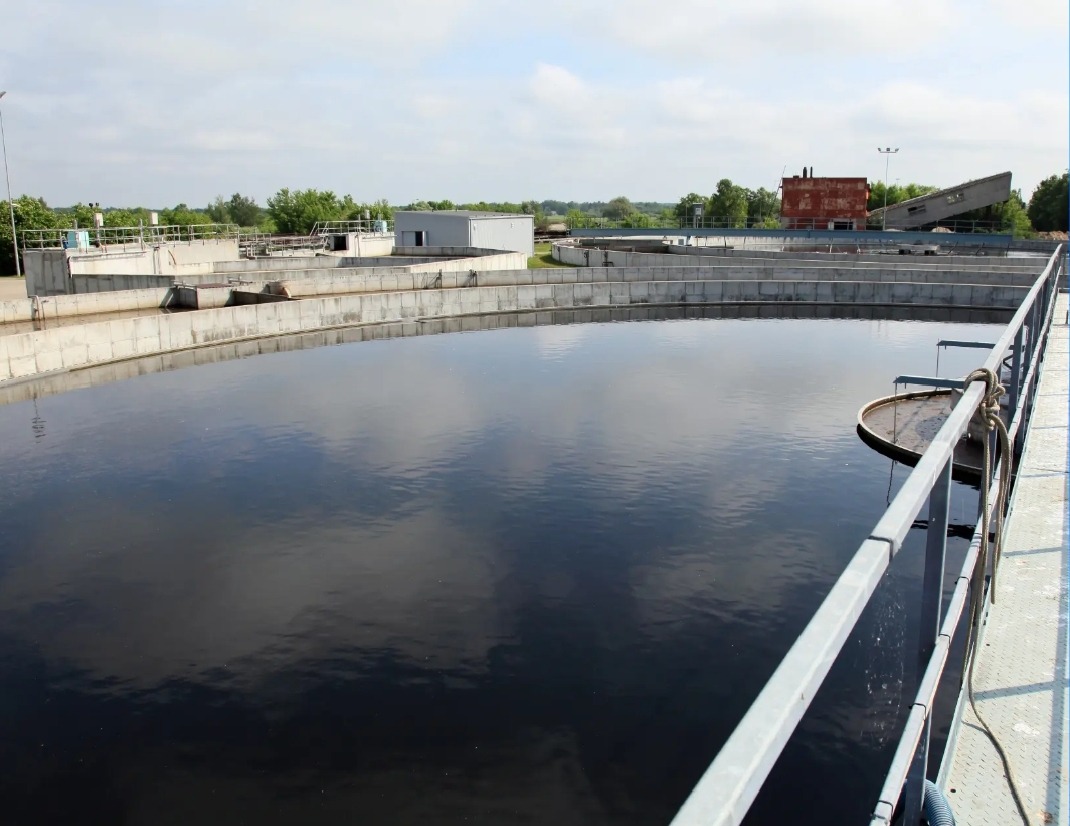
Per- and polyfluoroalkyl substances (PFAS), commonly known as “forever chemicals,” have become a growing environmental and public health concern. These man-made compounds are incredibly resistant to degradation, leading to long-term contamination of water, soil, and living organisms. Fortunately, one of the most effective methods for removing PFAS from water systems is through activated carbon adsorption — a proven and sustainable purification process widely used across industrial and municipal treatment facilities.
In this article, we’ll explore how activated carbon works at the molecular level, the factors that affect PFAS removal efficiency, and why using high-quality activated carbon for PFAS removal ensures lasting purification results and regulatory compliance.
Contents
- 1 Understanding PFAS and Why They’re So Persistent
- 2 What Is Activated Carbon and How Does It Work?
- 3 The Science Behind PFAS Adsorption
- 4 Key Factors Influencing PFAS Removal Efficiency
- 5 Granular vs. Powdered Activated Carbon: Choosing the Right Type
- 6 Regeneration and Sustainability in PFAS Treatment
- 7 Emerging Trends in PFAS Treatment Technologies
- 8 Why Activated Carbon Remains the Gold Standard
- 9 Conclusion
Understanding PFAS and Why They’re So Persistent
PFAS are a group of synthetic chemicals that include compounds like PFOA, PFOS, and GenX. They are used in countless products such as non-stick cookware, waterproof clothing, and firefighting foams. Their molecular structure, made up of strong carbon-fluorine (C–F) bonds, makes them resistant to heat, water, and oil — but also to natural degradation processes.
Because these compounds don’t easily break down, they accumulate in the environment and even in human bodies over time. Studies have linked PFAS exposure to various health issues including thyroid dysfunction, liver damage, immune system suppression, and increased cancer risk. Therefore, removing PFAS from drinking water and wastewater streams has become a global priority.
What Is Activated Carbon and How Does It Work?
Activated carbon is a highly porous form of carbon created from natural raw materials such as coconut shells, wood, or coal. Through a process called activation, the raw material is heated in the presence of steam or certain chemicals to create an extensive network of microscopic pores. These pores give activated carbon its immense surface area — often exceeding 1,000 square meters per gram.
The power of activated carbon lies in its adsorptive capacity. Unlike absorption, where substances are taken into a material, adsorption happens when molecules adhere to a solid surface. PFAS molecules, being organic compounds with hydrophobic (water-repelling) characteristics, are naturally drawn to the surface of activated carbon, especially within its micropores.
The Science Behind PFAS Adsorption
At a molecular level, PFAS removal by activated carbon is governed by hydrophobic interactions and electrostatic attraction. PFAS molecules contain both hydrophobic fluorinated tails and hydrophilic (water-attracting) heads. When water passes through a carbon filter, the hydrophobic tail of the PFAS molecule is attracted to the non-polar carbon surface, while the polar head interacts less strongly — allowing the PFAS to stick to the carbon surface.
Over time, as more PFAS molecules attach themselves, the available adsorption sites decrease, and the carbon bed eventually becomes saturated. At that point, the carbon must be replaced or reactivated to maintain efficiency.
Granular Activated Carbon (GAC) and Powdered Activated Carbon (PAC) are the two main forms used in PFAS treatment systems. GAC is ideal for continuous water filtration, while PAC is commonly used for batch or emergency treatments due to its faster response time.
Key Factors Influencing PFAS Removal Efficiency
Several factors influence how effectively activated carbon removes PFAS from water systems:
- PFAS Chain Length: Longer-chain PFAS compounds like PFOA and PFOS are more hydrophobic and therefore more easily adsorbed onto activated carbon. Short-chain PFAS (such as PFBA and PFBS) are more soluble in water and harder to capture, requiring advanced treatment designs or hybrid systems.
- Type of Activated Carbon: Coconut shell-based carbon is particularly effective due to its high density of micropores, which are ideal for trapping smaller organic contaminants. Coal-based carbons, on the other hand, offer more mesopores and may perform better for larger molecules.
- Contact Time: The longer the water remains in contact with the carbon, the higher the adsorption efficiency. This is known as Empty Bed Contact Time (EBCT) — a critical design factor in treatment systems.
- Competing Contaminants: Natural organic matter, oils, and other organic pollutants can occupy adsorption sites, reducing the available surface area for PFAS molecules. Pre-filtration or pre-treatment can help reduce this issue.
- Water Temperature and pH: Slight variations in temperature or pH can influence PFAS solubility and the overall adsorption process. Typically, cooler and neutral conditions favor adsorption.
Granular vs. Powdered Activated Carbon: Choosing the Right Type
Granular Activated Carbon (GAC) is the most widely used form in municipal water treatment systems. It offers a balanced performance between capacity, flow rate, and ease of regeneration. GAC filters can be used in fixed-bed columns, allowing for continuous operation and straightforward carbon replacement once breakthrough occurs.
Powdered Activated Carbon (PAC), with its finer particles, offers a larger surface area for immediate adsorption but cannot be regenerated. PAC is often used in emergency PFAS contamination events or in combination with other filtration systems to enhance removal rates.
Each type serves a unique purpose depending on system design, contamination level, and maintenance capacity.
Regeneration and Sustainability in PFAS Treatment
One major advantage of activated carbon technology is its regenerability. Once saturated, activated carbon can be thermally reactivated — a process that removes adsorbed contaminants and restores its surface area.
However, PFAS compounds are particularly stable and require high-temperature reactivation (typically above 1,000°C) to ensure complete destruction. Specialized facilities handle this process under controlled conditions to prevent re-emission of harmful gases.
This ability to regenerate carbon supports sustainable water treatment, reducing waste and long-term operational costs, making it both an environmentally and economically sound solution.
Emerging Trends in PFAS Treatment Technologies
While activated carbon remains one of the most reliable and proven methods, research continues into hybrid and next-generation technologies that can complement or enhance PFAS removal, such as:
- Ion Exchange Resins (IX): Designed to target both long and short-chain PFAS using charged polymeric surfaces.
- Membrane Filtration (RO/NF): Effective at separating even the smallest PFAS molecules but can be costly and produce concentrated waste streams.
- Electrochemical and Plasma Treatments: Promising for destroying PFAS completely rather than merely capturing them, though still under development for large-scale use.
These methods, when combined with high-performance activated carbon systems, can form a multi-barrier approach for comprehensive PFAS management.
Why Activated Carbon Remains the Gold Standard
Despite advancements in alternative methods, activated carbon adsorption continues to be the cornerstone of PFAS treatment due to its:
- Proven track record and extensive field data
- Adaptability to various system designs
- Cost-effectiveness and scalability
- Ability to target a broad range of organic contaminants
Its simplicity, efficiency, and reusability make it a top choice for both industrial and municipal applications seeking to meet increasingly stringent PFAS regulations.
Conclusion
Activated carbon adsorption is a scientifically validated and highly effective solution for eliminating PFAS from contaminated water. By leveraging its vast surface area and molecular affinity for organic compounds, it provides a sustainable way to combat one of the world’s most persistent pollutants.
As water quality standards tighten globally, investing in systems that utilize high-quality activated carbon for PFAS removal is no longer just an environmental choice — it’s a public health necessity. Through continued innovation and responsible implementation, activated carbon will remain a cornerstone of safe, clean, and PFAS-free water for generations to come.