

Most health choices don’t start with intention. They start with habits formed during the workday. How someone moves between tasks, how often they pause, how they respond to discomfort, and what they normalize over time all influence decisions made long after work ends. Awareness at work entails noticing patterns that repeat every day and recognizing how those patterns quietly shape physical and mental responses.
Modern workplaces create specific conditions. Screens dominate attention, schedules compress tasks into tight windows, and expectations reward output over observation. In this environment, awareness becomes a practical skill. People who notice what strains them, what drains them, and what supports them tend to make different choices over time.
Contents
Understanding Risks
Work-related strain often begins before the first task is completed. The way equipment is arranged, how tasks are sequenced, and how much physical demand exists in a role all shape exposure throughout the day. Awareness starts once workers understand what their role consistently demands from their bodies and attention. This recognition changes how they approach tasks rather than pushing through discomfort without question.
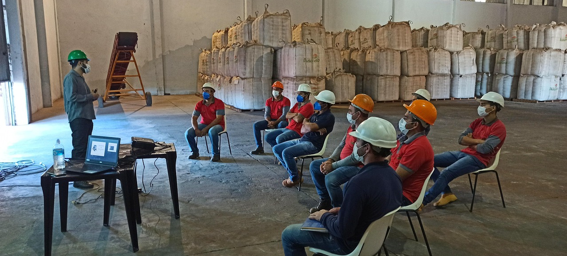
Some organizations actively reinforce this awareness through structured safety training that focuses on real task conditions instead of generic rules. This training helps workers recognize warning signs tied to posture, load handling, and environmental exposure. Knowledge gained through this process influences daily decisions such as pacing tasks, adjusting setups, or asking for support earlier rather than later.
Many organizations also rely on professionals who hold a bachelor’s degree in occupational health and safety online. Online education means these professionals continue working while developing advanced skills, which means they bring current workplace exposure alongside updated technical knowledge. Programs from Southeastern Oklahoma State University center on identifying hazards, applying safety principles, and improving workplace environments, not just theory. Courses typically cover risk assessment, safety regulation, ergonomics, and incident investigation. Such practical guidance helps employees recognize risks as part of routine work rather than after discomfort sets in.
Repetitive Motion Patterns
Repetitive movements rarely feel problematic in the moment. Clicking, typing, lifting, reaching, or scanning becomes automatic through repetition. However, these actions shape how muscles respond and where tension settles. Awareness develops once someone notices that certain movements repeat far more often than expected.
This awareness influences choices in subtle ways. Workers may begin alternating tasks, adjusting hand positioning, or changing how they approach repetitive actions. This recognition also affects decisions outside work. People who notice repetition during the day often become more mindful of movement during daily activities, choosing rest or variation rather than repeating strain unconsciously.
Air Quality and Workspace Conditions
Workspace conditions affect how people feel long before they affect performance. Stale air, inconsistent temperature, or poor lighting often show up as fatigue or difficulty focusing rather than obvious discomfort. Awareness begins once people connect how they feel during the day with the environment around them.
This awareness influences health-related choices in small but meaningful ways. People may choose to step outside briefly, reposition their workspace, or adjust daily routines to avoid prolonged exposure. Over time, noticing environmental patterns builds a habit of responding to physical cues rather than ignoring them.
Posture Habits
Posture is shaped by environment more than intention. Desk height, screen placement, seating support, and tool access all guide how bodies settle during work. As such, posture becomes habitual and fades from awareness until discomfort appears elsewhere.
Once someone recognizes how their workspace influences posture, adjustments feel purposeful rather than reactive. Posture awareness formed at work tends to reshape how people sit, stand, and move throughout the day.
Work Schedules and Daily Routines
Start times, break patterns, and workload distribution influence energy use and recovery. Awareness begins once individuals notice how their schedule affects alertness, movement, and routine consistency.
Individuals may adjust sleep timing, plan meals differently, or rethink how they recover between workdays. Recognizing schedule impact allows individuals to respond intentionally rather than forcing habits that do not align with their actual routine.
Stress Signals
Stress at work often shows up through physical and behavioral cues rather than clear labels. Tight shoulders during certain tasks, shallow breathing during meetings, or mental fatigue after repeated interruptions all signal strain building over time.
Recognizing stress signals influences how people respond during and after work hours. Some begin spacing tasks differently, taking short pauses before moving on, or adjusting how they approach high-pressure moments. Such awareness often carries into life outside work, shaping choices around rest, boundaries, and daily pacing.
Movement Levels
Each job role creates a specific movement pattern. Some roles involve long periods of sitting, while others require standing, walking, or repetitive physical tasks. Awareness starts once individuals recognize how much movement their role actually involves across a typical day.
This recognition influences choices related to activity outside work. People who notice long periods of inactivity may seek movement during breaks or after work. Those with physically demanding roles may prioritize recovery and rest.
Workplace Culture Influences
Expectations around availability, break-taking, communication style, and workload pacing influence how people act without explicit instruction. Awareness grows once individuals observe shared behaviors and patterns within their team.
Recognizing cultural influence allows people to make conscious choices rather than default ones. Some may choose to step away during breaks, speak up about workload, or reset boundaries around availability.
Eating Habits at Work
Eating habits at work often follow routine rather than hunger or intention. Meeting schedules, workload flow, and accessibility shape when and how people eat during the day. Awareness begins once individuals notice recurring patterns tied to their work structure.
This awareness influences choices around preparation, timing, and consistency. Some people adjust meal planning to fit their schedule more realistically. Others become more mindful of how workday pacing affects appetite.
Awareness at work develops through attention to daily patterns rather than broad initiatives. Movements, environments, schedules, and interactions all leave signals that guide behavior over time. Once those signals are noticed, health-related choices tend to follow naturally.