

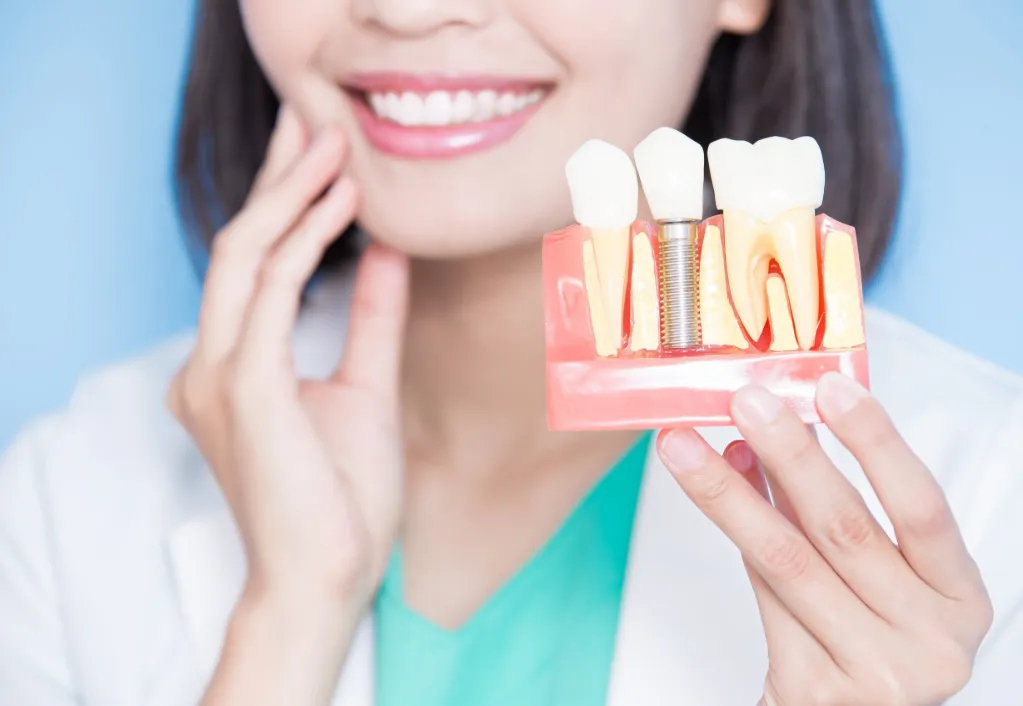
You may think cosmetic dentistry is only about looks, and implant dentistry is only about function. That split hurts people. Your smile is how you eat, speak, and face others each day. When teeth are missing, broken, or stained, you often hide. You avoid photos. You change how you chew. You may even change how you laugh. A San Ramon dentist can join cosmetic and implant care, so you do not have to choose between strength and appearance. First, your dentist restores the base with implants that act like roots. Next, your dentist shapes the visible teeth with crowns, bonding, or veneers. Together, these steps bring back your bite, your speech, and your confidence. This blog explains how both types of care support each other, what to expect during treatment, and how to know if this plan fits your needs.
Contents
Why missing teeth affect your whole life
Missing or damaged teeth do more than change a smile. They change daily life. You may stop eating certain foods. You may mumble or lisp. You may feel small in groups. These are not small problems. They touch health, work, and family time.
The mouth is part of your body. When gaps stay open, the jawbone shrinks. Nearby teeth move and trap food. Gums get sore. According to the National Institute of Dental and Craniofacial Research, many adults lose at least one tooth. You are not alone. You also do not have to stay stuck.
What implant dentistry does for you
Implant dentistry replaces the root of a lost tooth. The implant is a small post placed in the jaw. Over time, bone grows around it. Then the implant can hold a crown, bridge, or denture.
Implants help you in three key ways.
- You chew more foods and protect your digestion.
- You speak with clearer sounds and steady teeth.
- You keep jaw bone from shrinking after tooth loss.
The American Dental Association’s MouthHealthy site explains that implants can last many years with routine care. You still need brushing, flossing, and checkups. The implant is strong, yet the gum around it can still get infected if you skip care.
What cosmetic dentistry adds
Cosmetic dentistry focuses on how teeth look when you smile and talk. It also shapes how teeth touch when you bite. Many treatments are simple and quick. Some are part of a longer plan.
Common cosmetic treatments include three main groups.
- Whitening to remove stains from coffee, tea, or tobacco.
- Bonding to repair chips, cracks, or small gaps.
- Crowns and veneers to change shape, color, and strength.
When your teeth look even and clean, you tend to smile more. You may join more social events. You may feel ready for job interviews or school events. That emotional lift is real. It matters as much as chewing.
How cosmetic and implant dentistry work together
Implants and cosmetic care are strongest when used together. Think of three basic steps. First, you restore the base with implants. Next, you shape the bite. Then you match the color and look of the whole smile.
Here is how they often line up.
- Implants fill gaps and steady the jaw.
- Crowns on implants match nearby teeth in shape and height.
- Whitening or veneers make all teeth match in color.
This mix helps your mouth act like a full set of natural teeth. You can bite an apple. You can say words with clear “s” and “t” sounds. You can smile in photos without thinking about which side to hide.
Typical treatment sequence
Every mouth is unique. Still, many people move through a similar three-step path.
- Health check and plan. Your dentist checks your gums, bone, and remaining teeth. You review goals. You talk about cost and time.
- Implant placement and healing. The dentist places implants where teeth are missing. Bone heals around them over a few months.
- Cosmetic finishing. Crowns, bridges, or dentures go on the implants. Other teeth may get whitening, bonding, or veneers so the smile matches.
During this time, you still eat, talk, and work. Your dentist may use temporary teeth. These protect your look while you wait for healing.
Comparison of common options
This table shows how implants with cosmetic care compare to other ways to replace missing teeth.
| Treatment type | Stability when chewing | Bone support | Look of final smile | Typical daily care |
|---|---|---|---|---|
| Implant with crown | High | Helps keep bone | Matches nearby teeth | Brush, floss, clean around implant |
| Implant supported denture | High | Helps slow bone loss | Full arch looks even | Brush denture, clean implants and gums |
| Fixed bridge on natural teeth | Medium | No support under missing tooth | Can look natural | Brush, floss under bridge |
| Removable partial denture | Low to medium | No bone support | May show clips | Remove, brush, soak, clean gums |
Who may be a good candidate
Many adults can receive implants with cosmetic care. You may be a good match if three things are true.
- Your gums and general health are stable.
- You have enough jawbone or can receive bone grafting.
- You are ready to brush, floss, and see your dentist on a set schedule.
Children usually wait for implants until growth is near complete. Teens and young adults can ask about timing. Older adults can often receive implants if their health allows.
How to talk with your dentist
Honest talk with your dentist helps you get the right plan. You can ask three simple questions.
- What are my choices to replace these teeth now?
- How will each choice affect my chewing, speech, and look?
- What will care cost in money, time, and daily effort?
You can also bring photos of a past smile that you liked. That picture can guide the shape and shade of your new teeth.
Taking the next step
You do not need to accept pain, loose teeth, or a smile you avoid. Implants and cosmetic care together can restore strength and a natural look. The path takes planning and patience. It also gives you back daily comfort and social ease.
Reach out to your dentist and ask for a full mouth review. You deserve teeth that let you eat well, speak clearly, and smile without fear.