

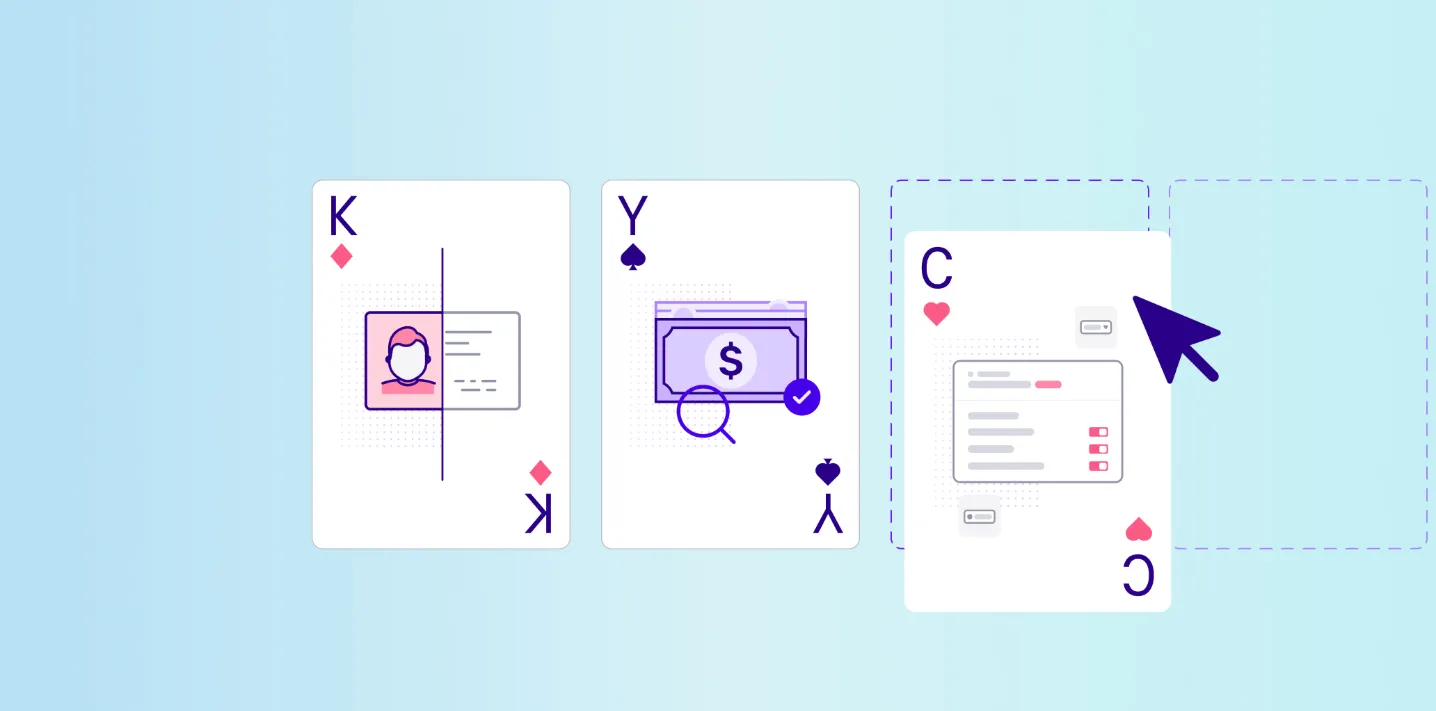
In 2025, the online casino industry continues to grow, and this expansion makes it very attractive to cybercriminals. This creates a number of challenges for operators and players. It opens the door to identity theft, fraud, and other illicit activities such as money laundering. Online gambling operators can’t afford not to use a reliable KYC solution.
Why online operators need a “Know Your Customer” (KYC) solution
Identity verification
When engaging in online gambling, operators have to make sure that individuals who sign up to play on their sites are who they say they are. When casinos follow the KYC procedures, it helps them from unwittingly facilitating crimes like money laundering. The process helps to prevent cybercriminals from exploiting online platforms for criminal purposes. Many platforms now use facial recognition and biometric scans to ensure individuals match the identity they provide.
Regulatory compliance
Many U.S. states have strict regulations in place to prevent activities like identity theft and money laundering. State regulators fine businesses that don’t protect customer information. All over the world, regulatory bodies are becoming much stricter about the enforcement of KYC processes. In 2024, global gambling industry fines reached more than $184 million.
Responsible gambling
KYC is also part of responsible gambling efforts. When operators know their customers, they are in a better position to pick up problems related to problem gambling and take measures to address them. It also helps to prevent underage gambling.
Risk profiling
Online operators need to identify the risks associated with each player. KYC can help them with this, so they can deal with risks before they escalate. Unusual financial activity and suspicious behavior are some red flags they look for.
Key data that online operators must collect
If you want to play at an online casino, you will have to supply the following information. There are good reasons for operators to collect this data.
- Your full legal name helps operators to match your identity with your name in official records.
- Your date of birth is important to online operators in order to prevent underage gambling.
- A government-issued ID card, passport, or driver’s license allows operators to cross-check with official databases.
- Operators need your residential address to ensure you are compliant with regional restrictions regarding gaming. They may request your utility bill or another proof of address.
Bank details confirm your financial worth and that you have the means to make deposits and withdrawals. Online operators will verify the payment information you provide and make sure it matches your identity. It usually involves linking a credit card or bank account to your online gambling account. Platforms will usually limit transactions until the process is complete. This helps to reduce the risks of fraudulent transactions.
Ongoing monitoring
For players who make large transactions or have high-risk accounts, ongoing monitoring can help identify suspicious activity. Advanced KYC protocols use transaction monitoring systems. They can alert operators to unusual activities, such as frequent account changes or an increase in deposits.
Data protection measures
Players don’t want to offer all that information without knowing it will be protected. Online operators must follow strict data protection measures. This includes storing it securely, encrypting it, and implementing access controls. A challenge of implementing KYC can be to find the balance between meeting the regulatory requirements and offering users a frictionless player experience.
Investing in technology to facilitate KYC
US gambling revenue keeps growing, and the allure is greater than ever for cyber criminals. Online operators need to invest in technologies that can improve their KYC processes. For example, automated solutions such as facial recognition and biometric scans can make identity verification much quicker.
KYC processes must also be optimized for mobile devices. This can help to offer the necessary security and compliance with regulations without making the process too burdensome for players.