

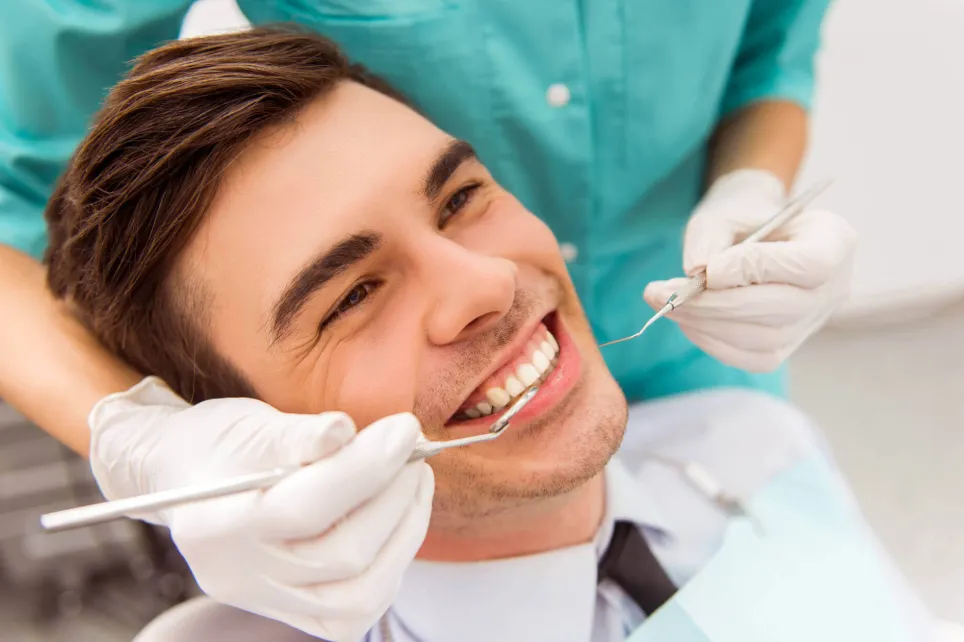
Families change. Teeth change. Your care plan should change too. A trusted family dentist understands that a toddler, a busy parent, and an aging grandparent need very different care. Yet you also need one clear plan that fits your whole family and your real life. A dentist in Surprise, AZ can study your habits, your health history, and your goals. Then you get simple steps that match each stage of life. Children need early checkups and calm visits. Teens need help with braces and sports injuries. Adults need steady care to stop pain before it starts. Older adults need support to keep chewing, speaking, and smiling. You should not guess about any of this. You deserve a plan that feels honest, specific, and possible. This guide explains how family dentists listen, review, and adjust so every generation feels seen and protected.
Contents
- 1 Why every age needs a different plan
- 2 Step 1: Listening to your family story
- 3 Step 2: Full checkup and simple tests
- 4 Different needs at each life stage
- 5 How dentists build one plan for the whole family
- 6 Key parts of a personalized plan
- 7 Helping anxious family members
- 8 Keeping the plan on track
- 9 Taking the next step for your family
Why every age needs a different plan
Your mouth changes as you grow. So your care must change too. A family dentist builds one plan that covers three simple goals.
- Protect new teeth
- Keep current teeth strong
- Support aging teeth and gums
Each age group faces different risks. The Centers for Disease Control and Prevention lists tooth decay, gum disease, and tooth loss as common problems. A clear plan aims at the problems that match your stage of life.
Step 1: Listening to your family story
A strong plan starts with listening. Your dentist will ask about three things.
- Medical history, such as diabetes or heart disease
- Family history of gum disease or tooth loss
- Daily choices, such as smoking, snacks, and sports
Each answer shapes your care. For example, a child who snacks often needs more focus on brushing and sealants. A grandparent with dry mouth from medicine needs help with saliva support and cavity checks.
Step 2: Full checkup and simple tests
Next comes a full look at your mouth. The dentist will
- Check teeth for soft spots, chips, and wear
- Check gums for swelling, bleeding, or loose teeth
- Review jaw joints and bite
- Use X rays when needed
The National Institute of Dental and Craniofacial Research explains that early tooth decay and gum disease often cause no pain. A careful exam finds problems early, so your plan can stay simple.
Different needs at each life stage
Your dentist then sorts needs by age. One family may hold a toddler, a teen, and a grandparent. Each person needs direct steps that fit today.
| Life stage | Main goals | Common steps in a plan |
|---|---|---|
| Young children | Build trust. Prevent early cavities. | Short visits. Fluoride. Sealants. Parent coaching. |
| Teens | Guide growth. Protect teeth during sports. | Braces checks. Mouthguards. Talk about soda and smoking. |
| Adults | Stop disease early. Protect work and family time. | Routine cleanings. Gum checks. Night guards for grinding. |
| Older adults | Preserve chewing. Ease pain. Support speech. | Denture checks. Dry mouth care. Tooth replacement options. |
How dentists build one plan for the whole family
A family dentist looks at your whole household together. That helps you save time and stay on track. Your plan often covers three parts.
- A shared schedule
- Age based care
- Home habits
First, a shared schedule means you can group visits. Children and parents may come on the same day. Older relatives may come during a calm time of day.
Second, age-based care means the dentist will adjust cleanings, X-rays, and treatments for each person. A teen with braces may need more cleanings. A grandparent with dentures needs checks for sore spots and fit.
Third, home habits keep the plan working between visits. Your dentist will show each family member clear steps for brushing, flossing, and food choices.
Key parts of a personalized plan
Most family plans include three core parts that change with age.
1. Prevention
- Fluoride for children with growing teeth
- Sealants on back teeth to block decay
- Sports mouthguards for active kids and teens
- Night guards for adults who grind teeth
2. Repair
- Small fillings before decay spreads
- Crowns when a tooth is weak
- Root treatment when a tooth is infected
3. Replacement
- Bridges to fill gaps
- Implants to replace lost teeth
- Dentures when many teeth are gone
Your dentist chooses from these steps based on your age, health, and goals. A plan for a teen will focus on guiding growth. A plan for a grandparent may focus on chewing and comfort.
Helping anxious family members
Fear can stop people from seeking care. A family dentist sees this often and uses three simple methods.
- Slow, clear talk before any treatment
- Short first visits for young children
- Signals so you can pause if you feel fear
This approach helps a child who cries in the chair. It also helps an adult who has had rough care in the past. Over time, trust grows, and visits feel calmer.
Keeping the plan on track
A plan only works if it stays current. Life changes. Health changes. Your dentist will review your plan at each visit and adjust when needed.
- New medicines can dry your mouth
- Pregnancy can change gum health
- New sports or jobs can affect your teeth
Each change is a reason to update your plan. That may mean more cleanings for a time. It may mean a new guard if you start a contact sport.
Taking the next step for your family
You do not need to sort out these choices alone. A steady family dentist can study your history, your daily life, and your fears. Then you receive a clear plan for each generation. Children gain healthy habits. Teens protect growing teeth. Adults prevent painful problems. Older adults keep chewing and speaking.
The first step is simple. Schedule a visit. Share your story. Ask for a written plan that covers each person in your home. Then follow three core actions. Keep your visits. Brush and floss as shown. Speak up when something changes. That is how a personalized plan protects every smile in your family.