

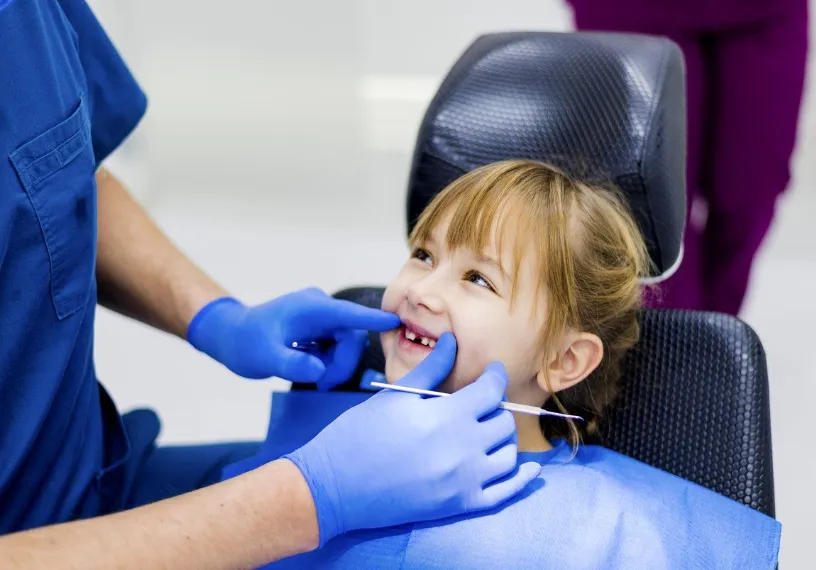
Your child’s smile tells a story long before braces go on. Family dentists read that story every time your child opens their mouth. They watch how new teeth break through, how baby teeth loosen, and how the jaws grow. They track these patterns at every checkup. Then they compare what they see to what should happen at each age. This close watch helps them act at the right time. Early action can prevent crowding, reduce pain, and shorten future treatment. It can also protect your child’s ability to chew, speak, and breathe with ease. In Orthodontics in Atascocita TX, timing is everything. A referral that comes too late can limit choices. A referral that comes too early can waste time and money. This blog explains how your family dentist spots warning signs and chooses the right moment to send your child to an orthodontist.
Contents
How Teeth Usually Come In
Your dentist uses a simple map of tooth growth. This map comes from long term research on when teeth usually erupt. Every tooth has a normal age range. Your dentist compares your child’s mouth to that map.
Here is a basic guide for permanent teeth. The timing can shift by a year and still be normal.
| Tooth | Usual Eruption Age | What Your Dentist Looks For |
|---|---|---|
| First molars | 6 to 7 years | Room for back teeth and stable bite |
| Central incisors (front teeth) | 6 to 8 years | Space between teeth and midline match |
| Lateral incisors | 7 to 9 years | Even height and correct angle |
| Canines | 9 to 12 years | Enough space to prevent impaction |
| Premolars | 10 to 12 years | Baby molars loosening on time |
| Second molars | 11 to 13 years | Back bite lining up on both sides |
What Your Dentist Checks At Each Visit
Your dentist does more than count teeth. Every visit helps build a story over time. Three key checks guide decisions about referral timing.
- Tooth count. Your dentist checks how many baby and permanent teeth are present. Missing or extra teeth change timing.
- Tooth order. Your dentist notes which teeth came in first. An out-of-order eruption can signal crowding or blockage.
- Jaw growth. Your dentist watches how the upper and lower jaws match. A mismatch here can cause bite problems that need early care.
X-rays help when the pattern looks off. They show teeth that have not erupted yet and reveal if a tooth is stuck or turned.
Early Warning Signs Your Dentist Tracks
Some patterns push your dentist to think about an orthodontic visit. You might not see these signs at home. Your dentist sees them in small shifts over time.
- Baby teeth that refuse to loosen while permanent teeth are trying to erupt
- Permanent teeth that come in twisted, blocked, or far behind the others
- Top teeth that bite behind lower teeth or stick out far in front
Your dentist also notes mouth breathing, snoring, or speech problems. These can link to jaw growth issues. Early orthodontic care can reduce those problems while the bones are still growing.
Why Timing Matters For Orthodontic Referrals
Growth gives your child free help. When a dentist times a referral well, the orthodontist can use natural growth to guide teeth. This can avoid tooth removal and shorten treatment.
Here are three common timing goals.
- Use growth spurts to correct jaw mismatch
- Open space before canines get trapped in the bone
- Fix crossbites early so they do not warp jaw growth
The American Association of Orthodontists suggests a first check by age 7.
Comparing Early, On Time, and Late Referrals
Your dentist aims for the middle. Not rushed. Not delayed. Here is how timing can change results.
| Referral Timing | Possible Benefits | Possible Risks |
|---|---|---|
| Too early | Close watch on growthChance to guide habits | Treatment that lasts many yearsCost without clear gain |
| On time | Use of natural growthFewer extractionsShorter treatment | Need for steady follow up |
| Too late | Growth is stable and easy to measure | Less chance to guide bone growthHigher chance of surgery or extractionsMore time in braces |
How You Can Support Eruption Monitoring
You play a strong role in this process. You do not need special tools. You only need a steady routine.
- Keep six-month checkups so your dentist can see slow changes
- Tell your dentist if your child complains of chewing pain or jaw clicking
- Share any thumb sucking, nail biting, or long-term pacifier use
Simple photos at home can help. Take a clear picture of your child’s smile once a year. You may notice changes that prompt an extra visit.
Working With Your Dentist And Orthodontist
When your dentist sees a concern, you will hear clear next steps. You might get a referral for a one-time orthodontic check. You might get a plan to recheck in six months. You might get advice to watch one tooth or one habit.
You can ask three simple questions.
- Which teeth or jaws worry you
- What are the risks if we wait
- What is the best age for an orthodontic visit for my child
Each answer grows your trust. You gain a clearer picture of your child’s future smile and bite.
Key Takeaway
Your child’s teeth do not just erupt. They follow a path. Your family dentist tracks that path with care. By watching eruption patterns, your dentist can time orthodontic referrals so treatment is shorter, safer, and less painful. Steady checkups, shared questions, and clear plans keep your child’s smile strong for life.