

A strong smile does more than look good. It helps you eat, speak, and breathe with ease. When teeth or jaws break down, you feel that loss in daily life. Oral surgery can restore what you lost. It can also shape how you look. You may think of surgery as a last step. Instead, it often lays the groundwork for both cosmetic and functional results. An oral surgeon in New Braunfels, TX can correct bone loss, remove damaged teeth, and prepare your mouth for implants or other care. Each step supports a natural look and steady bite. This blog explains how surgery supports appearance, comfort, and long term health. You will see how careful planning, precise treatment, and thoughtful follow up work together. You deserve a smile that works as well as it looks.
Contents
- 1 Why Function And Appearance Must Work Together
- 2 Common Oral Surgery Procedures That Shape Outcomes
- 3 Orthognathic Surgery And Jaw Alignment
- 4 How Oral Surgery Affects Facial Appearance
- 5 Functional Benefits You Can Feel Every Day
- 6 Comparing Treatment Paths
- 7 Planning, Recovery, and Your Role
- 8 When To Talk With An Oral Surgeon
Why Function And Appearance Must Work Together
Your mouth works like a small machine. Teeth, gums, and jaw joints must line up. When one part shifts, the whole system feels stress. You may notice:
- Uneven or worn teeth
- Jaw pain or headaches
- Trouble chewing certain foods
At the same time, missing or damaged teeth change facial shape. Lips lose support. Cheeks sink. You may hide your smile. Oral surgery helps rebuild the base so your teeth meet well and your face keeps its shape. Form and function move together. You need both.
Common Oral Surgery Procedures That Shape Outcomes
Different procedures support different goals. Many patients need a mix of three types of care.
1. Tooth Extraction
A tooth that cracks, decays, or infects nearby tissue can threaten health. Removing that tooth protects nearby teeth and bone. It also clears the way for a replacement tooth that looks natural.
The National Institutes of Health explains that untreated dental infection can spread and cause serious illness. You protect your body when you treat the source early.
2. Bone Grafting
After tooth loss, jaw bone shrinks. This shrinkage makes your face look older. It also makes it hard to place implants. Bone grafting adds support where bone has thinned. New bone grows and thickens. You gain strength for future teeth and support for facial shape.
3. Dental Implants
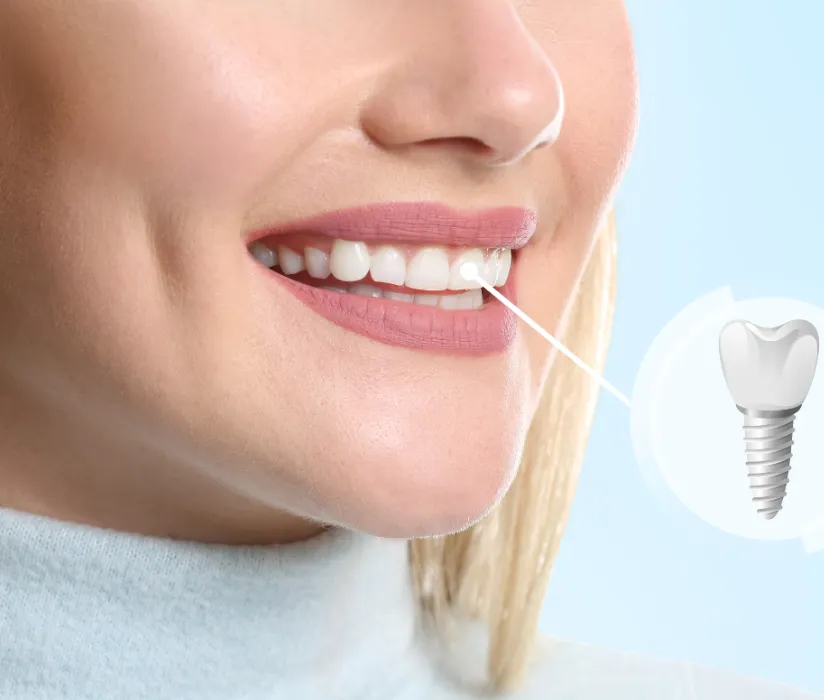
Dental implants replace tooth roots. The surgeon places a small post in the bone. Bone grows around the post. Your dentist then places a crown on top. The result looks like a tooth. It also works like a tooth. You can chew, speak, and smile with steady comfort.
Orthognathic Surgery And Jaw Alignment
Some people have jawbones that do not line up. You may notice:
- Chronic jaw pain
- Open bite or deep bite
- Chin that sticks out or falls back
Orthognathic surgery moves the jaw into a better position. Braces often support the process. The change can improve chewing, breathing, and speech. It can also balance facial features.
The American Association of Oral and Maxillofacial Surgeons states that jaw surgery can help with sleep apnea, TMJ problems, and bite function.
How Oral Surgery Affects Facial Appearance
Every cut and stitch affects how light and shadow fall on your face. Surgeons plan with care. They look at how your teeth support your lips and cheeks. They look at how your chin and jaw angle frame your smile. Three key cosmetic gains often follow.
- Restored support. Implants and grafts stop the “sunken” look that follows tooth loss.
- Balanced profile. Jaw surgery can even out an overbite or underbite.
- More even gumline. Some surgeries reshape gum and bone for a smooth smile line.
The goal is not a “perfect” face. The goal is a natural look that fits your features and age.
Functional Benefits You Can Feel Every Day
Cosmetic change may stand out first. Function change affects your daily life. After healing, you often notice three clear gains.
- Stronger chewing. You can eat a wider range of foods.
- Clearer speech. Teeth and jaw position shape how sounds form.
- Reduced pain. A balanced bite lowers strain on joints and muscles.
These gains support long-term health. You can choose healthier foods. You can speak with ease at work and at home. You may sleep better when jaw strain drops.
Comparing Treatment Paths
Different choices lead to different long-term results. This simple table shows how common options compare.
| Treatment | Main Purpose | Cosmetic Effect | Functional Effect | Typical Longevity |
|---|---|---|---|---|
| Tooth Extraction Only | Remove infection or damage | Gap in smile | Harder chewing on that side | Permanent loss |
| Denture | Replace many missing teeth | Improved smile, may shift over time | Better chewing than no teeth | 5 to 10 years with relines |
| Bridge | Replace one or a few teeth | Natural look when well matched | Good chewing on treated spot | 10 or more years with care |
| Single Implant | Replace one missing tooth | Very natural look | Stable chewing and bite support | Often 15 years or longer |
| Implant Supported Denture | Replace full arch with implants | Full smile, steady fit | Strong chewing and speech | Long term with upkeep |
| Orthognathic Jaw Surgery | Correct jaw position | More balanced face and profile | Improved bite, breathing, speech | Usually lifelong |
Planning, Recovery, and Your Role
Good results start before surgery. Your surgeon will:
- Review your health history
- Order images to study bone and tooth roots
- Explain options, risks, and likely results
Your role matters. You support healing when you:
- Follow all instructions on food, drink, and medicine
- Keep the surgery site clean
- Attend follow up visits on schedule
The Centers for Disease Control and Prevention stresses that strong oral health is connected to heart health and diabetes control. Caring for your mouth supports your whole body.
When To Talk With An Oral Surgeon
Consider a visit if you notice three or more of these signs:
- Loose or missing teeth
- Jaw pain or clicking
- Frequent biting of cheeks or tongue
- Trouble chewing or swallowing
- Changes in facial shape after tooth loss
You deserve clear facts and a plan that fits your needs. Oral surgery can support both how you look and how you live. With careful planning and steady follow-up, you can regain comfort, strength, and a smile that feels like yours again.