


Are you dealing with frustrating and sometimes disabling symptoms of hormonal imbalance? From constant cramps and mood swings to irregular cycles and fatigue, these problems can interrupt daily life. The good news: you don’t have to face these challenges alone.
Period coaching uses a natural, whole-body approach to understand and rebalance your hormones, going beyond quick fixes to address the root causes. By working with a period coaching expert, you can gain a deeper understanding of your body’s unique rhythms and take back your well-being.
Hormones are chemical messengers that are key for your health. They influence metabolism, sleep, mood, and reproductive function. When these signals slip out of sync, even a little, the effects can be big. This is where guidance from a period coach can be very helpful, offering a personal plan to bring your hormones back into balance.
Contents
- 1 What Is Period Coaching and How Does It Address Hormonal Imbalance?
- 2 Which Hormonal Imbalance Challenges Can Period Coaching Help Solve?
- 3 How Period Coaching Improves Hormonal Balance
- 4 What Happens in a Period Coaching Session?
- 5 Benefits of Working with a Period Coach for Hormonal Imbalance
- 6 Who Should Consider Period Coaching?
- 7 Practical Steps for Starting Period Coaching
- 8 Frequently Asked Questions About Period Coaching and Hormonal Health
What Is Period Coaching and How Does It Address Hormonal Imbalance?
What Is Period Coaching?
Period coaching, also called menstrual cycle or hormone coaching, is a form of health coaching that helps people with cycles understand, manage, and improve their menstrual health. It’s about more than easing symptoms; it builds a strong connection with your body’s natural rhythms. A trained coach provides education and support across the whole cycle, covering its phases, tracking methods, and the hormone ups and downs through the month.
This coaching helps you move toward a deeper understanding of your own cyclical nature, with personalized strategies to improve cycle and menstrual health. You learn to read your body’s signals and make daily choices that support hormone balance.
Key Differences Between Period Coaching and Traditional Approaches
Traditional care for period issues often targets symptoms, with birth control commonly prescribed for heavy bleeding or severe cramps. While birth control can be helpful at times, it often covers up the underlying hormone issues rather than resolving them. The “period” on birth control is a withdrawal bleed from synthetic hormones, not a true menstrual cycle.
Period coaching uses a natural, whole-body view. Instead of only quieting symptoms, it looks for and addresses the root causes of hormone disruption. This means looking closely at food, stress, sleep, and movement, all fit to your needs. The goal is lasting balance and better well-being by supporting your body’s own ability to steady your hormones.
Connection Between Menstrual Cycles and Hormonal Health
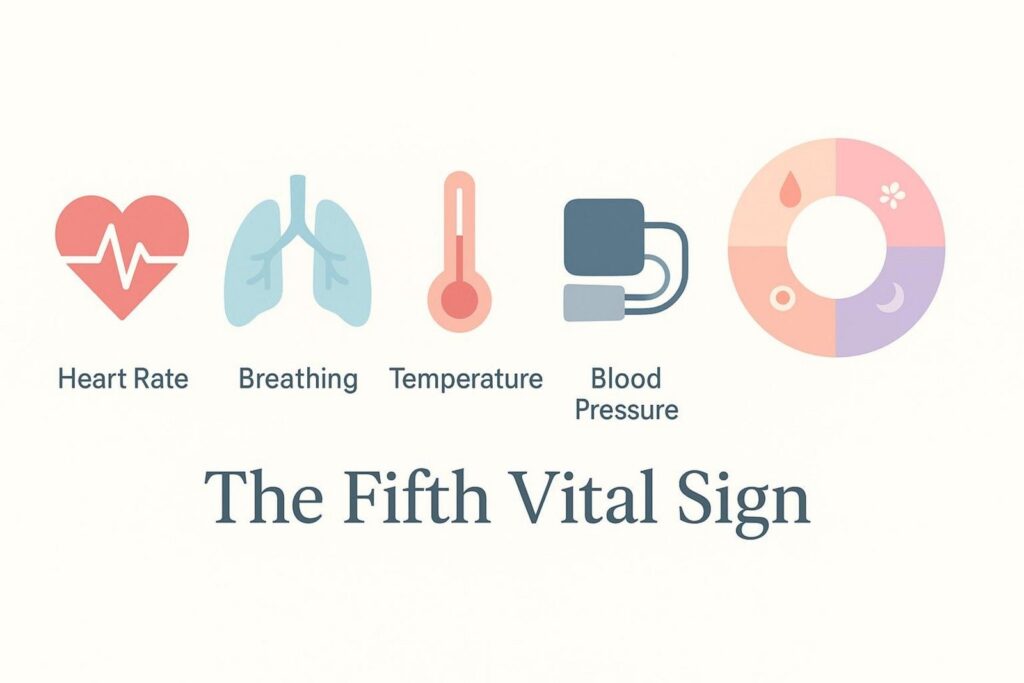
The menstrual cycle is often called the “fifth vital sign” because it gives key clues about overall health. Like heart rate, breathing, temperature, and blood pressure, your cycle can reveal hidden issues, especially with hormones. Estrogen and progesterone rise and fall across the roughly 28-day cycle, shaping energy, mood, metabolism, and fertility. These shifts are normal, but imbalances can trigger symptoms.
For women, these hormone changes are far more dynamic than men’s daily cycle. Ignoring this infradian rhythm, which guides the menstrual cycle and affects the brain, immune system, and metabolism, can lead to stressed cortisol, blood sugar swings, and lower progesterone. Period coaching shows how these pieces fit together, and teaches you to work with your body’s ebb and flow instead of against it.
Which Hormonal Imbalance Challenges Can Period Coaching Help Solve?
Common Signs and Symptoms of Hormonal Imbalance
Hormone imbalances can show up in many ways and make daily life hard. Common signs include:
- Irregular or missed periods
- Infertility or trouble conceiving
- Mood swings, anxiety, or depression
- Insomnia or poor sleep
- Low sex drive
- Unexplained weight gain or loss
- Lower bone density
- Digestive issues like constipation or diarrhea
- Excess facial or body hair
- Pain in the abdomen or back during your period
- Skin rashes or acne
Seeing these signs is the first step toward getting the right help.
Conditions Commonly Addressed by Period Coaching
- PCOS: Often improves with changes to food, movement, and stress habits.
- Endometriosis: Symptoms can ease with targeted lifestyle support.
- Thyroid disorders: Coaching supports energy, metabolism, and hormone balance.
- PMS and PMDD: Strategies can reduce mood changes, cravings, and pain.
- Irregular periods: Cycle tracking and lifestyle shifts help steady patterns.
- Fertility support: Helps prepare the body for natural conception or IVF.
The whole-body focus allows a wide-ranging approach to these often complex issues.
How Hormonal Imbalances Affect Menstruators
Hormone imbalances can affect nearly every part of life. Beyond cramps or heavy bleeding, long-term risks can rise. For example, untreated PMS in the reproductive years has been linked to twice the rate of inflammation-related diseases after menopause, including heart disease, diabetes, cancer, and dementia. This shows why caring for hormone health early matters. Many menstruators turn to educational platforms like Cyclical School to better understand these patterns and support their long-term wellbeing.
Also, hormone swings can affect mental and emotional health. Mood shifts, anxiety, and depression are common, and can strain relationships, work, and daily life. The constant struggle can be tiring and disconnect you from your body. Period coaching helps you regain control and live more comfortably with your cycle.
How Period Coaching Improves Hormonal Balance
Tracking the Menstrual Cycle for Insightful Patterns
Helpful period coaching starts with understanding your unique cycle. This goes beyond marking dates. It means carefully tracking symptoms, energy, mood, and physical changes in each phase. Over time, you can see patterns that show how hormones affect your body and mind.
A coach will show you how to track, whether with a journal, calendar, or an app like MyFLO Period Tracker. This record becomes a useful tool to spot imbalances and choose steps that fit you. Seeing your patterns clearly can motivate you to keep up lifestyle changes because you can see how your actions affect how you feel.
Cycle Syncing: Nutrition, Exercise, and Lifestyle
Cycle syncing is a key part of period coaching. It means lining up your food, movement, and daily plans with each phase of your cycle so your hormones have the support they need. Since energy and hormones shift across the month, matching your habits to these shifts can ease symptoms and help the body heal.
| Phase | What’s happening | Movement | Foods to focus on |
| Menstrual | Hormones are low; fatigue is common | Gentle walks, stretching, yoga | Iron-rich foods (leafy greens, beans, red meat), warm soups |
| Follicular | Estrogen rises; energy builds | Light to moderate cardio; try new workouts | Colorful veggies, lean protein, fermented foods |
| Ovulation | Estrogen peaks | Higher-intensity intervals if you feel good | Raw and fibrous foods to help clear estrogen; steady-energy meals |
| Luteal | Progesterone rises; metabolism speeds up | Strength training; steady-state cardio | Slow-burning carbs, healthy fats, magnesium-rich foods |
With a coach, this approach helps you work with your body instead of fighting it.
Reducing Stress and Its Impact on Hormones
Stress is a big disruptor of hormones. Ongoing stress can throw off cortisol, which then affects other key hormones for a healthy cycle. Period coaching puts strong focus on stress care, knowing that a calmer mind supports a steadier body.
- Mindfulness or simple breathing exercises
- Short daily relaxation practices
- Protecting your time and reducing overscheduling
- Consistent sleep routine and light exposure in the morning
By lowering stress, you may sleep better, feel calmer, and have more regular cycles.
Educating and Empowering for Long-Term Wellness
One of the biggest long-term benefits of period coaching is education and confidence. A good coach explains the “why,” not just the “what.” You gain clear knowledge about your body, how hormones work, and how daily choices affect how you feel. This turns you from a passive listener into an active partner in your health.
Coaches help you tune in to your body’s signals, speak up for your hormone health, and make choices that fit your cycle. This self-knowledge helps you keep balance and adapt as your body changes from your reproductive years through perimenopause and beyond.
What Happens in a Period Coaching Session?
Personalized Assessment and Goal Setting
Your work with a period coach usually starts with a thorough, personalized review. This is not a one-size-fits-all form. You and your coach go through your health history, symptoms, habits, and goals. You’ll talk about sleep, stress, food, movement, and your menstrual history, including cycle length, flow, and any pain or PMS.
With this clear picture, you set specific wellness goals together. These might include easing PMS, steadying your cycle, improving fertility, or better understanding your body. This first step is key for building trust and setting a clear plan.
Interpreting Cycle Data for Actionable Changes
As you track and start new habits, sessions focus on making sense of the data. Your coach connects symptoms and energy shifts with hormone changes. The goal is clarity, not judgment.
Together, you pick food, movement, and stress tools that work best. For example, if fatigue keeps showing up in your luteal phase, your coach may suggest more slow-burning carbs and magnesium-rich foods to steady blood sugar. The aim is to turn insights into simple daily changes you can keep up.
Collaboration with Healthcare Providers
Period coaching supports medical care; it does not replace it. A skilled coach often works alongside your doctors. If your symptoms are severe or ongoing, your coach may suggest seeing a doctor for diagnosis, full hormone labs, or to rule out other conditions.
For PCOS or endometriosis, a coach can work with your gynecologist or endocrinologist so lifestyle strategies fit with any treatment you’re given. This team approach helps you get well-rounded care that supports both daily function and any needed medical steps, helping protect your overall health.
Benefits of Working with a Period Coach for Hormonal Imbalance
Improved Period Regularity and Symptom Relief
Many people notice steadier cycles and fewer symptoms soon after starting period coaching. By syncing your habits with your body’s rhythms, coaches help steady hormone signals that guide your cycle. This can mean fewer surprises, less cramping, and lighter, more manageable periods.
With personalized food, movement, and stress tools, bloating, breast tenderness, and mood swings often ease. You can feel more in tune with your body, with more comfort and predictability each month.
Better Emotional and Mental Health
Hormone imbalances affect mood and mental health. Mood swings, anxiety, irritability, and depression are common. Period coaching helps steady hormone shifts, which supports a more balanced emotional state.
Coaches also share simple practices like meditation, journaling, and self-care routines that build calm and resilience. Understanding the mind-body link helps you feel more in control and improves overall mental well-being.
Enhanced Fertility and Reproductive Health
If you want to conceive, period coaching can be a big help. By improving hormone balance and cycle regularity, coaching supports healthy ovulation. Coaches look for factors that may hold back fertility, such as hormone imbalances or habits that don’t support reproduction.
This also helps if you’re using IVF or other treatments. Coaching can support your body, reduce stress, and keep a positive mindset during the process. By nourishing the body and creating a good internal environment, period coaching supports a healthier path to pregnancy.

Support During Life Changes, Including Perimenopause
Hormones shift across life, and period coaching offers steady support through these changes. Puberty, pregnancy, postpartum, and perimenopause can bring new symptoms. Perimenopause, the years leading up to menopause, often includes hot flashes, sleep issues, and mood changes.
A coach can guide you through these phases, explain what’s happening, and help you adjust habits to ease symptoms. For example, night sweats and hot flashes often link to blood sugar swings; food and stress tools can help. With personal support and education, you can move through these stages with more ease and a smoother change.
Who Should Consider Period Coaching?
Is Period Coaching Right for You?
If you have a period and deal with discomfort or hormone issues, period coaching may help. This includes heavy bleeding, severe cramps, missed or irregular periods, and ongoing mood swings. If you’ve used birth control only to manage symptoms and want a root-cause approach, coaching offers a strong alternative.
Period coaching also suits anyone who wants a deeper understanding of their cycle. Whether you want to boost fertility, handle the many parts of perimenopause, or feel more confident about your hormones, a coach can guide you with a personal plan. If you’re ready to use natural, whole-body tools and stick with simple lifestyle changes, period coaching is likely a good fit.
When to Seek Professional Help
While period coaching offers solid support, please seek medical care for new, ongoing, or severe symptoms. Very heavy bleeding, extreme pain, or sudden changes in your cycle need medical attention to rule out serious issues like ovarian cancer or major endocrine disorders.
A period coach is not a doctor but can work alongside one. They can help you prepare for appointments, understand diagnoses, and fit lifestyle steps with treatments. If your coach sees red flags outside their scope, they will advise you to see a medical professional so your health is handled safely and fully.
Practical Steps for Starting Period Coaching
How to Find a Qualified Period Coach
Finding the right coach is a key first step. Look for certification from respected programs focused on menstrual or hormone health, such as the Institute for Menstrual Health. Credentials show a solid base of knowledge and ethics. Some coaches, like Dr. Jen Holt, PT, DPT, also have training in pelvic floor therapy, offering a wide view of your needs.
Choose coaches who value a holistic, personalized approach. Read their philosophy and reviews to see if it matches your goals. A good coach educates and supports lasting changes, not quick fixes. Book intro calls with a few coaches and pick the one whose approach, style, and experience feel right for you.
What to Expect in Your First Coaching Session
Your first session is usually a detailed conversation. Expect to go over your full health history, current and past symptoms, any diagnoses, and your menstrual story from your first period to today. You’ll also discuss food, movement, sleep, stress, and emotional health.
You’ll set clear goals and learn how the coach works and what the process includes. You may start cycle tracking or get basic education materials. This is an open space to ask questions, share concerns, and build the base for your personal plan.
Tips for Getting the Most from Period Coaching
- Be open and honest about symptoms, challenges, and progress so your coach can personalize support.
- Track your cycle and any suggested metrics consistently; your data guides smarter changes.
- Commit to the suggested lifestyle steps and give them time; small daily actions add up.
- Treat coaching as education. The more you learn about your body and hormones, the more confident you’ll be long term.
Frequently Asked Questions About Period Coaching and Hormonal Health
Does Period Coaching Replace Medical Treatment?
No. Period coaching is a supportive, holistic approach that helps you improve hormone health through lifestyle changes. It gives you tools and knowledge to manage your cycle and ease symptoms naturally.
It does not diagnose, treat, or cure medical conditions. If you have severe symptoms, a diagnosed hormone disorder (like PCOS or thyroid issues), or any health concerns, please see a medical doctor. A good coach will work with your healthcare team so you get full care that covers both lifestyle and medical needs.
Can Period Coaching Help If You Use Birth Control?
Period coaching mainly focuses on your natural cycle and your body’s own hormones. If you use hormonal birth control that stops ovulation, your natural cycle is paused. In that case, true cycle syncing is not possible in the usual way because your hormones are not cycling on their own.
Still, coaching can help. A coach can explain how birth control affects your body, address common nutrient gaps (like B vitamins and vitamin D3), and support gut health. If you plan to stop birth control, a coach can guide you through coming off it, help your natural cycle come back, and ease possible post-birth control symptoms. Coaching also supports stress care and healthy habits no matter which birth control you use.
How Long Does It Take to Notice Results?
Results vary based on your goals, the severity of any hormone issues, and how consistently you apply changes. Many people notice improvements within about 3 months of steady cycle syncing and lifestyle shifts.
Deeper, long-lasting changes often take more time. Think of it like growing a garden-steady care and patience help it thrive. Some symptoms ease fast, while broader hormone balance and well-being build over months and even years of practice.