

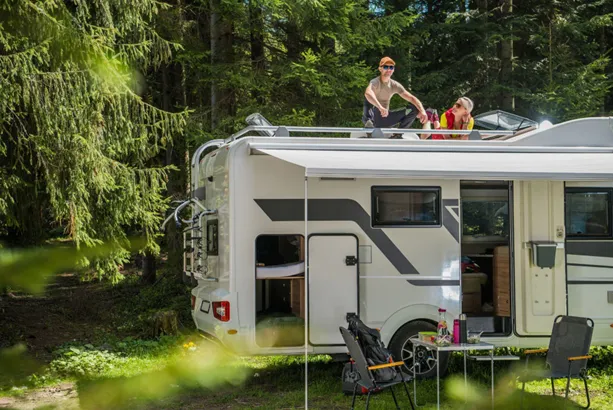
- Short-haul caravan trips are growing in popularity among Australian families
- Compact vans offer easier towing, faster setups, and better use of space
- Smart interior design is making small layouts more functional than ever
- Lower costs and higher flexibility make them ideal for frequent weekend travel
You don’t always need two weeks off or a cross-country itinerary to reset. Sometimes, a quick Friday pack-up and a two-hour drive is enough to feel like you’ve stepped into a different rhythm. More and more Aussie families are catching on to this. The idea of spontaneous weekend escapes is picking up serious pace, and small caravans are right at the heart of it.
If you’ve been eyeing a more straightforward way to get out of town without the full logistical effort of big vans or tent camping, compact family caravans are worth a closer look. They’re reshaping what it means to “get away” — shorter distances, easier setups, and more time relaxing. It’s not about cutting corners. It’s about making travel fit life, not the other way around.
Contents
The rise of the short-haul escape
Weekend travel isn’t just a fallback plan anymore — it’s a lifestyle shift. Families are trading the big annual road trip for more frequent, bite-sized getaways. After years of disrupted travel plans and border closures, the appeal of escaping for just a couple of nights has become more than just practical. It’s become the preferred way to unwind.
Destinations within striking distance of cities like Melbourne, Brisbane, and Sydney are experiencing significant growth. Whether it’s a beachside holiday park or a quiet bush camp, the focus is on low-effort, high-reward trips. And that’s precisely where compact caravans come into their own. Designed for agility and ease, these vans suit the rhythm of modern travel — pull up Friday night, be packed down by Sunday, and still make it home before dark.
Manufacturers have noticed the shift. The market is now full of vans that aren’t oversized or overbuilt. Instead, they’re streamlined, efficient, and tailored to shorter breaks. Families don’t need sprawling layouts or heavy-duty towing setups for a few nights away. What they need is something they can hitch and go, often on a whim.
What makes compact family vans so travel-friendly
There’s a reason these smaller vans are finding their way into more driveways. For starters, they’re far less intimidating to tow and manoeuvre. That alone removes a significant barrier for families new to caravanning or those who simply don’t want to upgrade their everyday vehicle. Smaller vans mean less stress on the road and fewer restrictions when choosing where to stay.
Interior design is another win. Despite the reduced footprint, clever layouts maximise every corner. Fold-out beds, convertible lounges, and integrated storage all help you stay comfortable without sacrificing floor space. That balance between form and function is ideal for short trips, where flexibility takes precedence over luxury.
Access is also a major perk. Compact vans can go places larger ones can’t — tight national park sites, beachside nooks, or even suburban carports when not in use. The lighter build means less damage to tracks and less wear on your vehicle, which opens the door to more adventurous weekends.
Among the standout options, Royal Flair caravans at 4K RV have gained substantial traction among families seeking weekend-ready features without the bulk. Their layouts are designed with shorter escapes in mind, offering just enough without overcomplicating the experience. Paired with the dealership’s hands-on advice and support, it’s a popular match for those easing into the lifestyle or upgrading from tents and camper trailers.
Not just downsizing, but redesigning
It’s easy to assume a smaller van is just a stripped-back version of something bigger, but that’s not the case anymore. Compact family caravans are being purpose-built from the ground up with different priorities in mind. The design isn’t just about cutting space — it’s about using it better.
Walk into one of the newer models and you’ll see how much has changed. Bunks are integrated into side walls or tucked behind partitions to save space during the day. Kitchens are often smaller but smarter, featuring slide-out benches or dual-purpose appliances. Even bathrooms, once a luxury in compact vans, are now cleverly built into corner spaces with just enough elbow room for a comfortable rinse.
What’s driving all this innovation is a fundamental understanding of how families travel on short trips. You don’t need massive wardrobes or full-sized ovens for a weekend away. You need fast access to the basics, somewhere to cook breakfast, and beds that can be packed down quickly. These vans are designed around function first, with layouts that reflect real usage rather than showroom appeal.
There’s also a shift toward more modular interiors. Families with younger kids might prioritise extra sleeping space, while those with teens may want more privacy. Many models now cater to both, offering customisable setups that can adapt as your needs change. It’s a practical move that also makes smaller vans more appealing for longer-term use if travel habits evolve.
The financial and practical benefits of going compact
While comfort and convenience often drive the decision, the financial side is hard to ignore. Smaller caravans tend to cost less upfront, which makes them more accessible for families dipping their toes into the lifestyle. But the savings don’t stop at the purchase price.
Towing a compact van usually doesn’t require a specialised vehicle. That means no need for a big four-wheel drive if you’re already driving a capable SUV or ute. It also means better fuel economy on the road and fewer maintenance demands over time. Insurance and registration can also be cheaper, especially in states with tiered pricing based on weight or size.
At home, you’ll notice the difference in storage. A compact van might fit in your garage or driveway, saving you monthly storage fees and the hassle of arranging off-site parking. It’s one of those everyday conveniences that makes the whole setup more viable for families who want to travel often but don’t want the van to dominate their home life in between.
And when the time comes to sell or upgrade, compact vans often move faster on the second-hand market. Their versatility appeals to a vast buyer pool — young families, older couples, even solo travellers. They’re the kind of asset that doesn’t sit idle for long, which can make the decision to commit a little easier in the first place.
Matching your van to your travel style
Not all small caravans are built the same, so finding the right one depends on how — and how often — you plan to travel. For families with younger kids, built-in bunks and open-plan layouts can make evenings easier. For those who travel with teens or friends, a bit of separation between sleeping and living space becomes more critical. The key is to examine how you spend time in the van, not just what appears good on paper.
Travel habits also shape what matters most. If you’re mostly visiting powered sites in caravan parks, your needs will be different from if you’re chasing off-grid weekends in national parks. Power systems, water storage, and kitchen design all play a role here. It’s worth paying attention to how easily the van can be packed and unpacked, too — time saved setting up is time you get back to relaxing.
Another factor is how often you plan to hit the road. If weekend escapes are part of your routine, features like external storage, compact dining areas, and quick bed conversions become more valuable. The goal is to reduce friction, so heading off doesn’t feel like a chore. A good match means the van fits your rhythm, not the other way around.
Conclusion
The shift toward smaller family caravans is doing more than changing the shape of the vehicles — it’s changing the pace of how Australians travel. With less time spent planning, packing, and towing, weekend escapes are becoming more straightforward and more spontaneous. It’s a shift that makes short breaks feel like actual holidays, not logistical missions.
Instead of waiting for the perfect time to take a long trip, families are finding ways to make the most of the time they already have. And for that, a smaller van with the proper setup can be the difference between a good idea and a packed bag by Friday afternoon.