

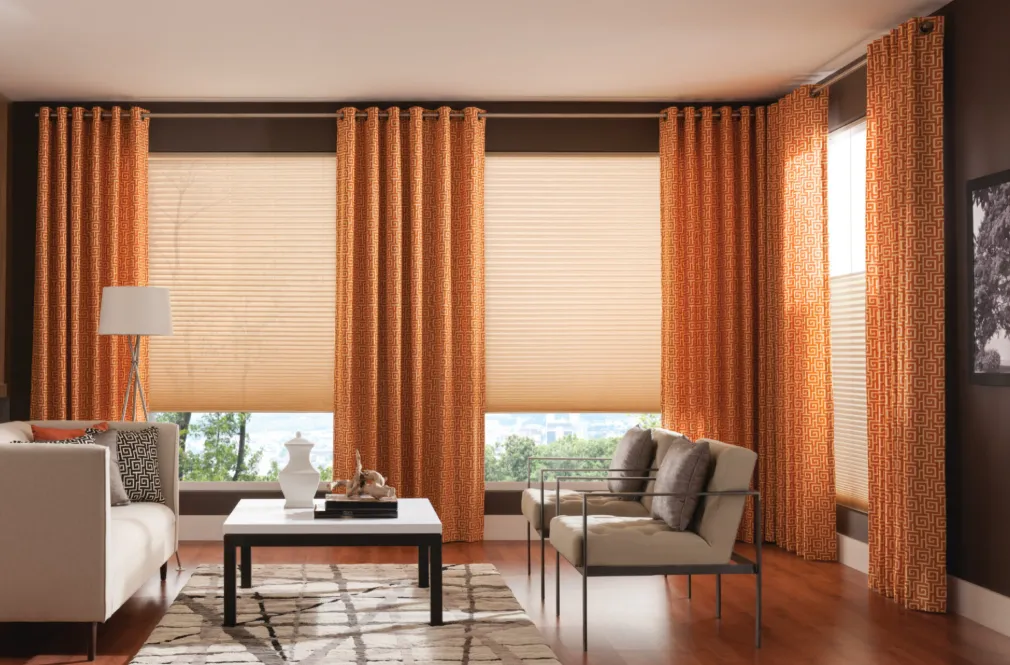
When you walk into a room, the light is the first thing you notice—whether you realize it or not. It sets the tone, frames your view, and affects how you feel in that space. The gentle spill of sunlight through flowing drapes can make a morning feel hopeful, while the soft glow from a series of carefully placed downlights can transform a living room into a cozy sanctuary. True interior design magic happens when both natural and artificial light are shaped with intention, blending functionality and artistry. This is the core philosophy behind creating “illuminated living”—a concept where drapes, shades, and lighting work together to create harmony in your home. To see how professional lighting expertise can redefine your space, visit the http://illuminatedlightingdesign.com website.
Contents
- 1 The Power of Light in Shaping Atmosphere
- 2 Why Drapes and Downlights Belong in the Same Conversation
- 3 Designing Your Mood with Light and Fabric
- 4 The Role of Technology in Modern Light Control
- 5 Layering Light for Maximum Impact
- 6 Bringing Personality into the Process
- 7 The End Result: A Space That Works for You
The Power of Light in Shaping Atmosphere
Light is more than a visual tool—it’s an emotional influencer. Bright, cool-toned lighting can invigorate you for a productive afternoon, while warm, dimmed lighting encourages relaxation after a long day. Natural daylight flooding in through sheer window treatments can make a space feel larger and more open, but that same light might need to be softened in the evening to create intimacy.
When you combine the flexibility of custom window treatments with thoughtfully designed artificial lighting, you gain full control over the way a room feels throughout the day. This control isn’t just about aesthetics—it’s about comfort, energy use, and even the way you experience your own home.
Why Drapes and Downlights Belong in the Same Conversation
While window treatments and lighting fixtures are often considered separate design elements, they are two sides of the same coin. Both are tools to manage light—one shapes what comes in, the other creates what’s missing.
Custom drapes and shades can be tailored to block, filter, or reveal natural light in ways that enhance a room’s personality. Downlights, sconces, pendants, and chandeliers add layers of artificial light that can mimic daylight or create entirely new moods. Working with experts who understand the balance between these two elements can ensure your home always feels exactly how you want it to—whether that’s vibrant and bright or warm and secluded. To explore this blend of craftsmanship and innovation, you can find professionals at 165 Madison Ave, Manhattan, NY 10016.
Designing Your Mood with Light and Fabric
Every room tells a story, and light is the storyteller. The textures, patterns, and colors of your window treatments will influence how light behaves in your space. For instance, a heavy velvet curtain will create a completely different ambiance compared to sheer linen panels. Paired with the right lighting setup, this combination becomes a powerful tool for mood creation.
Imagine this: In a home office, you might choose motorized roller shades in a neutral tone to allow soft daylight in while reducing glare on your screen. Pair that with recessed LED downlights above your desk to keep the space bright during overcast days. In a bedroom, you could opt for layered window treatments—light-blocking drapes behind airy sheers—and warm, dimmable sconces for a calming nighttime retreat.
The most successful designs don’t treat these elements in isolation. They consider how sunlight changes throughout the day, how you use the space, and how artificial light can step in when natural light fades.
The Role of Technology in Modern Light Control
Today’s homeowners have access to advanced technologies that make controlling light effortless. Motorized window treatments can be programmed to adjust throughout the day, responding to the position of the sun or even syncing with your smart home system. The same goes for modern lighting systems, where dimmers, tunable white LEDs, and color-changing bulbs allow you to modify your lighting with a touch or a voice command.
When these two systems—window treatments and lighting—are integrated, the result is a home that adapts seamlessly to your lifestyle. Morning shades rise to let in energizing daylight while cool, bright LEDs illuminate the kitchen for breakfast. In the evening, the shades close for privacy, and warm, dimmed lighting creates a soothing environment for winding down.
Layering Light for Maximum Impact
In professional lighting design, there’s a concept known as “layering light.” This involves combining three main types of lighting:
- Ambient lighting: Your overall light source—this could be recessed downlights or a central fixture.
- Task lighting: Focused light for activities like reading, cooking, or working.
- Accent lighting: Light that highlights architectural details, artwork, or specific décor elements.
When paired with thoughtfully chosen window treatments, these layers work in harmony. Sheer shades can diffuse harsh midday light while maintaining brightness, reducing the need for heavy ambient lighting. Conversely, in the evening, closing heavier drapes creates a backdrop for accent lighting to make the room feel intimate and inviting.
Bringing Personality into the Process
One of the most overlooked aspects of combining drapes and downlights is how personal it can be. Your home isn’t just a physical structure—it’s a reflection of your style, habits, and values. The fabrics you choose, the lighting color temperatures you prefer, and even how much natural light you enjoy all contribute to the atmosphere you live in every day.
Some homeowners prefer crisp, modern designs with minimal window coverings and sleek recessed lighting. Others embrace dramatic floor-to-ceiling drapery in bold patterns paired with ornate chandeliers. Neither is “right” nor “wrong”—what matters is that the combination feels authentic to you.
The End Result: A Space That Works for You
Ultimately, the combination of drapes and downlights is about more than decoration. It’s about function meeting beauty. It’s about waking up to gentle morning light without a glare in your eyes, and relaxing in a softly lit living room where every element feels intentional. It’s about crafting spaces that change with you, moving seamlessly from bright and energetic to calm and cozy.
When both natural and artificial light are treated as part of the same design vision, the result is a home that doesn’t just look good—it feels right. Whether you’re renovating a single room or reimagining your entire space, blending drapes with downlights is a decision that pays off in comfort, style, and lasting satisfaction.