

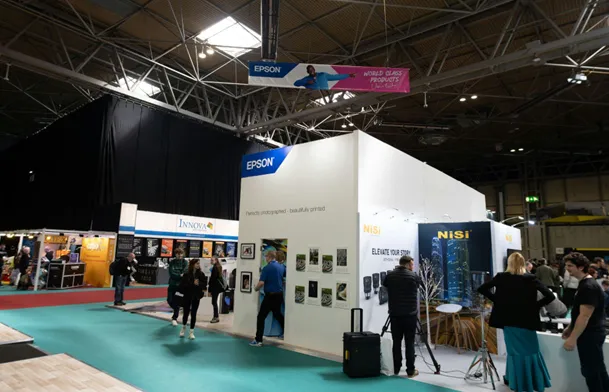
- Exhibitions deliver better results when marketing starts before the event
- Stands should be built to support active campaigns, not just foot traffic
- Early outreach and scheduling create stronger booth engagement
- Treating the display as a physical call-to-action drives post-event value
You’ve booked your floor space, sorted logistics, and confirmed your team’s availability. But if your exhibition stand only starts working for you when the doors open, you’re missing half the opportunity. Trade shows aren’t just about being seen—they’re about being remembered. And the most effective stands start doing their job well before anyone sets foot in the venue.
How you use the weeks leading up to the event often matters more than what happens on the day itself. Planning for a standout display means planning for interaction, relevance, and reach before the event even begins.
Contents
Thinking Beyond the Floor Plan
It’s easy to get caught up in the technical side of an event display—back wall dimensions, counter placement, AV logistics. But exhibition marketing isn’t about fitting into a space. It’s about designing an experience that connects with the right people at the right time.
When the build becomes just another item on a checklist, the stand loses its edge. You’re left with a booth that fills the space but fails to attract attention, start conversations, or support your campaign goals.
That’s the difference between simply showing up and making an impact. A good stand doesn’t exist in isolation. It supports your broader brand strategy, plays into your messaging, and contributes to measurable outcomes. It should feel familiar to your audience before they even arrive, as they’ve likely seen it teased, shared, or discussed in the lead-up.
What the Best Displays Actually Do Before the Show
Strong displays don’t start working when the doors open. The best ones are already doing their job weeks before the event, through teaser content, personalised invites, and strategic promotion. When people arrive already expecting to see you, the display becomes a point of contact rather than a cold introduction.
A custom display build Sydney companies usually go for isn’t just about size or tech. It’s built with campaign goals in mind—designed to align with branding that’s already active across socials, email, and industry channels. That alignment helps the booth feel familiar the moment someone spots it, even if it’s their first time seeing it in person.
This early visibility shifts the dynamic. Instead of hoping people walk past, you’ve already planted the idea that your stand is worth visiting. By the time the expo starts, your audience knows what they’re looking for—and they come ready to engage.
Getting Real Interest Before Doors Open
At most expos, foot traffic doesn’t equal interest. People wander, scan, and move on. What changes the game is pre-qualified intent—attendees who already know who you are, what you offer, and why they should stop by. That kind of interest doesn’t come from clever signage on the day. It starts with outreach weeks earlier.
This is where the booth becomes part of a much bigger effort. It supports a story already in motion through social media snippets, email campaigns, and personal follow-ups. Even something as simple as showing a work-in-progress shot of the stand being built can create anticipation. For events where competition is high and time is limited, small cues like this help filter out the noise. Your stand becomes a known quantity before anyone steps inside.
More importantly, it gives you time to reach the right people directly. A well-timed invitation or short conversation before the event puts your business on their schedule. When they arrive, they’re not browsing. They’re showing up for you.
What Your Team Should Be Doing Two Weeks Out
Two weeks before the event, the physical setup should already be locked in. The focus now shifts to people. Your team needs to know what the stand is there to achieve—whether that’s lead generation, product education, or relationship building—and how to support those goals in the way they speak, demo, and follow up.
This period is also your opportunity to drive traffic strategically. Whether you’re running a social giveaway, scheduling demos, or inviting media, the display should be tied into every touchpoint. That might mean booking in conversations ahead of time, prepping content to go live during the show, or lining up post-event follow-ups while interest is still fresh.
The more organised you are here, the more freedom your team will have on the day to focus on quality interactions. You want the booth to feel calm, not reactive, like you expected the attention and know what to do with it.
Redefining the Role of Your Stand
It’s easy to treat the booth as a visual anchor or a place to hand out brochures. But that thinking misses the point. An effective stand is less like a billboard and more like a physical landing page—purpose-built to attract, inform, and convert.
When you frame it that way, everything shifts. The goal isn’t to fill a space—it’s to make the most of it. That means aligning your team, content, and visuals around a single question: what do we want people to do once they arrive? Whether that’s scanning a QR code, booking a call, or staying long enough for a deeper conversation, the stand should actively guide those outcomes.
Great displays don’t just look the part. They work in sync with your brand voice and business goals. They support conversations that begin early and continue long after the event concludes. And they leave people with something more useful than a flyer: a clear next step.