

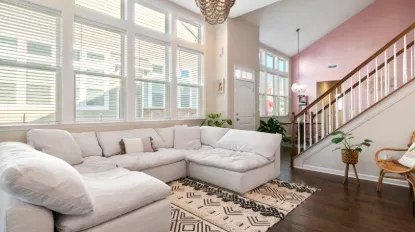
Living in a compact space doesn’t mean giving up comfort or style. With the right arrangement, sectional sofas can become the perfect solution for maximizing small living areas. Whether you’re settling into a cozy apartment or reimagining your current space, a well-chosen sectional adds both functionality and charm.
In this blog, we’ll explore smart sectional arrangements that help you make the most of every square foot, proving that small spaces can still be stylish, comfortable, and incredibly inviting.
Contents
Strategic Placement Options for Sectional Sofas in Small Rooms
Before diving into specific layouts, it’s important to understand that the right placement can make all the difference in how spacious your room feels. A well-positioned sectional creates both comfort and visual flow, even in the tightest spaces.
Corner Configurations: The Space-Saving Classic
The L-shaped corner arrangement remains one of the most popular and practical options for a small living room. Tucking your sectional sofa into a corner naturally follows the room’s architecture while maximizing open floor area. This configuration works particularly well in rectangular rooms where you want to preserve pathways.
For best results, measure your corner space carefully, accounting for any baseboards or vents that might prevent a flush fit. Many homeowners find that an L-shaped sectional with a shorter side facing outward creates an inviting entryway to the seating area.
Floating Sectional Arrangements
Breaking away from wall placement can sometimes create a more spacious feel in compact rooms. A modular sectional sofa positioned a few inches from the wall creates depth perception that can make the room appear larger. This arrangement works especially well when you need to define separate areas in an open-concept small space.
When floating your sectional, ensure there’s at least 30-36 inches of walkway space behind it. This prevents the arrangement from feeling cramped while creating a natural flow through the room. Some homeowners even use a narrow console table behind the floating sectional for additional functionality.
Window-Adjacent Placement Strategies
Positioning your sectional near windows can help the space feel airier and more open. Natural light plays a crucial role in creating the illusion of spaciousness, and a wisely placed modular sofa can capitalize on this effect without blocking precious daylight. A double chaise sectional configuration, when working with windowed walls, allows versatile seating while maintaining an open feel.
Just be mindful of direct sunlight exposure, which can fade upholstery over time. Light-filtering curtains or blinds can help protect your investment while still letting in ample light.
Your window placement can determine your entire room layout, so take time to evaluate which configuration maximizes both light and functionality before making your final decision.
Choosing the Right Modular Sofa for Your Small Space
The sectional itself matters just as much as where you place it. When shopping for small spaces, certain features can make a dramatic difference in how the piece fits and functions in your room.
Space-Optimized Modular Sectional Features
For tight quarters, look for sectional sofas with space-saving design elements. Slim arms save precious inches without sacrificing comfort, while lower backs create visual openness that makes rooms feel larger. Raised legs also contribute to a lighter appearance compared to floor-hugging models.
When shopping, pay careful attention to seat depth. While deep seats offer lounging comfort, they consume more floor space. Many manufacturers now offer “apartment-sized” sectionals with slightly reduced depths specifically for small spaces.
Remember that scale matters tremendously; a properly proportioned sectional will feel right at home in your space, while an oversized one will make even a decent-sized room feel cramped.
Modular Sofa with Storage Solutions
A modular sofa with storage combines seating with clever organization, perfect for small spaces where every inch counts. Look for sectionals with storage ottomans, under-seat compartments, or convertible chaise sections that open to reveal hidden storage.
These multi-functional pieces eliminate the need for additional storage furniture, keeping your small living room uncluttered. Some models even include pull-out sleeper mechanisms, transforming your compact living space into a guest room when needed.
The beauty of storage-integrated sectionals is their ability to conceal everyday items like throws, pillows, and media accessories that would otherwise contribute to visual clutter in a small room.
Customizable Configurations for Evolving Needs
The most versatile option for small spaces is a truly modular sectional sofa with individual pieces that can be rearranged as needed. These adaptable solutions allow you to switch between L-shapes, straight sofa arrangements, or even split configurations depending on your changing needs.
This flexibility proves invaluable in small spaces where furniture must sometimes be rearranged for entertaining or accommodating overnight guests. Some homeowners even reconfigure their sectionals seasonally to optimize for different activities throughout the year.
Look for models with secure connecting mechanisms that keep pieces firmly in place while allowing for easy rearrangement when desired.
Sectional Sofa Arrangement Ideas That Create Visual Space
Beyond physical placement, the visual aspects of your sectional sofa arrangement significantly impact how spacious your room feels. Smart design choices can make even the smallest space feel open and inviting.
Color and Texture Strategies
Light-colored upholstery generally makes sectional sofas appear less imposing in small spaces. Creams, light grays, and pale blues reflect more light, creating an airy effect that dark colors can’t match. If you prefer darker colors, consider balancing them with lighter walls and accessories.
Texture also plays a crucial role; flat-weave fabrics with minimal pattern create less visual noise than heavily textured options. If you love patterns, consider incorporating them through accent pillows rather than the entire upholstery.
Remember that your sectional is likely the largest item in your room, so its visual weight significantly impacts the overall feeling of spaciousness.
Creating Breathing Room Around Your Sectional
Proper spacing around your sectional sofa prevents that crowded, cramped feeling that can plague small living rooms. Aim for at least 18 inches between the sectional and coffee table to allow comfortable leg room, while maintaining 30-36 inches for main walkways.
Resist the temptation to push furniture against every wall. Strategic negative space makes rooms feel larger. Consider which areas truly need furnishing and which might benefit from being left open.
The right balance of furnished and open space creates a more relaxed, spacious environment that feels intentionally designed rather than merely crammed with furniture.
Optical Illusions with Mirrors and Lighting
Strategic mirror placement can dramatically expand the perceived dimensions of a small room with a modular sectional sofa. Position mirrors to reflect windows or interesting views, effectively doubling the visual space.
Layered lighting further enhances spaciousness. Combine overhead fixtures with wall sconces and table lamps to eliminate shadows that can make rooms feel smaller. Uplighting particularly helps draw the eye upward, creating a sense of height in compact spaces.
These visual tricks complement your sectional sofa arrangement ideas by enhancing depth perception and room dimensions without requiring additional square footage.
FAQs
How do I position a sectional sofa in a small room?
In a small living room, consider positioning the sectional in a corner to maximize space. Keep additional furniture and decor minimal to avoid a cluttered look. Opt for lighter colors to make the space feel more open and airy.
Can a sectional work in a small living room?
Whether your goal is to fit the whole family for movie night or just successfully stretch out, maxing out the seating options beyond a loveseat is crucial in a small living room. The right-sized sectional can transform a cramped room in a good way.
What is the 2/3 rule for sofas?
“The 2:3 design rule suggests your sofa should be the equivalent of ⅔ the size of your room,” she says. However, if your living room is also your dining room or home office, that may not be possible, explains the designer.
Making the Most of Your Small Space
Designing a small living room around a sectional might seem challenging at first, but with these strategic approaches, you’ll create a space that feels both comfortable and spacious. Remember that proportions matter more than size; a well-chosen sectional sofa can make better use of limited square footage than multiple separate pieces.
The key is thoughtful planning before purchase. Measure carefully, consider your specific needs, and don’t be afraid to think creatively about placement options. Your cozy space might just become your favorite room in the house!