

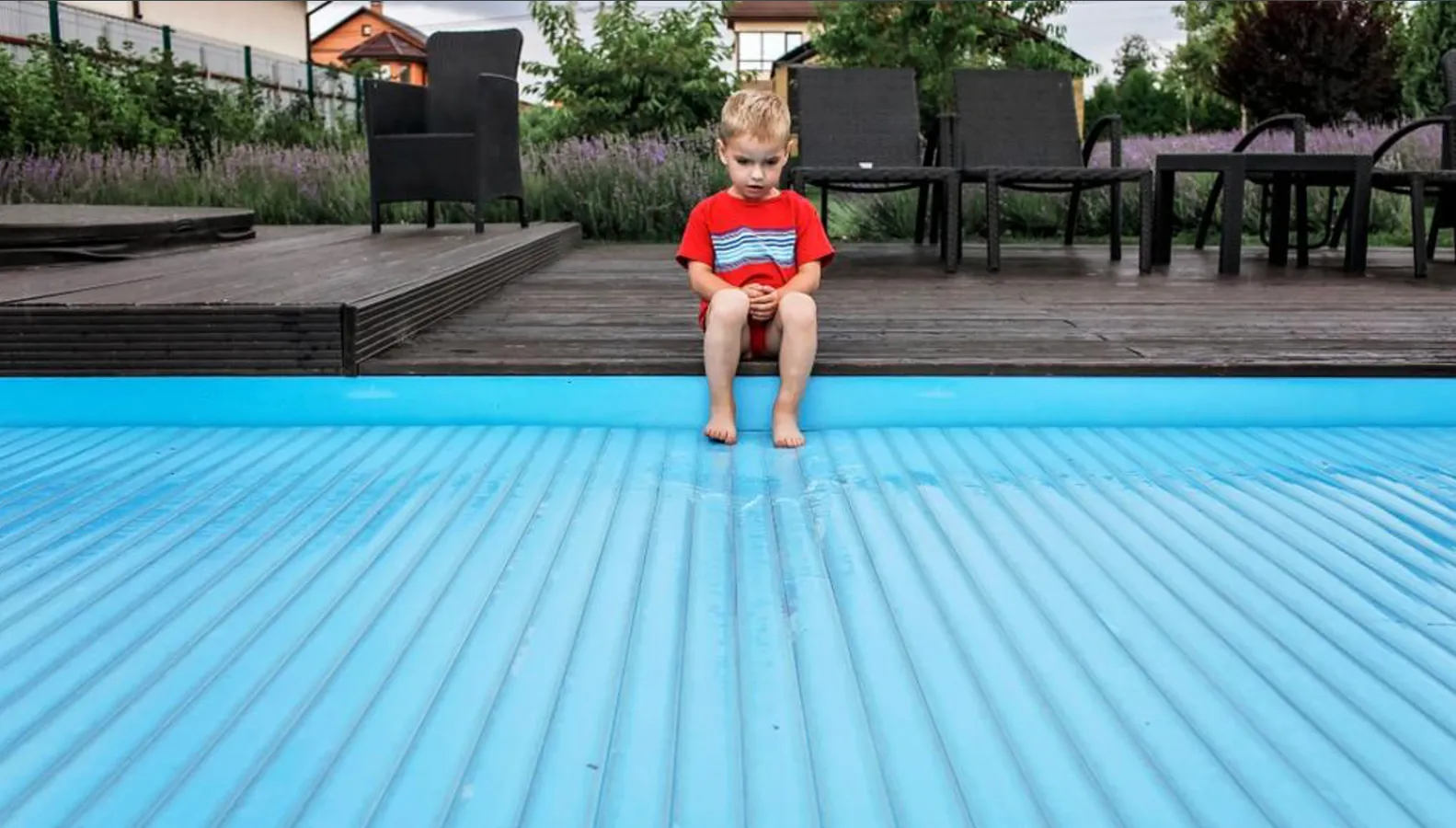
Owning a pool brings enjoyment and comfort, but it also introduces serious safety responsibilities. For families with children or pets, it’s essential to implement safeguards that help prevent accidents. One measure that provides both safety and convenience is a properly fitted pool cover. These covers not only shield the water but also support better maintenance and reduce energy consumption. As newer designs emerge, they offer greater flexibility, easier handling, and stronger materials. Pool owners who weigh both protection and practicality are better positioned to make the most of their investment.
With modern advancements, seasonal pool care now includes more reliable tools for protection and upkeep. Covers can secure the pool during any season, whether it’s shielding from autumn debris or handling winter conditions. Selecting the right type depends on knowing how different options function in various environments. Material quality, locking mechanisms, and drainage features all influence long-term performance. A thoughtfully chosen cover does more than meet safety standards. It also contributes to a more manageable and secure swimming space year-round.
Contents
How Pool Covers Prevent Hazards
One of the most effective tools in enhancing pool area safety is a secure, full-coverage barrier. When properly installed, covers limit access to the water and reduce the chances of unintentional slips or falls. This protective layer acts as a secondary line of defense beyond gates or alarms. For homeowners with small children or animals, this can be a critical addition to their overall safety plan. Beyond just accident prevention, it also helps in maintaining cleaner conditions by keeping out unwanted debris. These benefits combined make covers a staple in responsible pool care.
In particular, inground pool covers offer tailored protection that matches the shape and size of each pool. Their design ensures a snug fit that prevents gaps or exposed areas, especially around curved or customized layouts. This fit minimizes risks while also simplifying routine upkeep. By stopping leaves and contaminants from entering the water, they help reduce chemical use and preserve water quality. These features create a more pleasant swimming environment and cut down on cleaning time. For many households, they strike a necessary balance between function and peace of mind.
What Makes Safety Covers Reliable
To improve security around the pool, cover strength and structure are just as important as proper installation. Modern covers are designed with materials that can support considerable weight, ensuring safety even under pressure. They use secure fastening systems to stay anchored during storms or other disruptive conditions. For areas prone to seasonal weather shifts, this can be particularly important. Additionally, covers that allow for water drainage help prevent buildup that could cause stretching or damage. This type of design extends usability while protecting both the cover and pool structure.
Among the most trusted options, pool safety covers are known for their ability to combine durability with smart design. These covers use either solid or mesh panels to block access while still being easy to operate. The ability to keep out contaminants while also supporting safety needs makes them an ideal choice for residential use. With regular checks and basic maintenance, they remain effective across multiple seasons. Their performance continues to improve as technology and material sciences evolve. Homeowners who choose these options gain long-term benefits in safety, simplicity, and savings.
How Mesh Covers Simplify Seasonal Prep
One cover style that balances strength and convenience is the extreme mesh pool cover. It is constructed from woven material that allows rain and snowmelt to drain through while blocking larger debris like branches or leaves. This reduces weight on the surface and prevents the formation of puddles that can cause sagging or mildew. Mesh options also tend to be lighter, which makes installation and removal less time-consuming. Their ease of use makes them a favorite for households that need reliable performance without complexity. In changing climates, their adaptability is especially useful.
Beyond ease of handling, mesh covers also provide environmental benefits. They protect the water from UV rays, which helps to prevent algae growth and reduces chemical consumption. This allows pool owners to maintain clearer water and a more balanced chemical profile with less effort. Their breathable design reduces the chance of odors or bacteria building up under the surface. This means fewer surprises when reopening the pool after winter. For those seeking a practical solution to year-round coverage, mesh designs offer a dependable and efficient option.
Seasonal Function and Versatility
Each season brings new challenges for outdoor pools, but a quality cover can reduce the effort needed to adapt. Whether it’s summer heat or winter frost, protective coverings help control the effects of nature on pool water and equipment. In colder months, covers guard against ice expansion and falling debris that could otherwise damage tiles or liners. During warmer periods, they preserve heat and prevent water from evaporating too quickly. With the right selection, pool owners can move from season to season without a major overhaul in routine. The ability to simplify these transitions is one of a cover’s strongest advantages.
For those who use their pools year-round, having multiple cover types might make sense. Some prefer a lighter, retractable version for active use and a stronger, reinforced model for long closures. This approach extends the pool’s operational life while reducing the risk of seasonal damage. Choosing flexible equipment that works in various conditions ensures better results no matter the climate. Homeowners who prioritize seasonal planning often find that thoughtful cover use saves both time and resources. The more adaptable the solution, the more valuable it becomes.
Comparing Material Types and Durability
The material used in a pool cover affects everything from safety to longevity. Solid covers offer full protection from light and debris but may need additional pumps or drains to manage standing water. Mesh options are easier to move and install, though they allow some exposure to sunlight. Hybrid types offer a compromise, combining the strength of solid covers with the airflow of mesh. Selecting the right one involves weighing convenience, performance, and cost. This makes it important to consider long-term needs rather than just initial price.
In terms of lifespan, mesh covers with UV protection can last the longest if cared for properly. Solid vinyl models often wear more quickly, especially when exposed to harsh weather without regular cleaning. Hybrid varieties tend to fall between the two in terms of durability. All cover types benefit from off-season storage and occasional minor repairs. Owners who take proactive steps in cover care can avoid premature damage and extend usefulness. With smart material choices, pool owners reduce maintenance burdens and ensure better overall safety.
Sustainability Factors in Pool Cover Design
As more homeowners look for eco-conscious solutions, pool covers have also evolved to meet these expectations. Sustainable options include recyclable fabrics, modular parts, and designs that reduce chemical use. By keeping debris out and limiting sun exposure, covers help preserve water quality and decrease the need for harsh treatments. This supports broader efforts to conserve water and minimize environmental footprints. Additionally, energy savings come from reduced evaporation and lower pump usage. These factors make covers an important part of green home strategies.
Covers that last longer also cut down on waste by reducing how often replacements are needed. Repaired sections and recyclable components support a circular approach to ownership. Some manufacturers now offer services to help dispose of old covers responsibly. This kind of forward-thinking design encourages smarter consumption habits. By making environmentally informed decisions, pool owners can reduce their impact while maintaining a secure and well-functioning pool area. Sustainable design is now a standard expectation rather than an optional feature.
Wrap Up
Pool ownership requires a balance of enjoyment, responsibility, and foresight. While equipment like alarms and gates contribute to safety, physical barriers such as pool covers play a more direct role in accident prevention. Understanding which options are available helps homeowners match solutions to their specific needs. From material strength to seasonal adaptability, every detail influences long-term results. Choosing wisely leads to better protection and easier maintenance. It also contributes to a more efficient and secure outdoor space.
Durability, safety, and ease of use should all be part of the decision-making process. Pool covers are no longer one-size-fits-all but come in a variety of options tailored for different settings. With proper care and thoughtful installation, these covers can last for years without significant upkeep. They make day-to-day pool management more manageable while offering peace of mind. When integrated into a full safety strategy, they provide dependable support throughout the year. Responsible planning always begins with informed choices.