

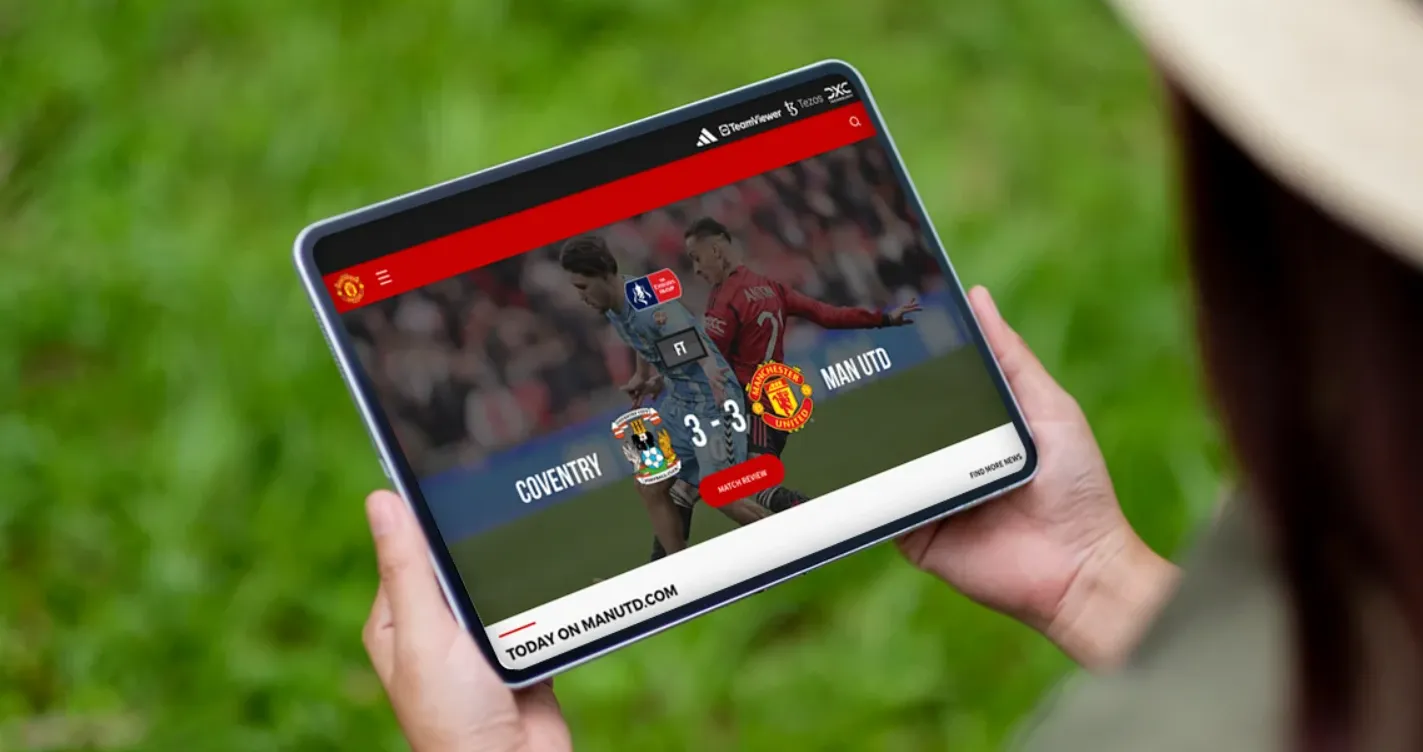
Modern football clubs are no longer just sports teams—they are global brands competing in entertainment, lifestyle, and media. Among the various revenue streams, global partnerships are one of the most significant. They provide capital, visibility, and credibility, turning football into a cultural and commercial powerhouse.
No club illustrates this better than Manchester United. With one of the largest fan bases in the world, United has built an unmatched portfolio of international collaborations. The story of Manchester United global partnerships is one of vision, strategy, and continuous adaptation across decades. This article explores how these deals evolved, their financial impact, and what the future holds.
Contents
- 1 The Importance of Global Partnerships in Modern Football
- 2 Early Sponsorship Deals of Manchester United
- 3 Partnerships with Global Brands
- 4 Regional Partnerships and Market Expansion
- 5 Digital Transformation and Sponsorship Strategies
- 6 Commercial Revenue Growth Through Partnerships
- 7 Challenges in Managing Global Collaborations
- 8 Future Outlook of Manchester United Global Partnerships
- 9 Conclusion: Strategy, Success, and Legacy
The Importance of Global Partnerships in Modern Football
Football’s transformation into a multi-billion-dollar industry has made partnerships crucial. Why do they matter?
- Financial stability: Global partners inject consistent revenue.
- Brand amplification: Clubs align with brands that extend their identity worldwide.
- Fan engagement: Collaborations reach specific markets through tailored campaigns.
For Manchester United, global partnerships are more than deals—they are gateways into new economies, cultures, and fan bases. This makes United a textbook case for analyzing partnership strategies.
Early Sponsorship Deals of Manchester United
Manchester United’s global partnership story began modestly.
- 1982 – Sharp Electronics: United’s first shirt sponsor. This deal lasted nearly 20 years and became iconic during the Sir Alex Ferguson era.
- 1990s – Umbro and Vodafone: These early collaborations marked the shift from local recognition to international influence.
Sequentially, these deals paved the way for Manchester United’s transition from a traditional English club into a global powerhouse. The timeline of partnerships mirrors the club’s rise in both football and commerce.
Partnerships with Global Brands
By the 2000s and 2010s, Manchester United had become a magnet for multinational corporations. The club’s success, combined with its massive global fan base, attracted partnerships that shaped both the financial and cultural landscape.
- Adidas (2015–present): A record-breaking kit deal worth £750 million over 10 years.
- Chevrolet (2014–2021): A shirt sponsorship worth £53 million per year.
- TeamViewer (2021–present): Reflects the modern shift to digital-first companies.
These brands represent not just revenue, but also symbolic alliances. Vodafone highlighted connectivity in the early 2000s; Chevrolet represented a global car market; Adidas symbolizes continuity with football heritage.
Adidas and Long-Term Kit Deals
Adidas deserves special mention. Their contract with Manchester United remains one of the biggest in football history.
- The £750 million deal averages £75 million annually, securing consistent revenue.
- United shirts consistently rank among the world’s best-selling kits, with millions sold annually.
- Adidas leverages the United brand for global marketing campaigns, particularly in Asia and America.
Statistical evidence confirms that the Adidas partnership is not just a sponsorship—it’s a long-term revenue engine.
Regional Partnerships and Market Expansion
While global deals with Adidas and Chevrolet dominate headlines, regional partnerships are equally important. These collaborations allow Manchester United to tailor their presence in local markets.
- Asia: Deals with beverage companies, airlines, and financial institutions to penetrate massive fan bases in China, India, and Southeast Asia.
- North America: Collaborations with telecom and lifestyle brands align with the rising soccer market.
- Middle East: Sponsorships in travel and energy reflect the region’s growing influence in football.
By combining global visibility with regional precision, United has achieved unmatched market penetration. It’s a business model that mirrors entertainment platforms such as ติดต่อ ufabet168, where local engagement sustains global growth.
Digital Transformation and Sponsorship Strategies
The last decade has seen Manchester United embrace digital-first strategies in partnerships.
- Social media integration: Campaigns run simultaneously across Facebook, Instagram, TikTok, and Weibo.
- E-commerce synergy: Shirt sponsors and partners gain direct-to-consumer exposure through digital stores.
- Virtual engagement: Sponsorships now include esports, augmented reality activations, and mobile gaming.
This knowledge-domain intersection between sports and technology highlights how United leverages partnerships not only for revenue but also for relevance in the digital age.
Commercial Revenue Growth Through Partnerships
The impact of partnerships is best seen in Manchester United’s financial results.
- In recent years, commercial revenue has accounted for nearly half of the club’s total income.
- Sponsorships contributed more than £270 million annually at their peak.
- Partnerships have buffered the club against fluctuating matchday and broadcasting revenues.
Cause and effect are clear: strong global partnerships → consistent revenue → financial resilience. Even during seasons of poor performance on the pitch, partnerships ensured Manchester United remained one of the richest clubs in football.
Challenges in Managing Global Collaborations
Global partnerships come with risks.
- Brand mismatch: Collaborating with a sponsor that doesn’t resonate with fans can harm image.
- Market volatility: Economic downturns in certain regions can impact sponsor commitments.
- Fan perception: Over-commercialization risks alienating loyal supporters.
Sentiment among stakeholders reflects this tension. While investors welcome record deals, some fans criticize United for prioritizing sponsors over sporting success. Balancing both perspectives remains a challenge for the club.
Future Outlook of Manchester United Global Partnerships
Looking ahead, Manchester United will continue to innovate in its partnership strategy. Key trends include:
- Technology alliances: Cloud computing, AI, and digital entertainment brands.
- Sustainability-driven deals: Eco-conscious companies reflecting global cultural shifts.
- Web3 and blockchain: NFT kits and crypto partnerships, though these carry risks.
The club’s future strategy will focus on aligning with industries that reflect youth culture and digital trends, while maintaining heritage appeal. Much like platforms such as ค่ายเกมบาคาร่า connect tradition with modern entertainment, Manchester United’s partnerships will blend history with innovation.
Conclusion: Strategy, Success, and Legacy
From Sharp’s humble electronics deal in 1982 to Adidas’s record-breaking contract, the history of Manchester United global partnerships shows how football clubs evolved into multinational corporations.
- Global brands like Adidas and Chevrolet gave Manchester United unparalleled visibility.
- Regional partnerships allowed deep penetration in markets across Asia, the Americas, and the Middle East.
- Digital-first strategies ensured relevance in an age where fans demand online engagement.
Challenges remain, particularly in balancing fan culture with commercial ambitions. But the overall trajectory is clear: Manchester United has turned partnerships into one of its most powerful strategic tools, securing its place as both a football giant and a global business brand.