

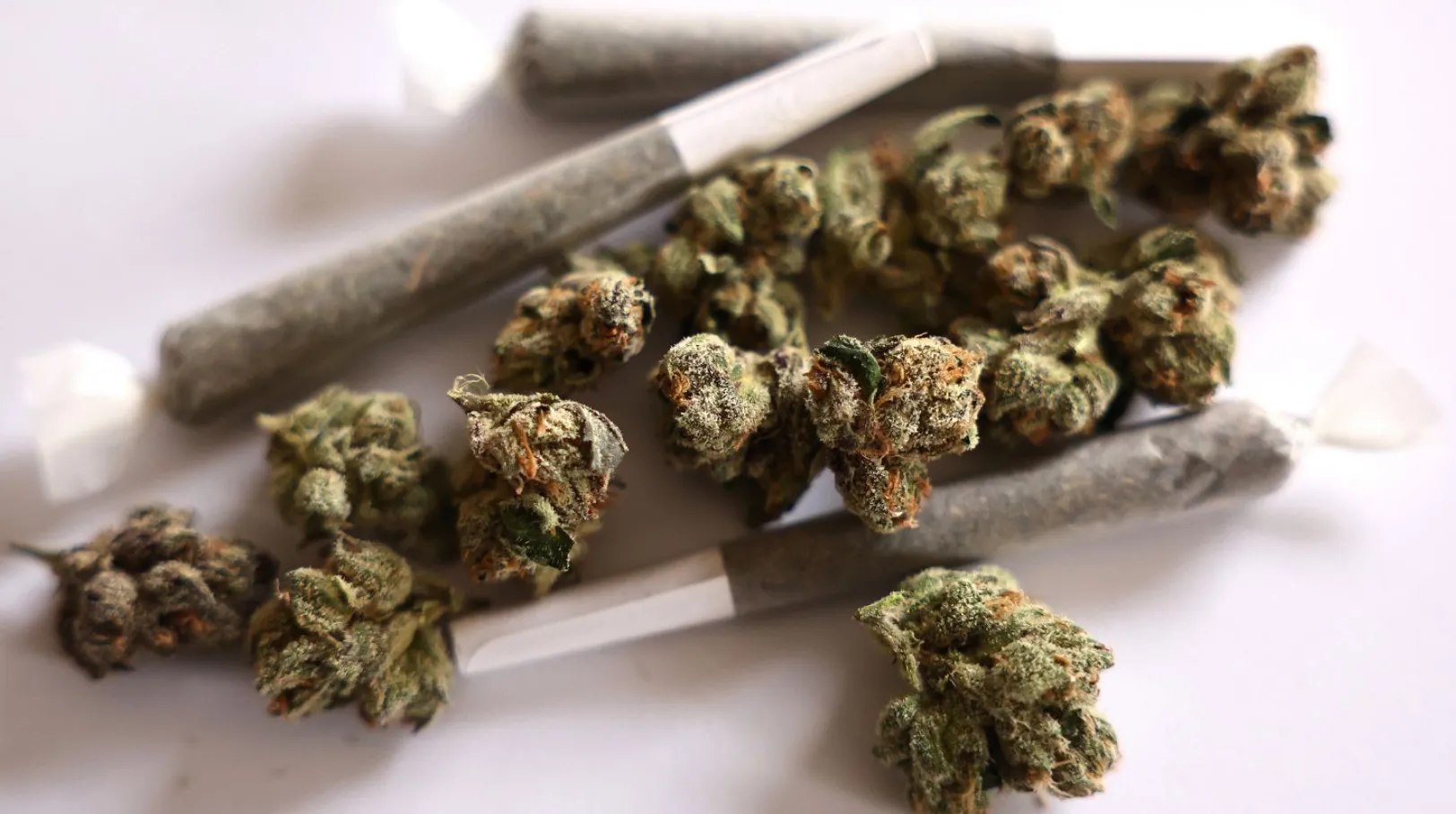
Recreational and medicinal marijuana use has skyrocketed in recent years. While it helps many people for therapeutic reasons, there are times when individuals need to take a pause. In case it’s for a job opening, personal fitness, or just to change the habit, starting on a marijuana detox can be important for achieving mental and physical wellness. For those seeking reliable methods along with professional assistance, check out this marijuana detox program that uses effective THC-cleansing techniques.
Contents
- 1 Why Detox from Marijuana?
- 2 Who is put on a Marijuana Detox?
- 3 Marijuana Detox- A Guide for Beginners
- 4 Safest Ways to Detox from Marijuana
- 5 Advantages of a Professional Detox Program
- 6 Mental Health Issues and Marijuana Detox
- 7 Steps for a Marijuana Detox At Home
- 8 For how long does THC stay in your system?
- 9 Debunking Common Myths
- 10 What Happens After Detox?
- 11 Is Relapse Common?
- 12 Why Goal Setting is Significant
- 13 Assisted Help: When to Seek It
- 14 Final Remarks
- 15 Commonly Asked Questions
Why Detox from Marijuana?
Unlike other drugs, marijuana does not have a severe physical dependency, but having a psychological dependence is tough. One can often face:
- Difficulty in focusing
- Low enthusiasm
- Changes in sleep patterns
- Anxiety or increase in irritability
CHT, the active component in marijuana, builds up in the fat cells in our body over some time. Detoxification methods are not just limited to stopping taking the drug; they also require assistance to help the body get rid of toxins and restore balance.
Who is put on a Marijuana Detox?
People who have previously consumed marijuana over an extended period and have issues with self-termination may find a detox program beneficial. Observe the following markers:
- Any attempts to stop smoking have not worked.
- There are heavy emotional and psychological triggers.
- The cigarette smoking addict experiences some level of withdrawal symptoms when not smoking.
- There is a decline in work, school, or social life activities.
Marijuana Detox- A Guide for Beginners
Marijuana detox is chiefly a psychological and physiological detox at the same time. The following is a possible process outline in a typical detox program
- First symptoms (of 1–2 Days):
- Irritable behavior
- Anger Issues
- Sudden Change In Sleep Pattern
- Sudden Changes In Appetite
- The Crisis (4-6 days):
- Acute Nutritive Desires
- Neurotic Disorders
- Extreme Decrease In Energy Levels
- Heightened Imagery During Sleep (Good or Bad)
- Restabilization period (1-3 weeks):
- Better Concentration
- Return of appetite and sleep
- Fewer Desires to Eat
Safest Ways to Detox from Marijuana
There are various methods to get rid of the undesirable tetrahydrocannabinol (THC) contained in the body. It can be done either through natural means or through a medically supervised program.
1. Through Eating and Drinking
Drinking plenty of water helps boost the functioning of the liver and kidneys. Additionally eating greens, berries and cruciferous vegetables rich in antioxidants aids in system cleansing.
2. Exercise
Exercising regularly can speed the release of stored THC from fat cells due to aerobic THC-burning activities like:
- Jogging
- Biking
- Swimming
- HINT
3. Sauna Therapy
Untested sauna detoxification practices suggest sauna sweating promotes skin detoxification. As with any sauna activity, proper hydration must be maintained to avoid dehydration.
4. Natural Supplements
Supports the body’s natural detoxing processes through:
- Milk thistle (promotes liver function)
- Dandelion root (supports urinary system)
- B-complex (improves energy, elevates mood)
- Magnesium (reduces anxious feelings, aids sleep)
5. Professional Detox Programs
Often the best option is to seek professional guidance. The Opus Health facilities offer medically supervised, nutritionally guided, therapeutically supported marijuana detox programs with relapse prevention built in.
Advantages of a Professional Detox Program
Being enrolled in a professional detox program comes with these benefits:
- Supervised Care: Symptom management under medical support from doctors and nurses.
- Customized Plans: Individualized treatment strategies based on personal medical history and usage patterns.
- Therapeutic Support: Counseling and Psychologists.
- Accountability: Freedom with adherence to set strict schedules.
Mental Health Issues and Marijuana Detox
A full marijuana detox program also considers the mental health components. A lot of people use marijuana to escape from anxiety, depression, and trauma. Without adequate help, detox can amplify these symptoms. Some components of mental health support include:
- Cognitive Behavioral Therapy (CBT)
- Mindfulness and meditation techniques
- Support groups
- Medication (if necessary)
Steps for a Marijuana Detox At Home
If you want to do a home detox, these pointers are especially critical for you:
- Create a protective physical space: Eliminate places or activities that relate to marijuana use.
- Stay active: Physical exercise positively impacts mood, so it’s best to keep moving to lose fat.
- Keep a journal: Writing can help track your progress and identify specific behaviors.
- Find new hobbies: Shifting old habits to productive activities can help fill the gap.
- Lean on others: Speak to friends, become part of support teams, or join online groups.
For how long does THC stay in your system?
THC detection period differs according to frequency of use, metabolic rate, and body fat. Here’s an estimated timeline:
- Occasional users: 3-7 days
- Moderate users: 7-14 days
- Chronic users: Over 30 days
The most common method of testing is through urine tests, although it can also be detected through blood, saliva, and hair, for differing amounts of time.
Debunking Common Myths
- “Drinking vinegar flushes out THC” – This is false. While acidic substances might affect the urine pH, they do not excrete THC at a meaningful level.
- “You can sweat it all out” – It’s partially true. Sweating does aid in the process, but it is not the sole contributor. An all-encompassing method is the most efficient.
- “Detox drinks work instantly” – Most if not all are unreliable and more likely to mask than detoxify THC.
- “Going cold turkey is dangerous” – Unlike alcohol or benzos, going through a marijuana detox is not life-threatening, but uncomfortable without support.
What Happens After Detox?
Detox is the starting line and not the finishing line. Think of the next steps after cleansing.
- **Enroll in outpatient therapy **
- Consider sober living
- Work on long-term relapse forgiveness plans
- Reward yourself
Is Relapse Common?
Yes it is common, and it isn’t a failure. During these initial stages, many tend to relapse. The important part here is being able to not get stuck in these setbacks and keep moving. The risk of these setbacks is greatly reduced with proper support structures and relapse prevention strategies.
Why Goal Setting is Significant
To remain motivated after the detox, clearly defined achievable goals will help immensely. This could include:
- Attaining a new job or a possible new career.
- Improving personal connections.
- Initiating a fitness program.
- Picking up a new skill or hobby.
Assisted Help: When to Seek It
Professional help might be the answer if you have been using marijuana and it is affecting your quality of life and you struggle to quit on your own. Opus Health is one such provider offering detox solutions that are safe, manageable, and successful.
Final Remarks
Quitting is only a part of the detox process. Reclaiming one’s health through mental and physical activity is equally important. With the correct resources available, such as those provided by Opus Health, along with reliable support systems in place, overcoming dependency is possible. Moving towards a purposeful life filled with clarity is achievable. For those wanting to support you on this journey, Opus Health has proven compassionate care through its marijuana detox program.
Commonly Asked Questions
Q: Is it possible to detox from marijuana in one week?
A: Yes, for occasional users, significant progress can be achieved within a week. For chronic users, several weeks may be needed for full detoxification.
Q: Can I trust detox kits sold in stores?
A: The majority have no medical evidence to back them. Natural or medically supervised detoxification is safer and stronger.
Q: Am I going to gain weight throughout the detox?
A: It’s common to have an appetite increase after stopping marijuana use. Eating healthy and exercising will help avoid weight gain.
Q: How do I manage cravings?
A: Cravings can be controlled by using distractions, physical activities, and attending support groups or therapy.
Q: Detoxing on my sounds easier. Is professional help needed?
A: There are people who can do it on their own, but professionally supervised programs tend to be safer, more reliable, and more successful long term.