

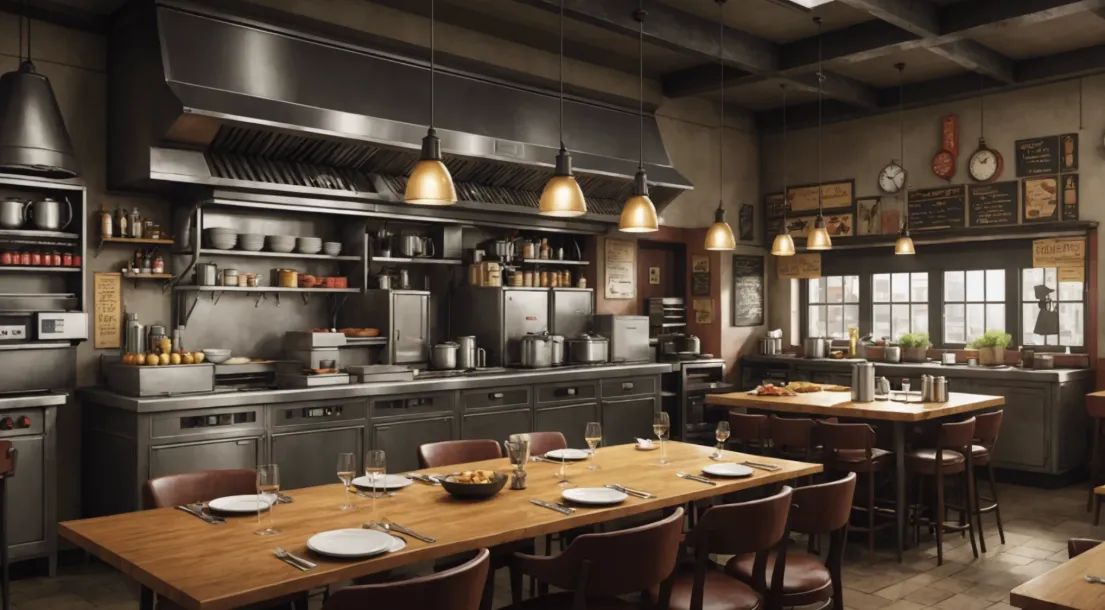
Introduction
The restaurant industry is present process a transformative segment in 2025, pushed through technological improvements, evolving purchaser alternatives, and a heightened consciousness on sustainability. For restaurateurs and culinary experts, staying abreast of these modifications is vital. This complete guide delves into the modern-day eating place industry trends, explores innovations in eating place device, and highlights advancements in commercial kitchen equipment which might be shaping the destiny of eating.
Embracing the Future: Restaurant Industry Trends
The Rise of Takeout and Delivery
In 2025, takeout and delivery have end up essential additives of the dining revel in. Approximately 75% of eating place site visitors now stems from takeout orders, with pace and comfort being paramount for customers. This shift is specifically obtrusive among younger demographics, with sixty seven% of Gen Z considering takeout essential.
Value-Driven Dining
Economic considerations are influencing eating choices, with a huge emphasis on cost. Promotions including “purchase one, get one” deals and loyalty programs are swaying shopping decisions for over 60% of diners. Approximately 80% of clients frequently make use of cost-focused offers, highlighting the significance of cost-powerful alternatives.
Technological Integration
Technology is reshaping eating place operations. AI-powered assistants are gaining traction, with half of of Gen Z and Millennials expressing willingness to apply them for ordering. This virtual shift, improved by the COVID-19 pandemic, is redefining the dining landscape.
Innovating the Kitchen: Restaurant Equipment Trends
Smart Kitchen Systems
Restaurants are adopting smart kitchen structures to enhance efficiency. For instance, Wingstop’s new Smart Kitchen leverages AI to expect demand, lowering common achievement time from 20 mins to 10 minutes. This technology not most effective improves consumer satisfaction but also streamlines operations.
Energy Efficiency and Sustainability
Energy-green appliances are getting preferred in business kitchens. From ENERGY STAR®-rated refrigeration units to induction cooktops, these appliances minimize electricity usage while preserving performance. This shift not simplest reduces operating fees but additionally aligns with environmental sustainability dreams.
Modular and Flexible Equipment
Modern kitchens demand versatility. Modular equipment, consisting of aggregate ovens and multi-useful prep stations, lets in for easy reconfiguration, allowing kitchens to evolve to converting menus or provider patterns. This flexibility is crucial for restaurants juggling dine-in, takeout, and catering services.
Advancements in Commercial Kitchen Equipment
Integration of IoT and AI
The Internet of Things (IoT) and Artificial Intelligence (AI) are revolutionizing business kitchen operations. Smart equipment can reveal internal conditions in actual-time, ship preservation signals, or even are expecting capability troubles, decreasing downtime and increasing equipment lifespan.
Compact and Space-Saving Designs
With extra eating places operating in smaller footprints, compact and space-saving equipment is in excessive call for. Stackable refrigeration units and slim-profile ovens maximize performance with out sacrificing capability, making them best for kitchens wherein each square foot counts.
Enhanced Food Safety Features
Maintaining strict meals protection requirements is non-negotiable. The latest system innovations encompass self-cleaning generation, antimicrobial surfaces, and automatic temperature controls, making sure kitchens perform properly and successfully.
Conclusion
The eating place industry in 2025 is characterised by using speedy innovation and version. Embracing restaurant enterprise trends, making an investment in superior restaurant equipment, and upgrading business kitchen gadget are critical steps for businesses aiming to thrive on this dynamic surroundings. By specializing in era integration, sustainability, and operational efficiency, eating places can meet evolving consumer demands and secure long-term achievement.
Frequently Asked Questions
Q: What are the key eating place industry tendencies in 2025?
A: Key tendencies encompass the rise of takeout and delivery, fee-driven dining alternatives, and increased technological integration in restaurant operations.
Food & Wine
Q: How is smart kitchen generation reworking restaurant equipment?
A: Smart kitchen era makes use of AI and IoT to enhance performance, expect call for, and streamline operations, main to quicker service and progressed patron pride.
Q: Why is electricity efficiency vital in commercial kitchen system?
A: Energy-efficient equipment reduces operating charges, minimizes environmental impact, and aligns with sustainability dreams, making it a essential investment for cutting-edge kitchens.
Q: What blessings do modular kitchen designs offer?
A: Modular designs provide flexibility, allowing kitchens to adapt to converting menus and carrier patterns, which is essential for restaurants presenting numerous dining options.
Q: How does technology enhance meals protection in business kitchens?
A: Advanced device capabilities like self-cleansing generation, antimicrobial surfaces, and automated temperature controls ensure compliance with meals protection standards and efficient kitchen operations.