

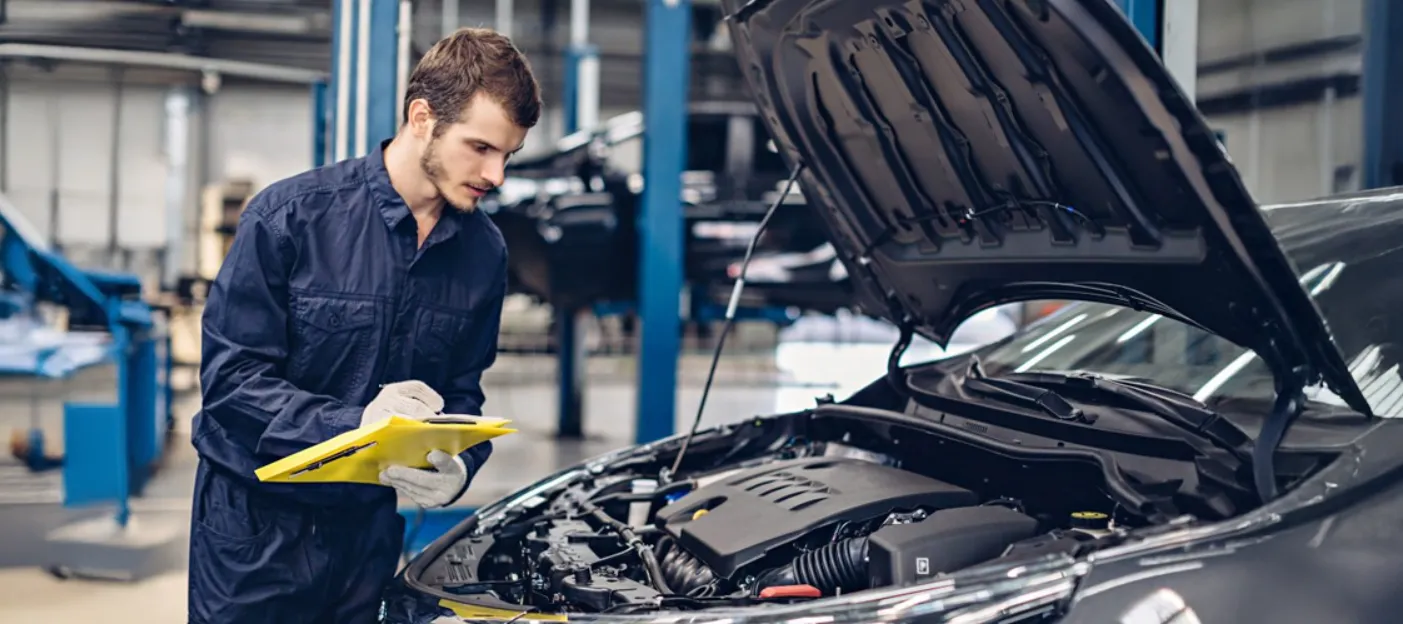
When maintaining a vehicle, the transmission system is one of the most critical components, and it often goes unnoticed until problems become severe. The transmission controls the power transfer from the engine to the wheels, allowing your car to shift gears smoothly. Ignoring early signs of transmission trouble can lead to costly repairs and even complete failure, leaving you stranded and frustrated. We will explore the key indicators that signal your car’s transmission requires immediate attention. Recognizing these signs early can save you from extensive damage and help maintain your vehicle’s performance and safety.
Key Signs Indicating Immediate Transmission Repair Is Needed
- Unusual Noises While Driving or Shifting Gears
A telltale sign that your transmission may be failing is the presence of strange noises. These can include whining, clunking, or humming sounds when the vehicle is in gear or when you shift. The transmission relies on fluid to lubricate its parts and ensure smooth operation. When fluid levels drop or become contaminated, the internal components may start to grind or produce unusual noises. Additionally, worn gears or bearings inside the transmission can generate metallic sounds. These noises should never be ignored as they often indicate internal damage that requires prompt inspection and repair. Visiting a reliable auto repair shop in Richmond can help address these issues early. Ignoring these sounds could lead to total transmission failure, which is far more expensive and inconvenient.
- Delayed or Slipping Gears
If you notice a delay between shifting gears or if your car seems to slip out of gear unexpectedly, these are serious symptoms of transmission issues. Delayed shifting means your vehicle hesitates before moving to the next gear, which can cause jerking or sudden changes in acceleration. Slipping occurs when the transmission shifts gears without input from you or when the engine revs increase but the vehicle does not accelerate accordingly. Both problems point to worn or damaged transmission components or low transmission fluid levels. Slipping can be particularly dangerous, especially when merging into traffic or driving uphill, as it reduces your control over the car’s power delivery.
- Burning Smell
A burning odor that smells like burnt toast or overheated electrical components may indicate transmission trouble. This smell often arises from overheated transmission fluid, which can happen if the fluid is old, contaminated, or insufficient. When transmission fluid breaks down, it loses its ability to lubricate and cool the moving parts inside the transmission. Overheating can cause severe damage to the transmission’s internal parts, such as clutches and bands, accelerate wear, and lead to malfunction. If you detect a persistent burning smell while driving or after a long trip, it’s important to have your transmission checked immediately before further damage occurs.
- Transmission Fluid Leaks
Transmission fluid is usually bright red or pink, but can turn dark brown or black when it becomes old and dirty. Leaks are a common issue that should never be overlooked. This is a clear warning sign if you notice red puddles under your car after it has been parked. Leaking transmission fluid reduces the lubrication and cooling needed for the transmission to function properly. Low fluid levels can cause shifting problems, overheating, and transmission failure. Fluid leaks often stem from damaged seals, gaskets, or transmission lines and require prompt attention to prevent more severe issues. Regularly checking underneath your car and monitoring fluid levels can help catch leaks early.
- Check Engine or Transmission Warning Light
Modern vehicles have sensors that monitor various systems, including the transmission. If your dashboard warning light for the engine or transmission illuminates, the onboard computer has detected a problem. While ignoring or delaying a visit to the mechanic might be tempting, these warning lights are designed to alert you before a minor issue turns into a major one. Diagnostic codes retrieved from a scanner can pinpoint transmission problems ranging from sensor malfunctions to mechanical failures. Prompt diagnosis and repair based on these warnings can prevent further damage and reduce repair costs.
- Grinding or Shaking Sensations
When shifting gears, your car should transition smoothly without any vibrations or grinding sensations. If you experience shaking or grinding while changing gears, it is a sign of trouble within the transmission. Worn-out gears, damaged synchronizers, or other failing components inside the transmission system can cause this. Grinding is especially common in manual transmissions but can also occur in automatic ones due to internal wear. These sensations indicate that the transmission struggles to engage gears properly and may fail if not repaired. Driving under these conditions can worsen the damage and increase repair expenses.
- Poor Acceleration or Loss of Power
The transmission’s job is to efficiently transferring the engine’s power to the wheels. If your car struggles to accelerate or feels sluggish despite pressing the gas pedal, transmission problems might be the culprit. Issues such as slipping gears, worn clutches, or torque converter failures can reduce the power delivered to the wheels. This can make it difficult to maintain highway speeds or accelerate onto ramps safely. Loss of power related to transmission faults not only affects your driving experience but can also compromise safety on the road. Inspecting your transmission when you notice decreased acceleration can prevent further damage and costly breakdowns.
Understanding the signs that your car needs immediate transmission repair is essential for protecting your vehicle’s functionality and your safety on the road. From unusual noises and delayed shifting to fluid leaks and warning lights, each symptom signals a need for prompt evaluation and care. Addressing transmission problems early can save you from extensive damage and costly repairs, ensuring your car remains reliable and efficient. Paying attention to these warning signs and seeking timely repairs helps maintain the smooth operation of your vehicle and prolongs the life of one of its most crucial systems.