

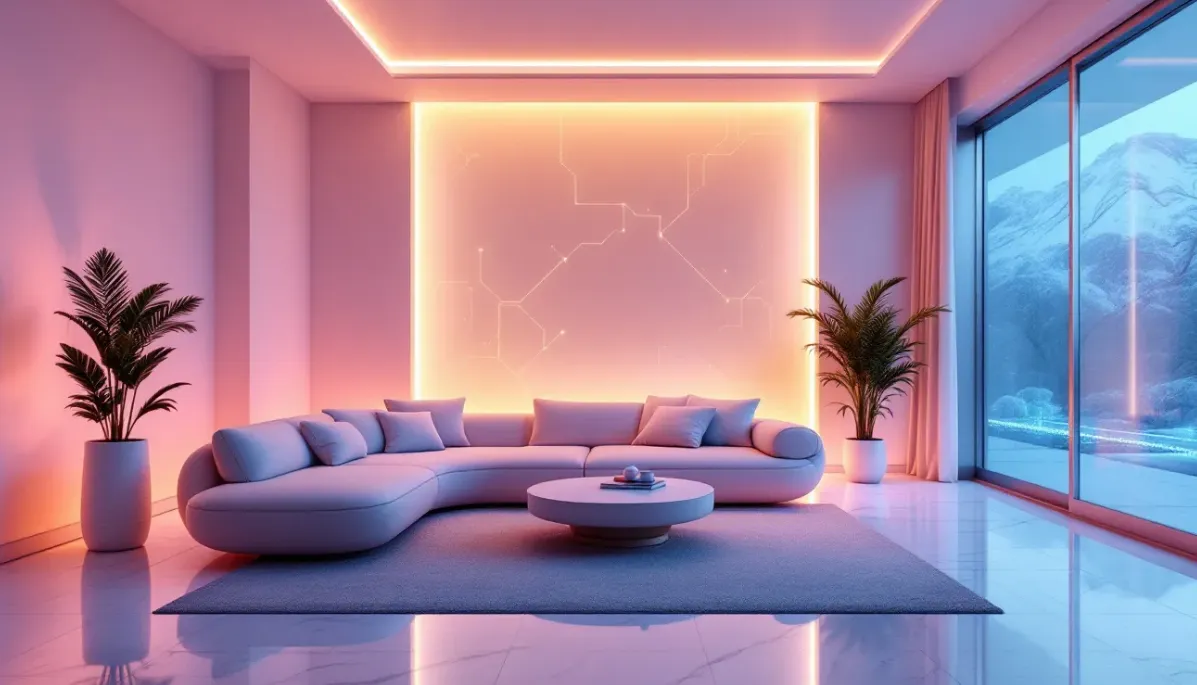
Lighting plays a major role in how we experience and use spaces. Modern lighting is not only about visibility but also about atmosphere, design, and energy efficiency. Today, people expect their lighting systems to be versatile, sustainable, and easy to manage. The rapid development of LED technology has made this possible, providing solutions that fit both style and performance needs.
Modern homes, offices, and public areas rely on advanced lighting systems that adapt to different environments. Whether it’s highlighting architectural details or creating a comfortable workspace, lighting has become an important design tool. As energy costs rise, people look for solutions that use less power without compromising brightness or color quality. This balance between performance and sustainability is shaping the future of lighting.
The Shift Toward Smarter Lighting Solutions
Traditional lighting once focused only on illumination. Now, it’s about how efficiently a system can operate and how well it fits into modern architecture. Smart lighting combines technology, flexibility, and control. It allows users to set brightness levels, colors, and patterns according to their needs. The result is a space that looks and feels right while using less energy.
Businesses also benefit from smart lighting. Offices use LED systems to create more productive environments. Retail spaces use them to highlight products and guide customers. Homes use them to create relaxing or lively atmospheres. This shows how lighting design now supports both visual comfort and energy management.
Design Versatility with Flexible LED Strips
Flexible LED Strips have changed how designers approach interior and exterior lighting. These strips can bend, curve, and fit into tight spaces, allowing unlimited creativity in installation. They are used in cabinets, ceilings, displays, and even outdoor structures. Because of their flexibility, they can shape light exactly where it’s needed.
Unlike traditional fixtures, LED strips deliver consistent brightness while consuming minimal energy. They are available in different colors, making them ideal for both decorative and functional use. Their slim structure allows easy placement without affecting the design of a space. In commercial settings, they enhance visual appeal, while in homes, they create soft ambient effects that improve comfort and aesthetics.
One of the main advantages of flexible LED strips is their ability to integrate into modern smart systems. They can be dimmed, controlled remotely, and synchronized with other devices. This makes them ideal for creating efficient, adaptive environments. These features have made LED strips an essential part of contemporary lighting projects.
Reliable Power for Consistent Performance
Every lighting system depends on stable power to perform well. The LED Power Supply plays a vital role in maintaining consistent brightness and extending the lifespan of LED products. It converts electrical current into the proper voltage required for LED lights to function safely. Without a proper power supply, even high-quality LEDs can flicker, overheat, or fail prematurely.
LED power supplies are designed to ensure smooth and steady performance across various lighting setups. They help regulate output and protect against voltage fluctuations. This protection not only extends product life but also improves overall energy efficiency. In large-scale installations such as offices or outdoor displays, choosing the right power supply is crucial for reliability.
A well-matched power system ensures that LED lights operate at their best, maintaining steady light quality and color consistency. It also minimizes energy waste, reducing long-term operating costs. As technology advances, more efficient and compact power supply options are now available for both residential and industrial applications.
Combining Flexibility and Reliability in Lighting Systems
A truly efficient lighting setup requires both adaptable light sources and stable power management. When flexible LED strips are paired with a reliable power supply, the result is an efficient and durable lighting system. This combination allows designers and homeowners to create lighting that is not only visually appealing but also energy-conscious.
In practical terms, this pairing reduces maintenance, improves light quality, and supports long-term performance. For instance, architectural lighting projects benefit from systems that maintain uniform brightness over time. In retail environments, stable power ensures consistent lighting that enhances product display. Home users enjoy smooth dimming, accurate color, and reliable operation.
By focusing on compatibility between lighting and power, users can avoid common problems such as flickering or overheating. This helps achieve both comfort and efficiency in every environment.
Future of Lighting: Smarter and More Efficient
The lighting industry continues to move toward smarter and more sustainable solutions. New technologies are improving LED performance, lifespan, and control systems. Integrated sensors and automation now allow lights to respond to natural daylight, motion, and occupancy. This improves energy efficiency and reduces waste.
Future lighting systems will be designed to connect seamlessly with smart home networks. This means users can manage light intensity, timing, and color through mobile devices or voice control. For businesses, automated systems will adjust lighting based on real-time data, reducing costs and improving work conditions.
As awareness of energy use grows, more people will adopt LED-based systems for both environmental and economic reasons. The combination of flexible design and reliable power will remain essential in this progress. Efficient lighting not only saves electricity but also enhances comfort and productivity.
Conclusion
Smart lighting systems are transforming how we illuminate our surroundings. With solutions like flexible LED strips and dependable LED power supplies, it’s now possible to achieve lighting that meets both aesthetic and practical goals. As innovation continues, lighting will become even more adaptive, sustainable, and efficient, setting a new standard for modern spaces.