

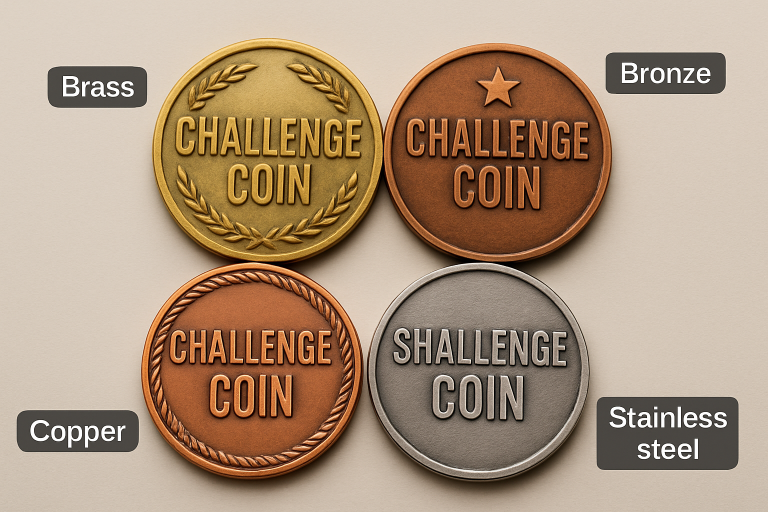
Custom challenge coins symbolize camaraderie, achievement, and tradition. Their lasting value depends mainly on the quality of the materials used in their creation. The integrity of the coin must align with its symbolic meaning, making the material choice a vital consideration in the design process. For anyone planning to mint custom coins, understanding how material options affect longevity and aesthetics is key. That’s why working with reliable providers such as https://challengecoincountry.com/ is an important step in commissioning challenge coins that will stand the test of time.
From military and first responder awards to corporate tokens of appreciation, challenge coins are meant to be handled and treasured. Every touch, display, and exchange exposes coins to potential wear and tear, so choosing the right base metal or alloy helps preserve both their meaning and appearance for years. Material selection affects not only the appearance but also the weight and tactile experience of each coin, shaping its overall sense of quality and significance.
The best coin materials are chosen for their combination of strength, resistance to tarnish, and the ability to preserve fine design details. Some materials, like brass and bronze, are traditional favorites for their elegance and resilience. Others, such as zinc alloys and stainless steel, offer modern styles and practical advantages. Exploring the full range of available materials ensures a perfect match between a coin’s intent and its enduring physical presence. The process of selecting a challenge coin material often starts with determining how the coin will be used and displayed. For ceremonial coins or items expected to circulate frequently, durability and corrosion resistance become even more critical.
Contents
Brass: The Classic Choice
Brass is an alloy created from copper and zinc, offering both durability and a timeless finish. Its distinct golden shade lends an air of tradition and prestige, making brass a popular choice for organizations seeking a traditional or military look. This alloy is particularly valued for its resistance to corrosion, ensuring the coin’s details remain intact even after repeated handling. Because brass is also relatively soft, it’s ideal for capturing intricate engraving.
Zinc Alloy: Versatility and Affordability
Zinc alloys offer flexibility for designs that feature unusual shapes or three-dimensional elements. Lightweight but sturdy, zinc alloy coins are a more affordable alternative to precious metals without sacrificing design complexity or structural integrity. This material can accommodate a variety of finishes, from shining silver to deep matte antique, giving designers more creative freedom.
Copper: Rich Aesthetics and Historical Appeal
Copper coins are celebrated for their vibrant reddish color, which naturally develops a beautiful patina over time. Historically, copper has been used in numerous currencies and commemorative medals, valued for its warm tone and ability to hold intricate designs. While softer than other options and susceptible to surface changes, copper still appeals to projects aimed at commemorating heritage and lasting significance.
Nickel: Modern and Sleek
Nickel is distinguished by its bright silvery finish and excellent hardness, making it ideal for coins with a contemporary aesthetic. It is highly resistant to tarnishing and corrosion, ensuring coins retain their luster regardless of the environment. Nickel’s durability allows it to withstand heavy use, which is why it’s often used in both modern industry and high-usage recognition coins. For those interested in the technical aspects and broader applicability of nickel in coinage, resources like Britannica’s entry on nickel are an excellent source. Moreover, nickel’s hypoallergenic nature makes it safe for most users, and its adaptability in minting and plating techniques allows for highly detailed, durable coin designs.
Bronze: Strength and Prestige
A blend of copper and tin, bronze presents a rich golden-brown sheen and offers excellent physical strength. Traditionally used for medals and military insignias, bronze coins evoke a sense of honor and permanence. Their robust construction resists everyday wear, making them the preferred option for coins meant to be treasured for generations.
Stainless Steel: Durability and Modern Appeal
Stainless steel coins are almost unmatched in durability, resisting scratches and tarnish, and holding up well under all kinds of conditions. The cool, modern feel and added weight of stainless steel give these coins a sense of gravity and substance, making them perfect for tokens that will see extensive use or need to convey a contemporary style.
Eco-Friendly Materials: Sustainable Options
Environmental responsibility is increasingly on the minds of both manufacturers and recipients of challenge coins. Recycled metals such as aluminum, copper, and brass are often chosen for projects with sustainability goals. Additionally, biodegradable options like wood or bamboo are gaining ground, offering visually distinct coins that minimize ecological impact. These sustainable choices are especially important for organizations looking to combine recognition and environmental advocacy.
Choosing the Right Material
When deciding which material best suits your custom challenge coin project, weigh factors such as intended use, budget, aesthetic preferences, and symbolic importance. High-traffic coins will benefit from robust metals like stainless steel, brass, or bronze, while eco-conscious organizations might prioritize recycled metals or renewable materials. Consulting with experienced manufacturers enables you to balance practical concerns with creative aspirations, resulting in coins that honor achievement and withstand the passage of time.
Material selection is central to every challenge coin’s story—from its tactile feel to the way it ages and endures. By exploring the characteristics of each metal and alloy, you ensure your coin becomes not just a token but a genuine legacy, carrying its message forward for years to come.