

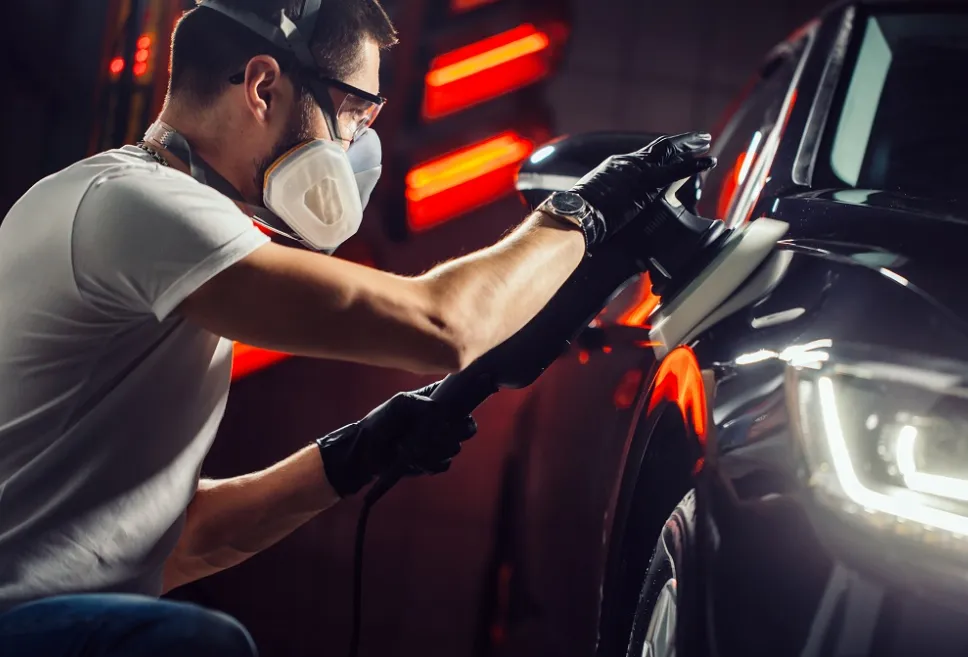
Auto detailing is often associated with polishing paint and enhancing a car’s outward appearance, but the interior deserves just as much attention. Most owners spend their time inside of a vehicle, making comfort, cleanliness, and preservation critical. Interior detailing goes far beyond a quick vacuum and wipe-down—it addresses the buildup of dirt, oils, and bacteria while helping materials like leather, vinyl, fabric, and plastic resist wear over time. A detailed interior improves the driving experience and protects the vehicle’s resale value. It is a practical investment supporting aesthetics and functionality in daily use.
What happens inside affects long-term vehicle quality?
- Wear and Tear from Everyday Use
The vehicle’s cabin undergoes daily stress, from spilled drinks and tracked-in dirt to body oils and sun exposure. Over time, these elements degrade surfaces, causing discoloration, odors, and cracking. Seats, especially leather or faux-leather materials, become dry and brittle without regular conditioning. Fabric absorbs dust and allergens, and center consoles collect grime from constant contact. Door panels, dashboards, and steering wheels fade or warp under UV exposure if unprotected. These issues compound quietly and may not be noticeable until the damage becomes difficult to reverse. In warm, humid climates like Kapolei, the combination of high temperatures and moisture accelerates interior degradation, particularly for vehicles that spend long hours parked outside. Regular detailing not only maintains appearance but also helps preserve structural integrity, ensuring buttons, knobs, fabrics, and surfaces function and look as they should. Preventative care of the interior makes long-term upkeep easier and more cost-effective.
- Improving Air Quality and Hygiene Inside the Vehicle
Interior detailing does more than clean surfaces—it significantly enhances air quality and hygiene. Dust, pollen, food particles, and pet dander can accumulate in vents, carpets, and hard-to-reach crevices, contributing to unpleasant odors and triggering allergies. Moisture from spills or wet shoes can foster mold growth, particularly in floor mats and upholstery, if left unattended. Detailers use specialized tools like steam cleaners, ozone generators, and high-powered vacuums to extract contaminants deep within the cabin. Surfaces are sanitized, reducing the presence of bacteria and germs. Air vents are treated to remove mold spores and restore fresh airflow. Odor elimination methods neutralize smells instead of masking them. This level of cleaning improves comfort and promotes better respiratory health for passengers, especially during long commutes or road trips. Maintaining a clean and sanitized interior makes every journey more pleasant and safe for families, pet owners, or rideshare drivers.
- Preserving Material Condition Through Proper Treatments
Every interior surface requires specific care to stay in good condition. Leather seats benefit from conditioners that keep them supple and prevent cracking. Fabric upholstery is often treated with fabric guard products that repel spills and stains. Vinyl and plastic panels need UV protection to avoid becoming brittle or faded over time. Interior detailing involves selecting the right products for each material and correctly applying them. A diluted cleaner might be safe for one surface but damaging to another, which makes attention to product selection critical. Regular detailing routines ensure that protective layers stay intact and materials don’t unnecessarily dry out or absorb dirt. Conditioners and protectants aren’t just about aesthetics—they create a barrier against daily friction and environmental stress. The longevity of a car’s interior depends heavily on how frequently these treatments are refreshed. Proper care reduces the need for costly repairs or reupholstery later in the vehicle’s life.
- Enhancing the Driving Experience with a Clean Cabin
A well-detailed interior doesn’t just appeal to the eye—it changes how the driver and passengers feel inside the vehicle. A clean, fresh-smelling cabin contributes to a calmer, more enjoyable ride. Fingerprints on the infotainment screen, crumbs in the cupholders, or smudges on windows can create subconscious discomfort, even if minor. On the other hand, spotless surfaces and well-maintained materials signal order and pride in ownership. Interior detailing helps restore the vehicle to its showroom feel, reinforcing a sense of value and care. Drivers tend to be more mindful of their surroundings when the space is clean, often leading to better habits and reduced mess going forward. For those who spend significant time in their vehicles—whether commuting, traveling for work, or shuttling family—interior detailing contributes to both mental clarity and overall satisfaction. A tidy environment makes every drive more rewarding and purposeful, regardless of destination.
- Resale Value and First Impressions Matter
When the time comes to sell or trade in a vehicle, the interior condition significantly influences how it’s perceived. Even if the engine is in excellent shape, a stained or worn cabin can give the impression that the car has been neglected. Buyers assess the interior as a reflection of overall maintenance. Vehicles regularly detailed inside are more likely to retain their value and command higher prices. Dealerships often look favorably on well-kept interiors during appraisals, and private buyers are drawn to clean, odor-free, and inviting cabins. Small details—like well-maintained floor mats, conditioned leather, or freshly vacuumed carpets—can tip the scale in negotiations. Detailing isn’t just a final cleanup before listing a car; it’s an ongoing effort that preserves desirability and demonstrates pride in ownership. Keeping the interior in prime condition supports a stronger resale outcome and reflects a thoughtful, responsible approach to vehicle care.
Interior detailing plays a crucial role in maintaining a vehicle’s overall health, comfort, and value. From protecting materials and improving air quality to elevating the driving experience and boosting resale appeal, the impact of a clean cabin goes far beyond surface-level beauty. Regular detailing helps prevent damage, reduces allergens, and creates a welcoming atmosphere for every ride. While often overshadowed by exterior treatments, interior care is equally essential and deserves consistent attention. Treating the inside of your vehicle with the same respect as the outside ensures a more enjoyable, healthier, and longer-lasting relationship with your car.